Dehydrated Common House Spider (Araneae)
Biological Specimen

Dehydrated Common House Spider (Araneae)

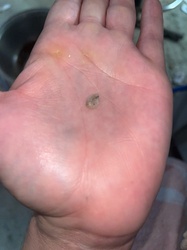
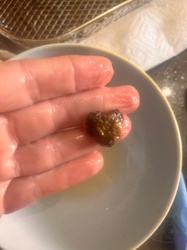
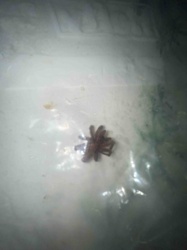
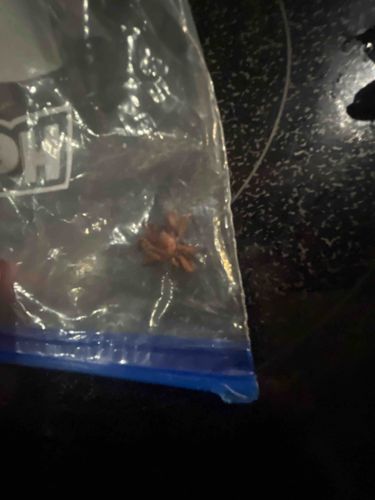
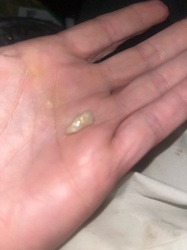
This item is a biological specimen of a common house spider, currently contained within a clear polyethylene plastic storage bag with a blue seal. The arachnid specimen appears to be in a significantly dehydrated or desiccated state, characterized by its curled legs, which is a common post-mortem posture for spiders due to the loss of hydraulic pressure in their limbs. The specimen is predominantly a reddish-brown or amber color, measuring approximately 1 to 2 centimeters in diameter including the leg span. The exoskeleton shows signs of brittleness typical of air-dried specimens found in household environments. There are no visible markings or tags to indicate scientific preservation or collection data, suggesting this is a casual find rather than a curated educational specimen. The body displays a distinct cephalothorax and abdomen, though fine details like spinnerets or specific eye arrangements are difficult to discern through the plastic packaging. The condition of the specimen is fragile, with a high risk of fragmentation if handled directly. The surrounding plastic bag shows significant wrinkling and light reflection, indicating it is a standard household-grade storage item rather than museum-quality archival material.
Estimated Value

$0.00 - $0.05

Basic Information

Category

Biological Specimen

Appraised On

March 23, 2026

Estimated Value

$0.00 - $0.05

Item Description

This item is a biological specimen of a common house spider, currently contained within a clear polyethylene plastic storage bag with a blue seal. The arachnid specimen appears to be in a significantly dehydrated or desiccated state, characterized by its curled legs, which is a common post-mortem posture for spiders due to the loss of hydraulic pressure in their limbs. The specimen is predominantly a reddish-brown or amber color, measuring approximately 1 to 2 centimeters in diameter including the leg span. The exoskeleton shows signs of brittleness typical of air-dried specimens found in household environments. There are no visible markings or tags to indicate scientific preservation or collection data, suggesting this is a casual find rather than a curated educational specimen. The body displays a distinct cephalothorax and abdomen, though fine details like spinnerets or specific eye arrangements are difficult to discern through the plastic packaging. The condition of the specimen is fragile, with a high risk of fragmentation if handled directly. The surrounding plastic bag shows significant wrinkling and light reflection, indicating it is a standard household-grade storage item rather than museum-quality archival material.
Get Your Items Appraised

Instant estimates of your treasures with AI-powered instant appraisals

Browse More Appraisals