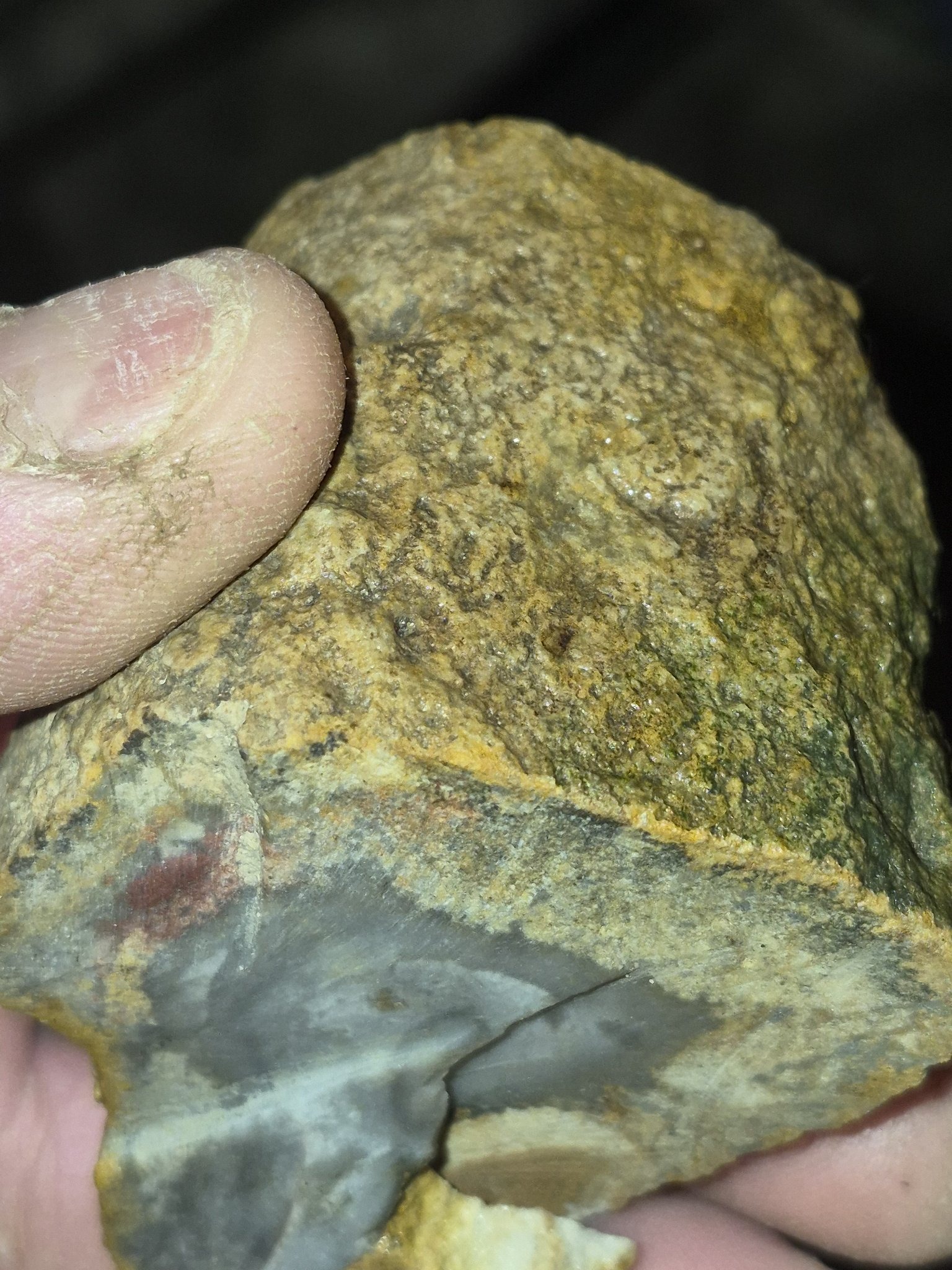
Unworked Chert or Flint Nodule with Cortex
Geological Specimens / Raw Lithic Material

Unworked Chert or Flint Nodule with Cortex

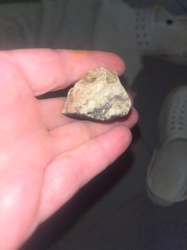
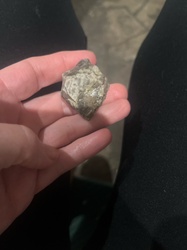
This is a raw geological specimen consisting of a silicate-based rock, likely chert or flint, held in a human hand for scale. The item features a prominent outer layer known as a 'cortex,' which has a rough, pitted, and granular texture with an earthy mustard-yellow to ochre coloration. This weathered exterior suggests prolonged exposure to environmental minerals or sediment. A fresh fracture on the lower portion reveals the interior lithic material, which is a cryptocrystalline variety of quartz. The interior displays a waxy luster and a smooth, conchoidal fracture pattern, signifying its fine-grained composition and making it suitable for flintknapping. The internal colors transition from a dark smoke-grey to a lighter, translucent bluish-grey, with a notable reddish hematite or iron-oxide inclusion near the edge. There are no signs of intentional human modification such as pressure flaking or grinding, indicating this is a natural raw material rather than a finished artifact. The specimen appears solid with no deep structural cracks, though surface abrasions and minor chips are present from natural weathering processes. Its age is geological, likely dating back millions of years depending on the specific sedimentary formation of origin.

Estimated Value

$15-35

Basic Information

Category

Geological Specimens / Raw Lithic Material

Appraised On

May 11, 2026

Estimated Value

$15-35

Item Description

This is a raw geological specimen consisting of a silicate-based rock, likely chert or flint, held in a human hand for scale. The item features a prominent outer layer known as a 'cortex,' which has a rough, pitted, and granular texture with an earthy mustard-yellow to ochre coloration. This weathered exterior suggests prolonged exposure to environmental minerals or sediment. A fresh fracture on the lower portion reveals the interior lithic material, which is a cryptocrystalline variety of quartz. The interior displays a waxy luster and a smooth, conchoidal fracture pattern, signifying its fine-grained composition and making it suitable for flintknapping. The internal colors transition from a dark smoke-grey to a lighter, translucent bluish-grey, with a notable reddish hematite or iron-oxide inclusion near the edge. There are no signs of intentional human modification such as pressure flaking or grinding, indicating this is a natural raw material rather than a finished artifact. The specimen appears solid with no deep structural cracks, though surface abrasions and minor chips are present from natural weathering processes. Its age is geological, likely dating back millions of years depending on the specific sedimentary formation of origin.

Get Your Items Appraised

Instant estimates of your treasures with AI-powered instant appraisals

Browse More Appraisals