Tibetan 5 Sho Copper Coin
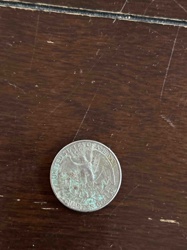
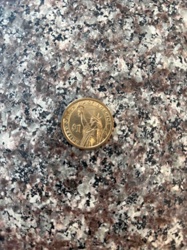
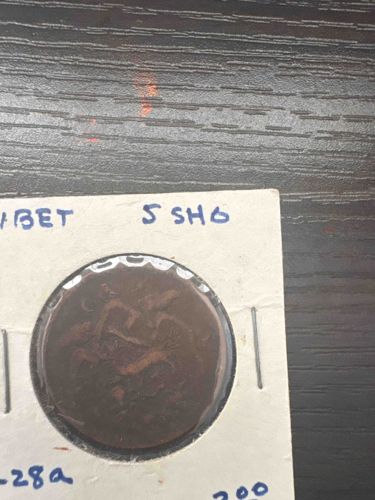
This is a Tibetan copper coin, specifically a 5 Sho denomination, housed in a standard white cardboard and plastic mylar numismatic flip. The coin is circular and features a distinct brownish-red patina typical of aged copper. Based on the visible iconography, it features a Snow Lion on the obverse, a national symbol of Tibet, facing left with some stylized mountain peaks or clouds in the background. The flip is hand-annotated in blue ink with 'TIBET', '5 SHO', and a reference number '-28a', likely referring to its catalog number in the Standard Catalog of World Coins (KM# Y28a). These coins were typically minted between the years 1947 and 1953 (Tibetan Era 16-21 to 16-27) at the Dode Mint. The coin shows signs of significant wear and circulation; the central lion motif is softened, and the higher relief areas have flattened. There appears to be some surface grime or dark oxidation spots, particularly around the edges and within the recessed areas of the design. The craftsmanship reflects the machine-struck techniques of the mid-20th century Tibetan government mints, though the lack of luster indicates a long period of handling or exposure.
AI-Generated Appraisal Disclaimer
Estimated Value
$15.00 - $25.00
Basic Information
Category
Numismatics / Currency
Appraised On
January 13, 2026
Estimated Value
$15.00 - $25.00
Item Description
This is a Tibetan copper coin, specifically a 5 Sho denomination, housed in a standard white cardboard and plastic mylar numismatic flip. The coin is circular and features a distinct brownish-red patina typical of aged copper. Based on the visible iconography, it features a Snow Lion on the obverse, a national symbol of Tibet, facing left with some stylized mountain peaks or clouds in the background. The flip is hand-annotated in blue ink with 'TIBET', '5 SHO', and a reference number '-28a', likely referring to its catalog number in the Standard Catalog of World Coins (KM# Y28a). These coins were typically minted between the years 1947 and 1953 (Tibetan Era 16-21 to 16-27) at the Dode Mint. The coin shows signs of significant wear and circulation; the central lion motif is softened, and the higher relief areas have flattened. There appears to be some surface grime or dark oxidation spots, particularly around the edges and within the recessed areas of the design. The craftsmanship reflects the machine-struck techniques of the mid-20th century Tibetan government mints, though the lack of luster indicates a long period of handling or exposure.
Related Tags
Get Your Items Appraised
Instant estimates of your treasures with AI-powered instant appraisals