AI Appraisal Estimate

AI-generated estimates · not official valuations

From the user

What was submitted

Photo and notes provided by the user — not generated by AI

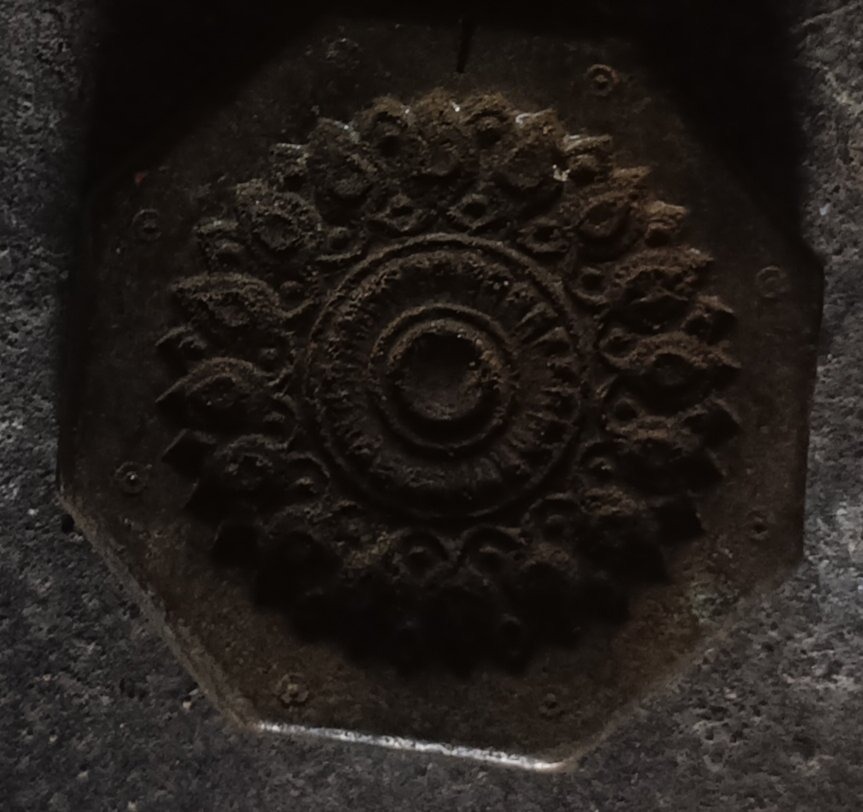
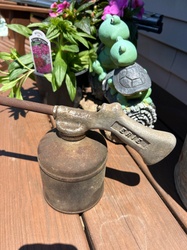
Submitted item photo
Submitted photo · June 30, 2026

User's notes

Category: Collectible this is 250 year old brass made jewellery making a coin size die it's current price

AI analysis below

AI appraisal

AI analysis & estimate

AI-Generated · Verify before acting

Everything below is generated by AI for informational purposes only. AI can make mistakes — the AI may misidentify items or misattribute them (artist, maker, brand, designer, origin, era). This is not an official valuation and should not be used for insurance, sale, tax, estate, legal, or lending purposes — or any decision requiring a certified appraisal. It is not an authoritative claim about any person, brand, or rights holder — do not share or rely on it as a factual statement about a third party. Always consult qualified professionals before making financial decisions.

Note

This analysis also relies on unverified notes provided by the user, which may be incomplete or inaccurate and could affect the result.

Read the full disclaimer

AI Identification

·Not independently authenticated·Verify before acting

Antique Brass Jewelry Coin Impression Die

Collectible / Industrial Antiques

AI Estimated Value

·Not an official valuation·Verify before acting

$450 - $650

As of June 30, 2026

AI Item Analysis

·AI can make mistakes·Verify before acting
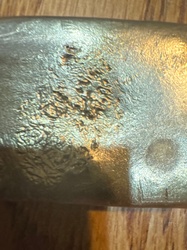
This is an antique brass jewelry stamping die, approximately coin-sized, estimated to be from the mid-18th century (circa 1770s). The die features an octagonal perimeter harboring a complex, multi-tiered floral and mandalic design. At the center is a deep circular depression, surrounded by concentric rings of beaded patterns and a large outer ring of stylized lotus-like or flame-motif petals. The construction is solid cast brass, displaying a significant dark oxidation and heavy patina consistent with two and a half centuries of age and workshop use. Notable features include small concentric circle stamps at the hexagonal corners, likely used as registration marks for alignment. The surface exhibits several condition issues such as encrusted debris in the recessed areas, minor pitting, and softening of the finer detail lines due to repeated striking and historical wear. The craftsmanship represents high-quality traditional metalwork, intended for creating repousse or stamped gold and silver components for ceremonial or high-status jewelry. The sheer depth of the engraving suggests it was used with a mallet or press to transfer this intricate radial motif onto thin precious metal sheets.
AI Appraisal Report

·AI can make mistakes·Verify before acting
I have carefully examined the provided images and descriptions of this octagonal brass jewelry stamping die. Appearing to date from the mid-to-late 18th century, the item displays the characteristic wear of an industrial tool, including a heavy oxidized patina and softening of the central radial motif. The use of hand-stamped registration marks at the corners supports a pre-industrial manufacturing origin. Authenticity appears consistent with the age described, as the particulate buildup within the recesses suggests long-term storage in a workshop environment rather than chemical aging. Within the current market for industrial antiques and horological/jewelry tools, there is a niche but strong demand for 'master dies.' The complexity of this specific mandalic design increases its desirability over standard floral stamps. However, the value is tempered by the lack of clear maker's marks and the minor pitting observed. While visually consistent with 250-year-old brass, this appraisal is based on photographic evidence only. A definitive valuation would require an in-person macroscopic inspection to verify the metal's crystalline structure and ensure the patina is a natural result of oxidation rather than a surface treatment. Detailed provenance documentation or historical records from the original workshop would significantly enhance the item's historical provenance and market premium. For a full professional certification, X-ray fluorescence (XRF) testing to confirm the alloy composition would be recommended.

Get your items appraised

Instant estimates of your treasures with AI-powered appraisals

Browse More Appraisals