Stone Age Scraper Tool
Archaeological Artifact

Stone Age Scraper Tool

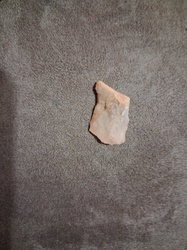
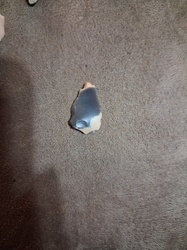
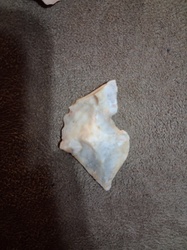
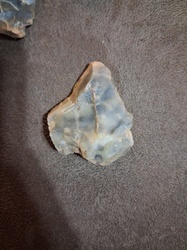
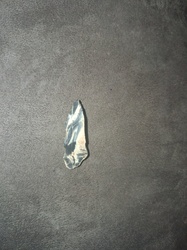
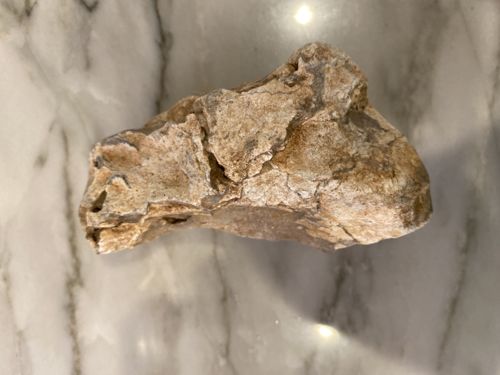
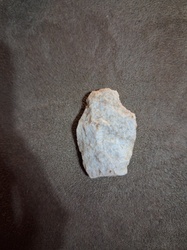
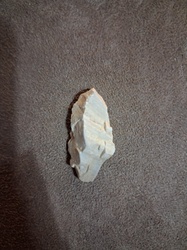
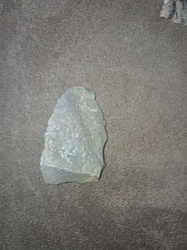
This item is a stone age scraper tool, likely an end or side scraper, crafted from a cryptographic material such as chert, flint, or jasper. It displays a rugged, lithic construction typical of prehistoric utility tools. The coloration is predominantly a mottled tan and earthy beige with visible calcification, consistent with the geological environment of Guthrie, Oklahoma. The dorsal side features multiple flake scars and a prominent ridge, indicating intentional percussion flaking to shape the grip and thinning of the body. One edge appears steeply retouched, a hallmark of scrapers used for processing hides, wood, or bone. The surface exhibits a heavy patina and significant weathering, suggesting a period of long-term exposure to the elements or burial. There are no modern maker's marks, as the piece is an artifact of ancient craftsmanship. The irregular, scalloped edges are the primary quality indicators, showing where the maker applied pressure to create a functional cutting or scraping surface. While it shows natural wear and some possible recent chipping at the edges, the core structure remains intact, serving as a primitive but effective example of Neolithic or Paleo-Indian technology.
Estimated Value

$45.00 - $75.00

Basic Information

Category

Archaeological Artifact

Appraised On

February 18, 2026

Estimated Value

$45.00 - $75.00

Additional Details Provided By Owner

User Provided Information

Prospect stone age scraper tool found in Guthrie, OK

Item Description

This item is a stone age scraper tool, likely an end or side scraper, crafted from a cryptographic material such as chert, flint, or jasper. It displays a rugged, lithic construction typical of prehistoric utility tools. The coloration is predominantly a mottled tan and earthy beige with visible calcification, consistent with the geological environment of Guthrie, Oklahoma. The dorsal side features multiple flake scars and a prominent ridge, indicating intentional percussion flaking to shape the grip and thinning of the body. One edge appears steeply retouched, a hallmark of scrapers used for processing hides, wood, or bone. The surface exhibits a heavy patina and significant weathering, suggesting a period of long-term exposure to the elements or burial. There are no modern maker's marks, as the piece is an artifact of ancient craftsmanship. The irregular, scalloped edges are the primary quality indicators, showing where the maker applied pressure to create a functional cutting or scraping surface. While it shows natural wear and some possible recent chipping at the edges, the core structure remains intact, serving as a primitive but effective example of Neolithic or Paleo-Indian technology.
Get Your Items Appraised

Instant estimates of your treasures with AI-powered instant appraisals

Browse More Appraisals