AI Appraisal Estimate

AI-generated estimates · not official valuations

From the user

What was submitted

Photo and notes provided by the user — not generated by AI

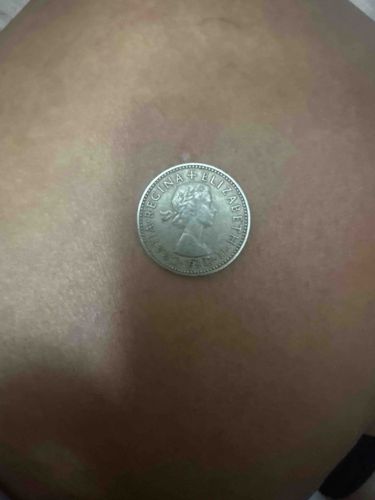
Submitted item photo
Submitted photo · June 20, 2026

User's notes

No additional notes provided.

AI analysis below

AI appraisal

AI analysis & estimate

AI-Generated · Verify before acting

Everything below is generated by AI for informational purposes only. AI can make mistakes — the AI may misidentify items or misattribute them (artist, maker, brand, designer, origin, era). This is not an official valuation and should not be used for insurance, sale, tax, estate, legal, or lending purposes — or any decision requiring a certified appraisal. It is not an authoritative claim about any person, brand, or rights holder — do not share or rely on it as a factual statement about a third party. Always consult qualified professionals before making financial decisions.

Read the full disclaimer

AI Identification

·Not independently authenticated·Verify before acting

British 1963 1 Shilling Coin

Coin

AI Estimated Value

·Not an official valuation·Verify before acting

$0.50 - $2.00

As of June 20, 2026

AI Item Analysis

·AI can make mistakes·Verify before acting
The item is a circular metallic coin, likely made of cupro-nickel, exhibiting a silver-gray hue with some discernible darker toning on its surface, indicative of environmental exposure and age. The coin features the bust of Queen Elizabeth II facing right on its obverse side, with the inscription 'ELIZABETH II DEI GRATIA REGINA F:D:' encircling the portrait. Below the bust, the year '1963' is clearly visible. The Queen's effigy depicts her laureate (wearing a laurel wreath), a common design for this period. The coin has a reeded edge, suggesting it was produced with standard minting practices to deter counterfeiting and wear. Physical characteristics include a fairly worn surface, particularly on the higher points of the Queen's effigy and the lettering, implying circulation. There are no obvious signs of severe damage such as deep scratches or dents, but consistent light wear is present across the visible surface. While no specific maker's mark is visible from this single image, coins of this type were minted by the Royal Mint. This coin belongs to the post-decimalization era in British currency, though the shilling denomination itself is pre-decimal. The overall condition suggests Good to Very Good for circulated coinage, with details still identifiable but lacking the sharpness of an uncirculated specimen. The craftsmanship is typical of mass-produced coinage, with a high degree of precision in striking the intricate details of the portrait and inscriptions. The slight variation in color and presence of minor superficial marks are consistent with regular handling and age.

AI Appraisal Report

·AI can make mistakes·Verify before acting
I have examined the provided image of the 1963 British 1 Shilling Coin. Based on the visual evidence, the coin appears authentic, consistent with known Royal Mint issues of that year, featuring Queen Elizabeth II's laureate bust and the 'ELIZABETH II DEI GRATIA REGINA F:D:' inscription. The reeded edge, visible toning, and general design elements align with typical examples of this denomination. In terms of condition, I would classify this coin as Good to Very Good (G-VG) within the Sheldon grading scale for circulated coinage. There is clear evidence of consistent light wear across the high points of the Queen's effigy and the lettering, typical of a coin that has been in circulation. While no severe damage is apparent, the lack of sharpness prevents it from being graded higher. The 'silver-gray hue with some discernible darker toning' is expected for a cupro-nickel coin of this age. Market conditions for 1963 British shillings are generally low. This particular date is very common, with a high mintage. Consequently, demand is primarily from beginner collectors or those filling sets, rather than from investors seeking rare or high-grade examples. Rarity is not a factor for this widely circulated coin. The primary factor impacting its value is its commonality and circulated condition. Comparables in similar G-VG condition typically sell for under a few dollars. While I can confidently assess its authenticity and condition from the image, a definitive, irreversible authentication would ideally involve a physical examination to check for weight, diameter, and edge strike characteristics not fully discernible from a single image. Microscopic analysis could also rule out sophisticated counterfeits, though these are extremely rare for such a common and low-value coin. I would not recommend specific scientific testing given the nominal value. My appraisal value range reflects the typical retail price for such a specimen in this condition.

Get your items appraised

Instant estimates of your treasures with AI-powered appraisals

Browse More Appraisals