Agatized Chert or Flint Nodule
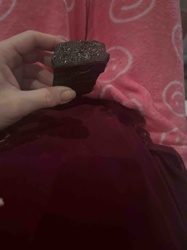
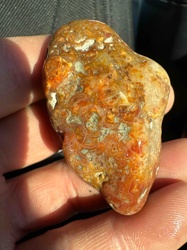
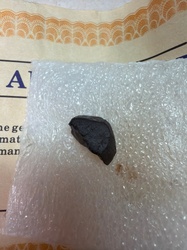
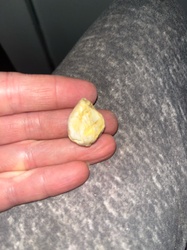
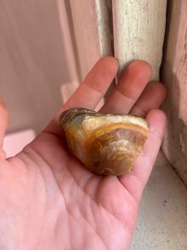
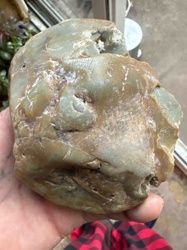
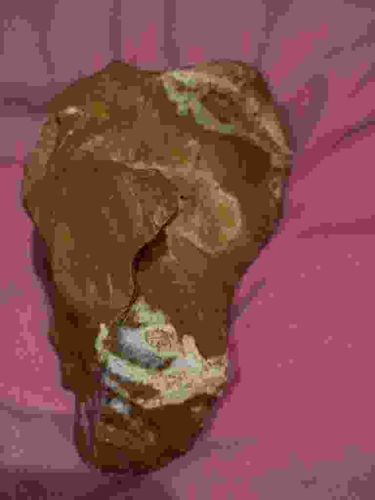
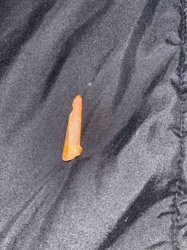
This specimen is a naturally occurring rock nodule, likely composed of chert, flint, or a jasper-agate conglomerate. It exhibits a predominantly earthy brown to dark ochre primary color with a matte, slightly textured surface. A defining characteristic of this piece is the visible internal banding and crystalline structures revealed through fractures and weathering. These areas display light green, cream, and grayish-white translucent hues, suggesting a siliceous or chalcedony-rich mineral composition. The overall shape is irregular and organic, with an asymmetrical silhouette that narrows toward one end. The surface shows significant natural weathering, including pitted areas and uneven edges, which contribute to its rustic aesthetic. There are no visible signs of human craftsmanship, such as tool marks or polished faces, indicating it is an unworked raw mineral specimen. The condition is consistent with an object found in situ, featuring a heavy patina and minor inclusions of localized mineral deposits. Such nodules are typically associated with sedimentary rock formations and can vary greatly in age, often dating back millions of years. Its value as a geological specimen lies in the interesting contrast between the dark outer rind and the colorful mineralized interior visible through natural breaks.
AI-Generated Appraisal Disclaimer
Estimated Value
$45-85
Basic Information
Category
Rocks, Fossils & Minerals
Appraised On
March 28, 2026
Estimated Value
$45-85
Item Description
This specimen is a naturally occurring rock nodule, likely composed of chert, flint, or a jasper-agate conglomerate. It exhibits a predominantly earthy brown to dark ochre primary color with a matte, slightly textured surface. A defining characteristic of this piece is the visible internal banding and crystalline structures revealed through fractures and weathering. These areas display light green, cream, and grayish-white translucent hues, suggesting a siliceous or chalcedony-rich mineral composition. The overall shape is irregular and organic, with an asymmetrical silhouette that narrows toward one end. The surface shows significant natural weathering, including pitted areas and uneven edges, which contribute to its rustic aesthetic. There are no visible signs of human craftsmanship, such as tool marks or polished faces, indicating it is an unworked raw mineral specimen. The condition is consistent with an object found in situ, featuring a heavy patina and minor inclusions of localized mineral deposits. Such nodules are typically associated with sedimentary rock formations and can vary greatly in age, often dating back millions of years. Its value as a geological specimen lies in the interesting contrast between the dark outer rind and the colorful mineralized interior visible through natural breaks.
Related Tags
Get Your Items Appraised
Instant estimates of your treasures with AI-powered instant appraisals