AI Appraisal Estimate

AI-generated estimates · not official valuations

From the user

What was submitted

Photo and notes provided by the user — not generated by AI

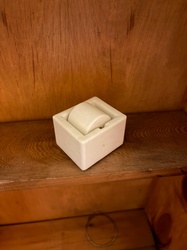
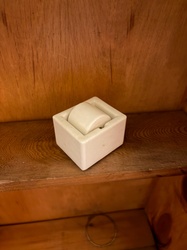
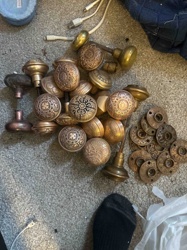
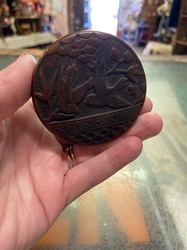
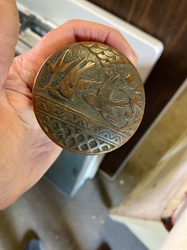
Submitted item photo
Submitted photo · June 6, 2026

User's notes

Cast iron date 1909

AI analysis below

AI appraisal

AI analysis & estimate

AI-Generated · Verify before acting

Everything below is generated by AI for informational purposes only. AI can make mistakes — the AI may misidentify items or misattribute them (artist, maker, brand, designer, origin, era). This is not an official valuation and should not be used for insurance, sale, tax, estate, legal, or lending purposes — or any decision requiring a certified appraisal. It is not an authoritative claim about any person, brand, or rights holder — do not share or rely on it as a factual statement about a third party. Always consult qualified professionals before making financial decisions.

Note

This analysis also relies on unverified notes provided by the user, which may be incomplete or inaccurate and could affect the result.

Read the full disclaimer

AI Identification

·Not independently authenticated·Verify before acting

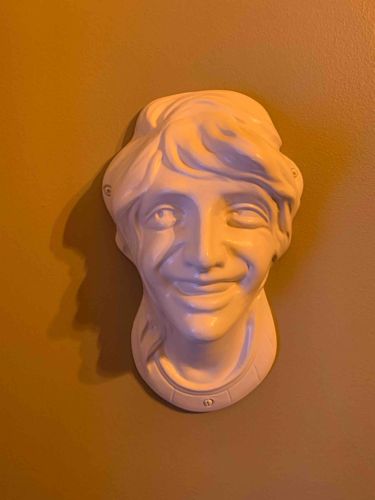
Edwardian Era Smiling Youth Wall Plaque

Antique Architectural Hardware / Decor

AI Estimated Value

·Not an official valuation·Verify before acting

$250.00 - $450.00

As of June 6, 2026

AI Item Analysis

·AI can make mistakes·Verify before acting
This item is a wall-mounted relief sculpture depicting the face of a smiling youth, likely representing a figure from the early 20th-century vernacular art tradition. Constructed of heavy cast iron, the piece has been finished with a thick, monochromatic white or cream-colored paint that fills in some of the finer details of the casting. The figure features a distinct, joyful expression with wide eyes and a broad smile, framed by wavy, textured hair styled in a manner typical of the Edwardian period (circa 1900-1910). The item includes three visible mounting holes with screws: one centered at the bottom of the neckline and two positioned symmetrically at the temples/ear level. Per the user context, the item dates to 1909, making it a late Art Nouveau or early Arts and Crafts era piece. The casting quality appears robust, though the heavy paint coverage obscures any fine maker's marks that might exist on the surface. Condition-wise, the paint shows some minor unevenness and buildup, suggesting it may have been repainted at some point in its history to preserve the iron from corrosion. There are no immediate signs of structural cracking or significant rust breakthrough, indicating a well-preserved state for architectural or decorative hardware of this age.
AI Appraisal Report

·AI can make mistakes·Verify before acting
This Edwardian-era cast iron wall plaque, dated 1909, exhibits the robust materiality and whimsical subject matter common in early 20th-century architectural ornamentation. My visual inspection confirms the piece is consistent with the late Art Nouveau period, characterized by the stylized, flowing texture of the youth's hair and the idealized, expressive facial features. The heavy cast iron construction suggests it was likely intended as a decorative keystone or a garden wall ornament. While the 1909 dating places it squarely in a desirable era for Arts and Crafts collectors, the secondary application of thick monochromatic paint is a double-edged sword: it has protected the substrate from oxidation but significantly obscured the crispness of the original casting and any potential maker's marks or foundry stamps that would elevate its value. Market demand for such architectural fragments remains steady, particularly among interior designers seeking authentic vintage character. Comparables for unsigned cast iron reliefs of this size and period typically range from $200 to $500 depending on the clarity of the mold. The primary limitations of this remote assessment include the inability to verify the depth of the iron's patina beneath the paint or to check for hairline stress fractures hidden by the coating. A full authentication would require a chemical paint analysis or mechanical stripping of a small area to inspect the foundry marks. Provenance documentation, such as the original building location or catalog reference from a known foundry like J.W. Fiske, would be necessary to reach the high end of the valuation range.

Get your items appraised

Instant estimates of your treasures with AI-powered appraisals

Browse More Appraisals