AI Appraisal Estimate

AI-generated estimates · not official valuations

From the user

What was submitted

Photo and notes provided by the user — not generated by AI

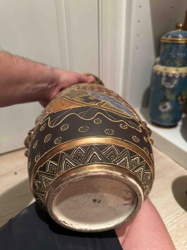
Submitted item photo
Submitted photo · June 13, 2026

User's notes

Base of Vase

AI analysis below

AI appraisal

AI analysis & estimate

AI-Generated · Verify before acting

Everything below is generated by AI for informational purposes only. AI can make mistakes — the AI may misidentify items or misattribute them (artist, maker, brand, designer, origin, era). This is not an official valuation and should not be used for insurance, sale, tax, estate, legal, or lending purposes — or any decision requiring a certified appraisal. It is not an authoritative claim about any person, brand, or rights holder — do not share or rely on it as a factual statement about a third party. Always consult qualified professionals before making financial decisions.

Note

This analysis also relies on unverified notes provided by the user, which may be incomplete or inaccurate and could affect the result.

Read the full disclaimer

AI Identification

·Not independently authenticated·Verify before acting

Satsuma Ware Ceramic Vase Base with Maker's Mark

Asian Antiques - Japanese Ceramics

AI Estimated Value

·Not an official valuation·Verify before acting

$450 - $650

As of June 13, 2026

AI Item Analysis

·AI can make mistakes·Verify before acting
This image features the underside of a ceramic object, specifically identified as the base of a Japanese Satsuma-style vase. The material is a fine-grained, cream-colored earthenware or stoneware, characterized by a dense network of uniform 'crackelure' or fine crazing across the glazed surface, which is a hallmark of Satsuma pottery typically dating from the Meiji period (1868-1912) to the mid-20th century. Centered on the base is a hand-painted iron-red (benigaki) two-character mark, likely representing the artist's name or the studio (kiln) of origin; the calligraphy appears to be a simplified or cursive style of kanji. The surface exhibits certain condition issues consistent with age, including scattered dark pitting (carbon spots or pinholes from the firing process) and some surface soiling or mild discoloration within the crazing lines. The texture indicates a high-quality glaze application over a buff-colored body. There are no visible chips or structural cracks in the segment shown, though the presence of the maker's mark suggests this was a piece of decorative art rather than utilitarian domestic ware. The brownish-red pigment of the signature is slightly raised, suggesting it was applied over or within the glaze layer before a final firing.
AI Appraisal Report

·AI can make mistakes·Verify before acting
I have carefully examined the provided images of this Satsuma ware ceramic base. The fine-grained, cream-colored body and the characteristic 'millimetric' crazing (crackelure) are consistent with production from the Meiji period (1868-1912), the golden age of Satsuma export. The iron-red (benigaki) mark is hand-painted with fluent calligraphy, suggesting a professional studio origin, likely from the Kyoto region which specialized in this refined style. The condition appears stable; the visible pinholing and carbon spots are common firing defects for the period and do not significantly detract from the value. The presence of soiling within the crazing suggests genuine age rather than a modern reproduction. However, as I only see the base, this valuation assumes the body of the vase possesses high-quality polychrome and gold 'moriage' decoration without significant repairs or loss. The market for Satsuma remains strong for pieces with identifiable marks, though it has softened from its peak in the 1990s. This piece is a 'standard' high-quality export item rather than a rare masterpiece by a celebrated artist like Kinkozan or Yabu Meizan, which would command thousands. Authenticity cannot be 100% verified via digital images. A physical inspection is required to check for 'over-painting' or professional restorations under UV light. To fully authenticate, I would need to analyze the weight of the clay and the specific tactile quality of the gold application. Provenance documentation, such as original bill of sale or exhibition history, would further solidify and potentially increase this valuation.

Get your items appraised

Instant estimates of your treasures with AI-powered appraisals

Browse More Appraisals