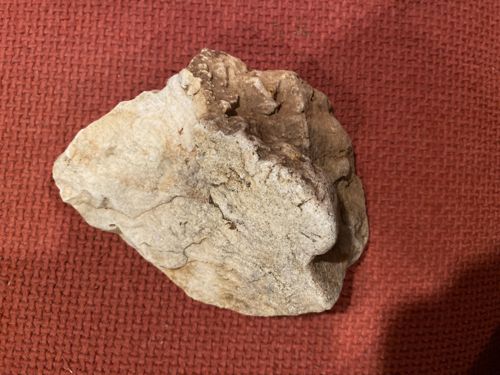
Mousterian Biface Hand Axe Scraper
Prehistoric Artifacts / Paleolithic Stone Tools

Mousterian Biface Hand Axe Scraper

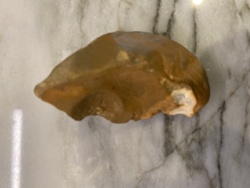
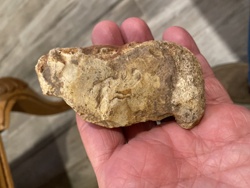
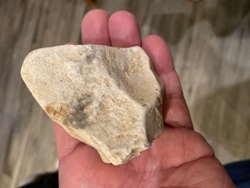
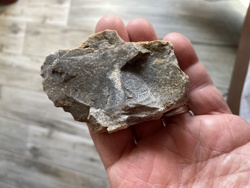
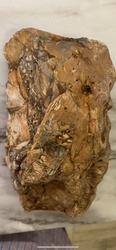
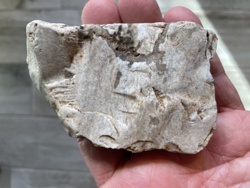
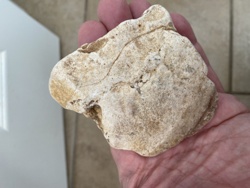
This specimen is a Paleolithic-style stone tool identified as a biface hand axe or scraper, showcasing Mousterian-era knapping techniques. Measuring approximately 5 inches by 4 inches, the artifact is crafted from a light-colored, lithic material, likely a local chert or flint distinctive to the Guthrie, Oklahoma region. The tool features significant bifacial reduction, where flakes have been removed from both sides to create a functional cutting edge. Physically, it exhibits a robust, triangular to sub-ovate form with a prominent dorsal ridge and a tapered point. The color ranges from creamy beige to tan with darker ochre and grey mineral staining throughout the crevices. Notable features include visible percussion scars and secondary retouching along the margins, characteristic of the Levallois or Mousterian tradition. The condition shows heavy patination consistent with long-term environmental exposure, though the primary diagnostic flaking remains clear. There are no modern maker's marks, as this is an ancient utilitarian object. The craftsmanship indicates a sophisticated understanding of lithic fracture, intended for heavy-duty scraping or butchery tasks, representative of Middle Paleolithic technology adapted to North American geofacts.
Estimated Value

$100 - $250

Basic Information

Category

Prehistoric Artifacts / Paleolithic Stone Tools

Appraised On

February 18, 2026

Estimated Value

$100 - $250

Additional Details Provided By Owner

User Provided Information

Paleolithic Mousterian technique seen in the bi face hand axe scraper example found in Guthrie, OK measuring 5" x 4"

Item Description

This specimen is a Paleolithic-style stone tool identified as a biface hand axe or scraper, showcasing Mousterian-era knapping techniques. Measuring approximately 5 inches by 4 inches, the artifact is crafted from a light-colored, lithic material, likely a local chert or flint distinctive to the Guthrie, Oklahoma region. The tool features significant bifacial reduction, where flakes have been removed from both sides to create a functional cutting edge. Physically, it exhibits a robust, triangular to sub-ovate form with a prominent dorsal ridge and a tapered point. The color ranges from creamy beige to tan with darker ochre and grey mineral staining throughout the crevices. Notable features include visible percussion scars and secondary retouching along the margins, characteristic of the Levallois or Mousterian tradition. The condition shows heavy patination consistent with long-term environmental exposure, though the primary diagnostic flaking remains clear. There are no modern maker's marks, as this is an ancient utilitarian object. The craftsmanship indicates a sophisticated understanding of lithic fracture, intended for heavy-duty scraping or butchery tasks, representative of Middle Paleolithic technology adapted to North American geofacts.
Get Your Items Appraised

Instant estimates of your treasures with AI-powered instant appraisals

Browse More Appraisals