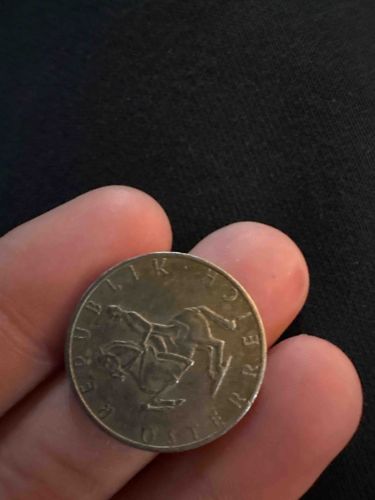
Austrian 5 Schilling Coin (Lipizzaner Horse Type)
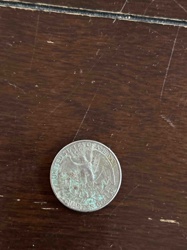
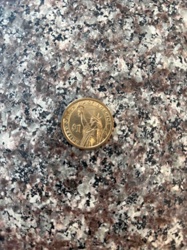
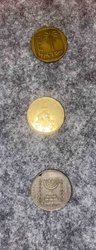
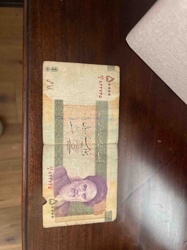
This is a circular metallic currency piece from Austria, specifically a 5 Schilling coin. The obverse side shown features the iconic Lipizzaner horse and rider from the Spanish Riding School in Vienna, accompanied by the circumscription 'REPUBLIK ÖSTERREICH'. Based on the visual characteristics, this coin appears to be composed of a copper-nickel alloy, which was the standard material for this denomination transition between 1968 and 1992. The coin displays a significant amount of circulating wear, characterized by flattened relief on the central horse figure and numerous small contact marks and surface scratches across both the field and the raised elements. There is a noticeable dark patina and grime accumulation, particularly around the lettering and the edges of the central design, indicating it has passed through many hands. The rim shows minor bruising and edge nicks from impact. The craftsmanship is typical of high-volume government minting from the mid-to-late 20th century, utilizing machine-struck dies for durability and mass production. The coin's overall condition would be graded as 'Fine' to 'Very Fine' in numismatic terms, showing clear detail but heavy evidence of utility.
AI-Generated Appraisal Disclaimer
Estimated Value
$0.50 - $2.00
Basic Information
Category
Numismatics / Currency
Appraised On
February 11, 2026
Estimated Value
$0.50 - $2.00
Item Description
This is a circular metallic currency piece from Austria, specifically a 5 Schilling coin. The obverse side shown features the iconic Lipizzaner horse and rider from the Spanish Riding School in Vienna, accompanied by the circumscription 'REPUBLIK ÖSTERREICH'. Based on the visual characteristics, this coin appears to be composed of a copper-nickel alloy, which was the standard material for this denomination transition between 1968 and 1992. The coin displays a significant amount of circulating wear, characterized by flattened relief on the central horse figure and numerous small contact marks and surface scratches across both the field and the raised elements. There is a noticeable dark patina and grime accumulation, particularly around the lettering and the edges of the central design, indicating it has passed through many hands. The rim shows minor bruising and edge nicks from impact. The craftsmanship is typical of high-volume government minting from the mid-to-late 20th century, utilizing machine-struck dies for durability and mass production. The coin's overall condition would be graded as 'Fine' to 'Very Fine' in numismatic terms, showing clear detail but heavy evidence of utility.
Related Tags
Get Your Items Appraised
Instant estimates of your treasures with AI-powered instant appraisals