AI Appraisal Estimate

AI-generated estimates · not official valuations

From the user

What was submitted

Photo and notes provided by the user — not generated by AI

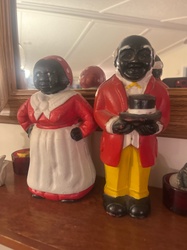
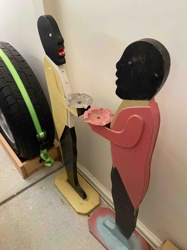
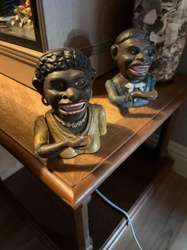
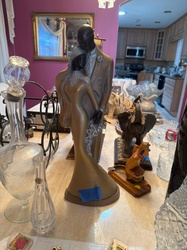
Submitted item photo
Submitted photo · June 4, 2026

User's notes

No additional notes provided.

AI analysis below

AI appraisal

AI analysis & estimate

AI-Generated · Verify before acting

Everything below is generated by AI for informational purposes only. AI can make mistakes — the AI may misidentify items or misattribute them (artist, maker, brand, designer, origin, era). This is not an official valuation and should not be used for insurance, sale, tax, estate, legal, or lending purposes — or any decision requiring a certified appraisal. It is not an authoritative claim about any person, brand, or rights holder — do not share or rely on it as a factual statement about a third party. Always consult qualified professionals before making financial decisions.

Read the full disclaimer

AI Identification

·Not independently authenticated·Verify before acting

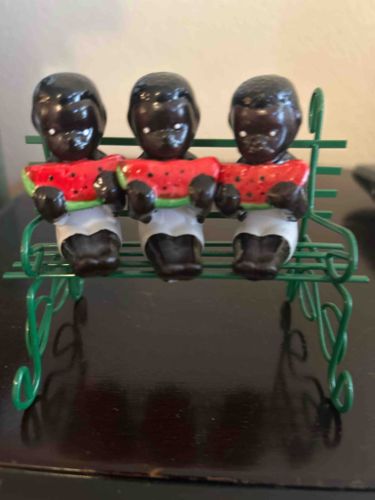
Vintage Black Americana Three Boys on Park Bench Ceramic Figurines

Collectibles / Black Americana

AI Estimated Value

·Not an official valuation·Verify before acting

$45.00-$75.00

As of June 4, 2026

AI Item Analysis

·AI can make mistakes·Verify before acting
This item is a novelty ceramic figurine set featuring three stylized small boys of African descent seated on a miniature green wire park bench. Each figure is depicted with very dark skin, white shorts, and holding a large, vibrantly painted red watermelon slice with black seeds. The figures are roughly uniform in size, likely standing around 3 to 4 inches tall individually. They are crafted from glazed ceramic or porcelain with cold-painted details. The bench is constructed of thin, green-painted metal wire with scrollwork on the legs and horizontal slats for the seat and backrest. This style of decorative item, often referred to as Black Americana or 'pickaninny' imagery, was common in the mid-20th century, typically between the 1930s and 1950s. The paint shows minor wear and some manufacturing imperfections in the glaze, which is typical for mass-produced novelty ceramics of this era. The three figures appear to be three separate pieces or fused as a trio that sit loosely on the metal frame. No visible maker's marks or signatures are noted in the image, although these were often imported from Japan during the post-war period. The craftsmanship is modest, with simplified facial features (white dots for eyes) and a focus on bold, contrasting primary colors.
AI Appraisal Report

·AI can make mistakes·Verify before acting
Based on my visual examination of this ceramic figurine set featuring three boys on a wire park bench, I have determined the piece to be a mid-century novelty item typical of the 1940s-1950s Black Americana genre. The figures exhibit classic 'cold paint' applications over a glazed ceramic base, a technique common for Japanese imports of this era. The condition appears fair to good; I note visible paint loss on the watermelon slices and some minor glaze pops, which are standard for mass-produced ceramics of this vintage. The green wire bench shows minor oxidation consistent with age. This specific motif—children with watermelons—was a prolific trope in mid-century kitchenalia and giftware. Historically, these items were produced in high volumes, meaning they are not considered rare. However, complete sets with the original wire furniture intact command a slight premium over isolated figurines. The market for Black Americana has shifted significantly; while there remains a dedicated collector base for historical documentation, the decorative demand for caricatured 'pickaninny' imagery has softened in general antique markets. Comparables for similar three-piece sets with wire accessories typically hammer between $40 and $80 at auction. Please note that as this assessment is based on images, I cannot verify the presence of 'Made in Japan' backstamps or hairline cracks that may exist under the glaze. A physical inspection would be required to rule out modern reproductions, though the specific wear patterns and paint oxidation suggest mid-20th-century authenticity. No further scientific testing is recommended given the item's modest market value.

Get your items appraised

Instant estimates of your treasures with AI-powered appraisals

Browse More Appraisals