Acheulean-Style Chert Lithic Tool
Prehistoric Artifacts / Stone Age Tools

Acheulean-Style Chert Lithic Tool

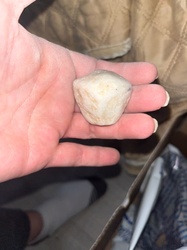
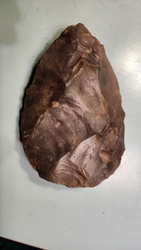
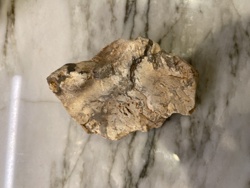
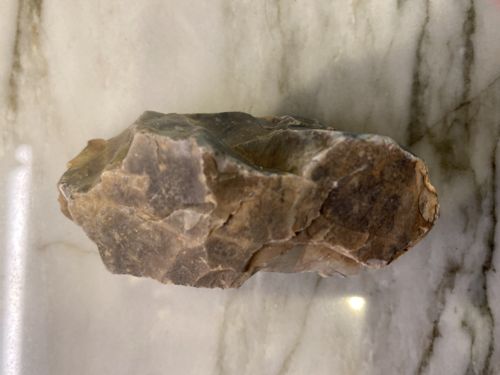
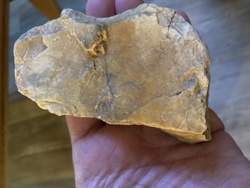
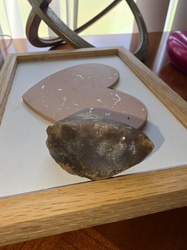
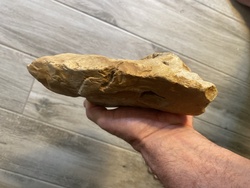
This is a prehistoric lithic artifact, specifically a bifacial hand axe or scraper tool crafted from variegated chert. Measuring approximately 3.5 inches by 1.5 inches, the item exhibits the characteristic flaking associated with purposeful knapping. The material presents a complex palette of earthy tones, including smoky grays, tan, and dark ocher, with visible mineral inclusions and a waxy luster typical of high-silica chert. The construction shows evidence of percussion flaking to shape the core, resulting in a robust, teardrop or ovoid form with a thickened 'butt' for palm-gripping and a tapered working edge. The surface displays a natural desert varnish and patina accrued over millennia, with some edges showing minor step fractures and retouch consistent with use-wear as a scraper or cutting implement. The craftsmanship indicates a sophisticated understanding of conchoidal fracture mechanics. While attributed to the Lower Paleolithic Acheulean tradition by the provider, the specific find location of Guthrie, Oklahoma, would traditionally suggest a New World archaeological context (likely Paleo-Indian or Archaic period) unless it is an imported specimen from Africa, Europe, or Asia where Acheulean culture thrived. The physical condition is stable, with no modern chips or fresh breaks visible, preserving the integrity of the original flintknapping.
Estimated Value

$40.00 - $85.00

Basic Information

Category

Prehistoric Artifacts / Stone Age Tools

Appraised On

March 18, 2026

Estimated Value

$40.00 - $85.00

Additional Details Provided By Owner

User Provided Information

Lower Paleolithic Acheulean chert hand axe scraper tool found in Guthrie OK measuring 3.5" x 1.5"

Item Description

This is a prehistoric lithic artifact, specifically a bifacial hand axe or scraper tool crafted from variegated chert. Measuring approximately 3.5 inches by 1.5 inches, the item exhibits the characteristic flaking associated with purposeful knapping. The material presents a complex palette of earthy tones, including smoky grays, tan, and dark ocher, with visible mineral inclusions and a waxy luster typical of high-silica chert. The construction shows evidence of percussion flaking to shape the core, resulting in a robust, teardrop or ovoid form with a thickened 'butt' for palm-gripping and a tapered working edge. The surface displays a natural desert varnish and patina accrued over millennia, with some edges showing minor step fractures and retouch consistent with use-wear as a scraper or cutting implement. The craftsmanship indicates a sophisticated understanding of conchoidal fracture mechanics. While attributed to the Lower Paleolithic Acheulean tradition by the provider, the specific find location of Guthrie, Oklahoma, would traditionally suggest a New World archaeological context (likely Paleo-Indian or Archaic period) unless it is an imported specimen from Africa, Europe, or Asia where Acheulean culture thrived. The physical condition is stable, with no modern chips or fresh breaks visible, preserving the integrity of the original flintknapping.
Get Your Items Appraised

Instant estimates of your treasures with AI-powered instant appraisals

Browse More Appraisals