AI Appraisal Estimate

AI-generated estimates · not official valuations

From the user

What was submitted

Photo and notes provided by the user — not generated by AI

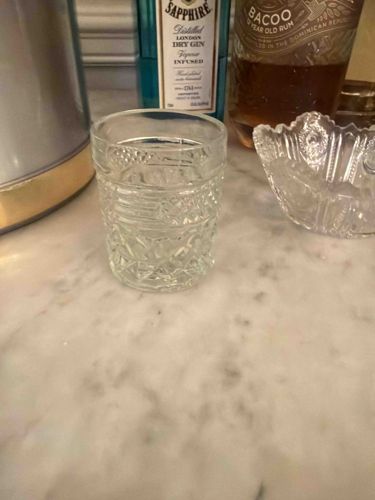
Submitted item photo
Submitted photo · June 25, 2026

User's notes

No additional notes provided.

AI analysis below

AI appraisal

AI analysis & estimate

AI-Generated · Verify before acting

Everything below is generated by AI for informational purposes only. AI can make mistakes — the AI may misidentify items or misattribute them (artist, maker, brand, designer, origin, era). This is not an official valuation and should not be used for insurance, sale, tax, estate, legal, or lending purposes — or any decision requiring a certified appraisal. It is not an authoritative claim about any person, brand, or rights holder — do not share or rely on it as a factual statement about a third party. Always consult qualified professionals before making financial decisions.

Read the full disclaimer

AI Identification

·Not independently authenticated·Verify before acting

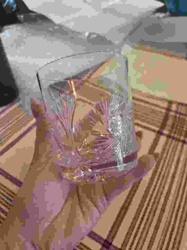
Pressed Glass Rocks Glass in Pinwheel and Star Pattern

Vintage Glassware / Barware

AI Estimated Value

·Not an official valuation·Verify before acting

$8.00 - $15.00

As of June 25, 2026

AI Item Analysis

·AI can make mistakes·Verify before acting
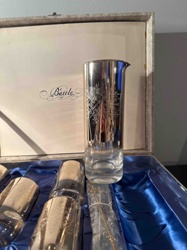
This item is a short, cylindrical rocks glass or 'old fashioned' glass, characterized by a complex decorative surface. The glass features a deeply molded pressed-glass design, commonly referred to as Early American Pattern Glass (EAPG) or a derivative style like Pressed Lead Glass. The pattern consists of various geometric motifs, including prominent pinwheels, cross-hatching, and starbursts, which mimic the appearance of expensive hand-cut crystal. It has a slightly tapered body towards the base with a smooth, rounded rim at the top. The glass is clear with a bright, reflective quality, though several tiny trapped air bubbles (seeds) appear within the material, indicative of mid-20th-century mass production rather than high-end hand-blown glass. The construction shows a visible mold seam running vertically, which confirms it was produced via a machine-pressing process. In terms of condition, the glass appears to be in very good vintage state with no visible chips or significant clouding from dishwasher use. There is a slight patina of surface micro-scratches on the interior bottom from use. The style suggests it was likely manufactured in the United States between the 1950s and 1970s, a period when many glassmakers like Anchor Hocking, Indiana Glass, or Federal Glass produced similar intricate patterns for home barware.
AI Appraisal Report

·AI can make mistakes·Verify before acting
I have virtually examined this pressed glass rocks glass featuring a classic Pinwheel and Star pattern. The item exhibits the hallmarks of mid-20th-century mass production, specifically Early American Pattern Glass (EAPG) revival style likely produced by a firm such as Indiana Glass or Anchor Hocking between 1950 and 1975. My inspection reveals visible mold seams and 'seeds' (trapped air bubbles), confirming this is pressed glass rather than hand-cut lead crystal. The condition is noted as very good vintage state; while the clarity remains high without the 'sick' glass cloudiness often caused by modern detergents, internal micro-scratching suggests regular utility. The market for mid-century pressed barware is currently saturated. While these pieces are durable and aesthetically pleasing, they were produced in the millions. Comparables for single glasses of this pattern typically range from $5 to $12 at estate sales or antique malls, with slightly higher yields for complete sets of six or eight. The primary value-driver here is utility and vintage charm rather than rarity or investment potential. Factors limiting value include the lack of a prestigious maker's mark and the visible mold lines which distinguish it from high-value Brilliant Period cut glass. I must note that a definitive appraisal is limited by the digital format. In-person examination is required to check for 'flea bites' along the pattern edges, assess the glass's resonance (lead content), and perform a UV light test to check for manganese or selenium signatures which would better pinpoint the manufacturing date and facility. Provenance documentation, such as original boxing or a bill of sale, would be necessary to confirm a specific manufacturer.

Get your items appraised

Instant estimates of your treasures with AI-powered appraisals

Browse More Appraisals