AI Appraisal Estimate

AI-generated estimates · not official valuations

From the user

What was submitted

Photo and notes provided by the user — not generated by AI

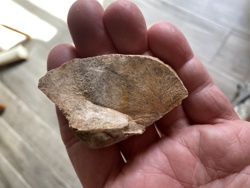
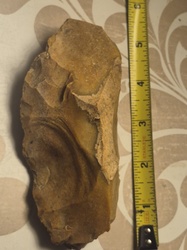
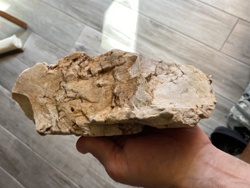
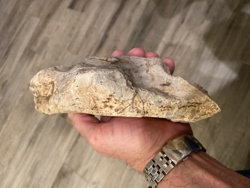
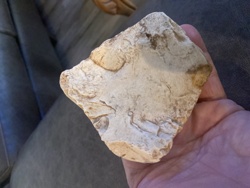
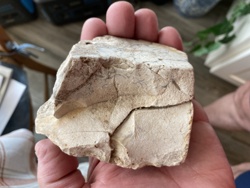
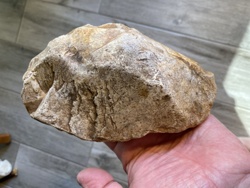
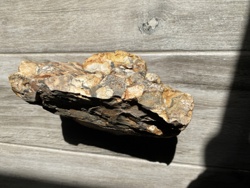
Submitted item photo
Submitted photo · June 25, 2026

User's notes

bifacr fossil inclusion

AI analysis below

AI appraisal

AI analysis & estimate

AI-Generated · Verify before acting

Everything below is generated by AI for informational purposes only. AI can make mistakes — the AI may misidentify items or misattribute them (artist, maker, brand, designer, origin, era). This is not an official valuation and should not be used for insurance, sale, tax, estate, legal, or lending purposes — or any decision requiring a certified appraisal. It is not an authoritative claim about any person, brand, or rights holder — do not share or rely on it as a factual statement about a third party. Always consult qualified professionals before making financial decisions.

Note

This analysis also relies on unverified notes provided by the user, which may be incomplete or inaccurate and could affect the result.

Read the full disclaimer

AI Identification

·Not independently authenticated·Verify before acting

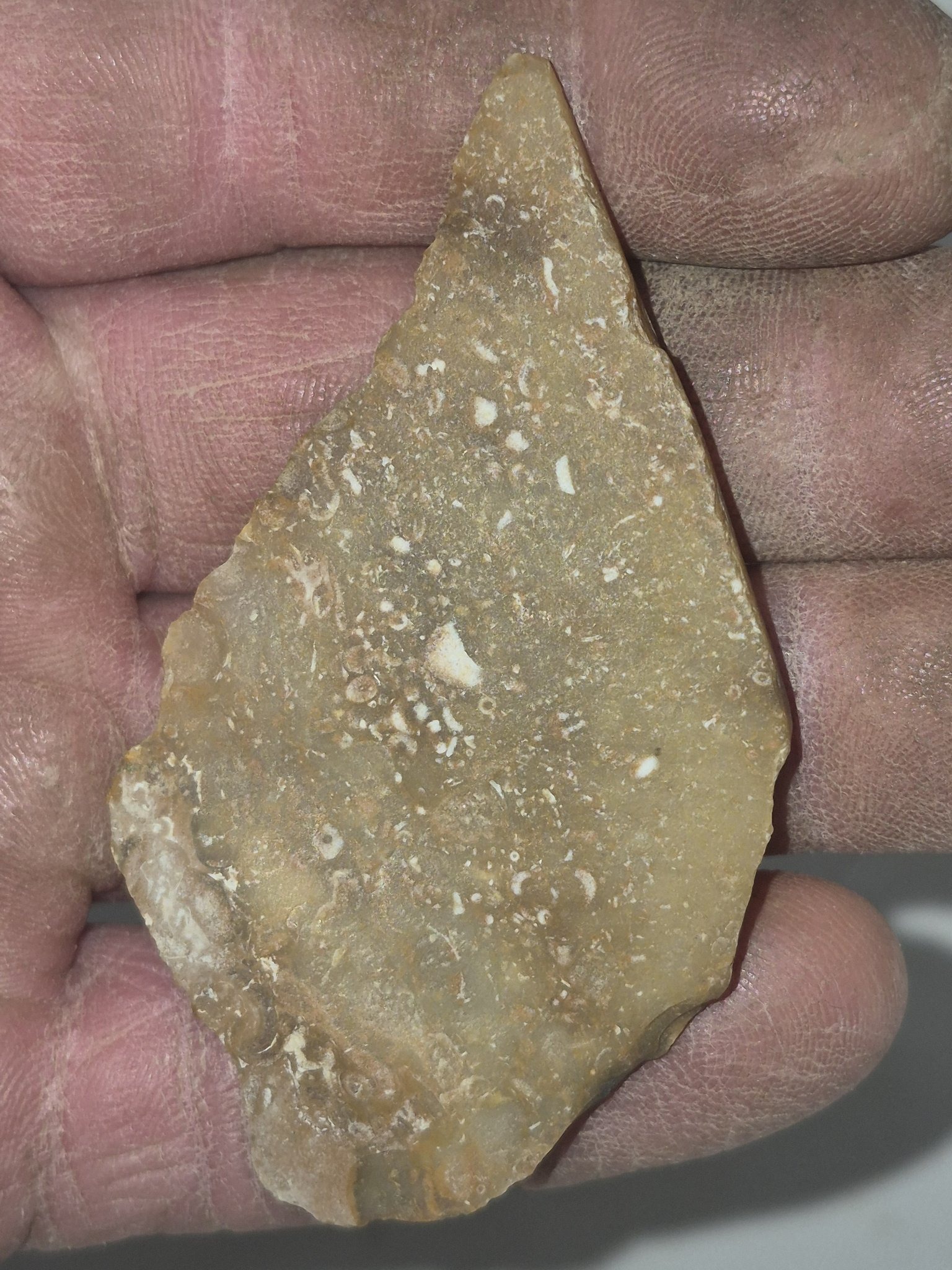
Bifacial Chert Lithic Tool with Fossil Inclusions

Archeological Artifacts

AI Estimated Value

·Not an official valuation·Verify before acting

$150 - $250

As of June 25, 2026

AI Item Analysis

·AI can make mistakes·Verify before acting
This item is a hand-knapped lithic tool, specifically a biface, characterized by flaking on both surfaces to create a sharp edge. The artifact is crafted from a tan to light-brown fossiliferous chert or flint, which is heavily embedded with white and cream-colored fossil inclusions, likely crinoid stems or small marine shell fragments. This material selection is particularly notable as the high density of inclusions typically makes the stone more difficult to work without fracturing unpredictably. The tool features an asymmetrical, teardrop-like shape with a pointed tip and a broader, slightly irregular base. The edges show evidence of percussion and pressure flaking, indicating it was likely used as a multi-purpose cutting or scraping implement. In terms of condition, the artifact displays a natural earthy patina and some edge wear consistent with age and use, though no modern breaks are visible. The craftsmanship demonstrates a high level of skill in managing the impurities within the stone. Based on the morphology and material, this piece is likely a prehistoric arrowhead or knife preform originating from a region with fossil-rich sedimentary deposits. Its age could range from the Archaic to Woodland periods, depending on its specific geographic origin.
AI Appraisal Report

·AI can make mistakes·Verify before acting
I have examined the bifacial chert tool featuring distinct fossiliferous inclusions. The artifact displays characteristic prehistoric flintknapping techniques, including percussion and secondary pressure flaking along the margins. The use of fossil-heavy chert—containing likely crinoid fragments—is aesthetically striking, though functionally challenging due to the structural inconsistencies fossils introduce. This 'aesthetic' quality increases its appeal to lithic collectors. Physically, the piece demonstrates a grounded earthy patina and edge attrition consistent with an Archaic-to-Woodland period origin; no modern metallic residues or fresh 'crush' marks from steel tools are visible. Market-wise, small-to-medium lithic tools with unique mineralogical features typically trade in the low hundreds. While more common than formal 'points' (like a Clovis), the fossil inclusions provide a rarity premium. However, value is significantly tempered by the lack of firm provenance or an established find-site history. Factors affecting value include the integrity of the tip and the high skill level shown in managing the fossilized voids. Note that this appraisal is based on photographic evidence only. Photographs can obscure modern 'fakes' aged with chemicals or mechanical tumbling. A definitive authentication requires an in-person microscopic analysis of surface patination and residue, coupled with geological sourcing of the chert and, ideally, documentation of its discovery. Without rigorous provenance, it remains a 'found object,' which limits its ceiling in the high-end antiquities market.

Get your items appraised

Instant estimates of your treasures with AI-powered appraisals

Browse More Appraisals