Japanese Satsuma-style Polychrome Rectangular Porcelain Vase
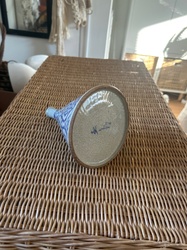
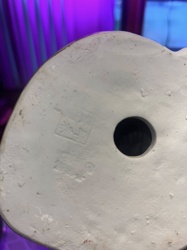
This item is a small, hand-held rectangular porcelain vase, likely of Japanese origin and executed in the Satsuma style. The object features a flattened, hexagonal base profile with a recessed central panel. It is constructed from a white-bodied ceramic or porcelain clay. The exterior surface is decorated with a detailed polychrome enamel landscape or floral scene, featuring vibrant greens, reds, and blues against a creamy white ground. On the base, there is a clear, square red-seal stamp (hanko) containing Japanese kanji characters, which typically identifies the maker or the studio. The style of the mark and the use of overglaze enamels suggest a 20th-century production, possibly Mid-Century. In terms of condition, the piece shows significant environmental soiling, with dark particulate matter and grime adhering to the unglazed foot rim and the recessed base. There are no immediate signs of major structural cracking or repairs visible from this angle, but the surface suggests it has been stored in a damp or outdoor environment, resulting in a gritty patina. The craftsmanship appears to be of standard commercial quality for export-style Japanese ceramics, with neatly applied transfers or hand-painted details and a well-defined kiln stamp.
AI-Generated Appraisal Disclaimer
Estimated Value
$45 - $85
Basic Information
Category
Asian Antiques and Collectibles / Ceramics
Appraised On
December 25, 2025
Estimated Value
$45 - $85
Item Description
This item is a small, hand-held rectangular porcelain vase, likely of Japanese origin and executed in the Satsuma style. The object features a flattened, hexagonal base profile with a recessed central panel. It is constructed from a white-bodied ceramic or porcelain clay. The exterior surface is decorated with a detailed polychrome enamel landscape or floral scene, featuring vibrant greens, reds, and blues against a creamy white ground. On the base, there is a clear, square red-seal stamp (hanko) containing Japanese kanji characters, which typically identifies the maker or the studio. The style of the mark and the use of overglaze enamels suggest a 20th-century production, possibly Mid-Century. In terms of condition, the piece shows significant environmental soiling, with dark particulate matter and grime adhering to the unglazed foot rim and the recessed base. There are no immediate signs of major structural cracking or repairs visible from this angle, but the surface suggests it has been stored in a damp or outdoor environment, resulting in a gritty patina. The craftsmanship appears to be of standard commercial quality for export-style Japanese ceramics, with neatly applied transfers or hand-painted details and a well-defined kiln stamp.
Related Tags
Get Your Items Appraised
Instant estimates of your treasures with AI-powered instant appraisals