AI Appraisal Estimate

AI-generated estimates · not official valuations

From the user

What was submitted

Photo and notes provided by the user — not generated by AI

Submitted item photo
Submitted photo · June 10, 2026

User's notes

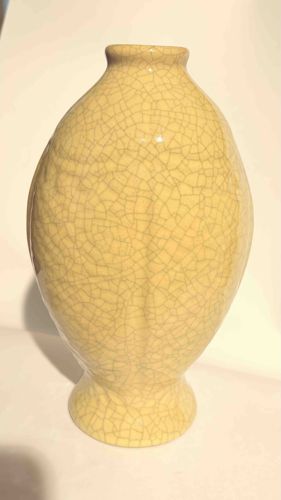
Unmarked vintage/antique? Ice crackle glazed ceramic vase

AI analysis below

AI appraisal

AI analysis & estimate

AI-Generated · Verify before acting

Everything below is generated by AI for informational purposes only. AI can make mistakes — the AI may misidentify items or misattribute them (artist, maker, brand, designer, origin, era). This is not an official valuation and should not be used for insurance, sale, tax, estate, legal, or lending purposes — or any decision requiring a certified appraisal. It is not an authoritative claim about any person, brand, or rights holder — do not share or rely on it as a factual statement about a third party. Always consult qualified professionals before making financial decisions.

Note

This analysis also relies on unverified notes provided by the user, which may be incomplete or inaccurate and could affect the result.

Read the full disclaimer

AI Identification

·Not independently authenticated·Verify before acting

Vintage Ice Crackle Glaze Ceramic Ovoid Vase

Art Pottery & Ceramics

AI Estimated Value

·Not an official valuation·Verify before acting

$150 - $250

As of June 10, 2026

AI Item Analysis

·AI can make mistakes·Verify before acting
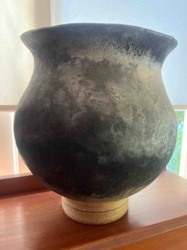
This ceramic vase features a distinctive ovoid or bulbous body tapering down to a flared pedestal base, topped with a short, slightly rolled neck and rim. The vessel is finished in a pale cream or buttery yellow monochromatic glaze characterized by a dense 'ice crackle' or 'ge-type' network. This intentional crazing effect creates a complex web of fine lines across the entire surface, adding textural depth and a sense of antiquity. The symmetry of the piece suggests it was wheel-thrown or slip-cast with high precision. Based on the uniform glaze application and the specific crackle pattern, the item likely draws inspiration from traditional Chinese Song Dynasty Ge ware style, potentially produced in the mid-to-late 20th century as a decorative art piece. The material appears to be a high-fired stoneware or porcelain. The condition looks excellent with no visible chips, significant scratches, or structural cracks beyond the decorative glaze crazing. The lack of visible maker's marks is common for studio pottery or mass-produced decorative imports targeting a mid-century or vintage aesthetic. The craftsmanship is evidenced by the even distribution of the crackle pattern and the balanced proportions of the silhouette.
AI Appraisal Report

·AI can make mistakes·Verify before acting
I have carefully examined the provided images of this ice-crackle glaze ovoid vase. The piece exhibits a well-executed 'Ge-ware' style aesthetic, characterized by a uniform cream-colored glaze and a rhythmic, intentional network of crazing. My visual inspection confirms the item is in excellent vintage condition; the crackle is stable and consistent with high-fired decorative stoneware of the mid-to-late 20th century rather than ancient Song Dynasty originals, which would show more irregular iron-red or 'gold thread' staining within the cracks. The silhouette is balanced and professional, though the lack of a maker's mark suggests it was likely produced for the high-end decorative import market or as a studio reproduction. Current market demand for monochromatic, textured Asian-inspired ceramics remains steady among interior designers and collectors of mid-century aesthetics. Comparable pieces of unmarked vintage crackle-ware typically realize prices in the $150 to $250 range at regional auctions. Factors limiting the value include the absence of a signature and the modern precision of the pedestal base. It is crucial to note that while this appears to be a 20th-century homage, a definitive age cannot be established via photograph. A full authentication would require an in-person examination of the foot rim's clay body for oxidation and wear, as well as a microscopic review of the glaze bubbles. To rule out an earlier origin, thermoluminescence (TL) testing would be necessary to scientifically date the firing of the ceramic material.

Get your items appraised

Instant estimates of your treasures with AI-powered appraisals

Browse More Appraisals