AI Appraisal Estimate

AI-generated estimates · not official valuations

From the user

What was submitted

Photo and notes provided by the user — not generated by AI

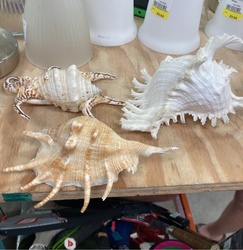
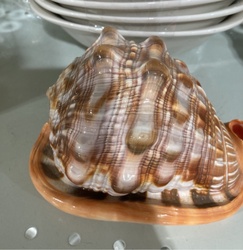
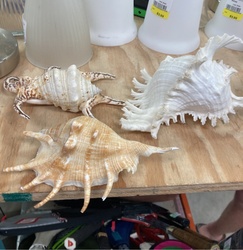
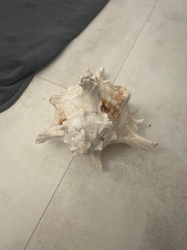
Submitted item photo
Submitted photo · June 21, 2026

User's notes

No additional notes provided.

AI analysis below

AI appraisal

AI analysis & estimate

AI-Generated · Verify before acting

Everything below is generated by AI for informational purposes only. AI can make mistakes — the AI may misidentify items or misattribute them (artist, maker, brand, designer, origin, era). This is not an official valuation and should not be used for insurance, sale, tax, estate, legal, or lending purposes — or any decision requiring a certified appraisal. It is not an authoritative claim about any person, brand, or rights holder — do not share or rely on it as a factual statement about a third party. Always consult qualified professionals before making financial decisions.

Read the full disclaimer

AI Identification

·Not independently authenticated·Verify before acting

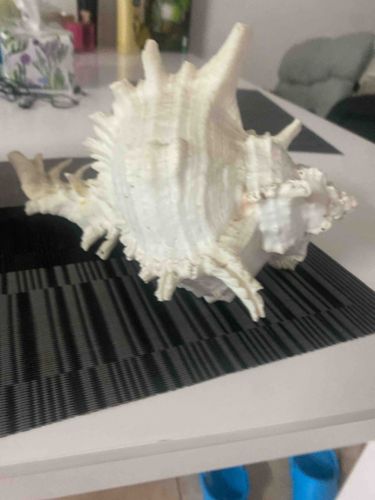
Chicoreus ramosus (Ramose Murex) Seashell

Natural History / Collectible Shells

AI Estimated Value

·Not an official valuation·Verify before acting

$125 - $175

As of June 21, 2026

AI Item Analysis

·AI can make mistakes·Verify before acting
This specimen is a large, predatory sea snail shell known as the Chicoreus ramosus, commonly referred to as the Ramose Murex or Branched Murex. The shell exhibits a globose shape with a short spire and is characterized by its heavy, rugged construction. The exterior is primarily an off-white to creamy white color, featuring three distinct radial varices per whorl. These varices are adorned with leaf-like, frilled spines that have a branched or 'ramous' appearance, a hallmark of the species. The body whorl is prominent and displays deep spiral ridges and grooves that create a textured, rugged surface. In terms of condition, the shell appears to be in relatively good decorative state, though there are visible signs of natural wear. Some of the delicate fronds and spines show blunting and minor chipping at the tips, which is common for natural specimens of this size. There is a slight yellowish-tan patina or staining visible in the deeper crevices and along the canal, likely due to organic remnants or aging. The aperture, though largely obscured in this view, likely possesses the smooth, porcelain-like interior and pinkish-to-ivory columellar lip typical of the species. As a natural biological object, it lacks maker's marks, but its robust size and complexity indicate it is a mature specimen. This species is native to the Indo-Pacific region and has been a staple of natural history collections and interior decor since the Victorian era.
AI Appraisal Report

·AI can make mistakes·Verify before acting
I have virtually examined this large specimen of Chicoreus ramosus (Ramose Murex). Measuring by the robust body whorl and the complexity of the three radial varices, this is a mature, high-quality specimen. My assessment of the shell's exterior reveals a well-preserved off-white calcification with characteristic branched fronds. While most spines remain intact, I noted minor blunting and distal chipping on several leaf-like projections, which is standard for natural history specimens of this scale. The presence of organic staining in the siphonal canal suggests it was harvested from a wild habitat rather than being acid-cleaned, which collectors often prefer as it preserves the original texture. The market for Indo-Pacific marine shells remains steady, particularly for 'cabinet-sized' specimens like this one. Compared to recent auction results for 200mm+ specimens, value is stable. Rarity is low as this species is common, but value increases with the preservation of the delicate 'branched' tips. The primary value drivers here are size and the lack of severe structural damage to the labrum. Limitations: From this visual inspection alone, I cannot confirm the integrity of the hidden columella or check for artificial 'fillers' used to repair broken spines. Full authentication and valuation would require a physical tactile examination to check for structural repairs, an exact measurement in millimeters, and provenance to ensure it was sourced in compliance with international maritime and CITES regulations if applicable. This appraisal assumes the shell is legally sourced and free of concealed structural restoration.

Get your items appraised

Instant estimates of your treasures with AI-powered appraisals

Browse More Appraisals