Middle Paleolithic Chert Hand Axe Scraper
Archaeological Artifacts / Prehistoric Stone Tools

Middle Paleolithic Chert Hand Axe Scraper

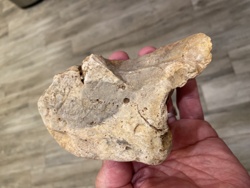
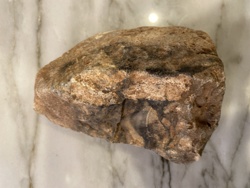
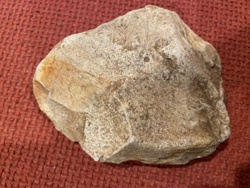
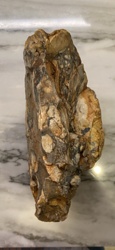
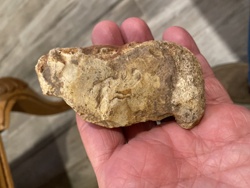
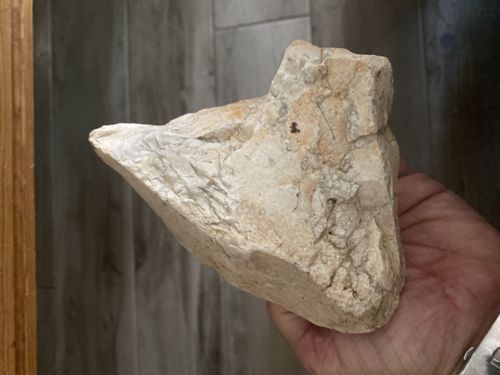
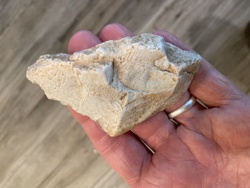
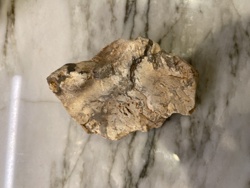
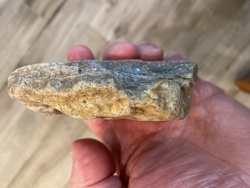
This specimen is identified as a Middle Paleolithic hand axe or heavy scraper tool, crafted from a light-colored, tan-to-cream chert material. Measuring approximately 5 inches by 4 inches, the tool exhibits a triangular or sub-cordate morphology. The artifact displays significant percussion flaking along the edges to create a functional cutting or scraping surface. The material shows a distinct weathered patina and calcification typical of long-term burial in soil, with some visible iron staining (orange-brown spots) on the surface crests. Its construction features a thick base or 'butt' designed to fit comfortably in the palm of the hand, tapering to a narrower point. The edges show various degrees of edge-wear and step fracturing consistent with heavy utilitarian use such as butchery or woodworking. There are no modern maker's marks, and the tool is shaped through bifacial and unifacial reduction techniques characteristic of prehistoric lithic industries. The overall condition is robust but shows natural erosion and geological scarring that adds to its archaeological character. While listed as Middle Paleolithic, its stylistic attributes are consistent with large core tools found throughout North American prehistoric periods in the Oklahoma region.
Estimated Value

$150 - $250

Basic Information

Category

Archaeological Artifacts / Prehistoric Stone Tools

Appraised On

February 19, 2026

Estimated Value

$150 - $250

Additional Details Provided By Owner

User Provided Information

Middle Paleolithic chert Hand axe scraper tool found in Guthrie OK measuring 5" x 4"

Item Description

This specimen is identified as a Middle Paleolithic hand axe or heavy scraper tool, crafted from a light-colored, tan-to-cream chert material. Measuring approximately 5 inches by 4 inches, the tool exhibits a triangular or sub-cordate morphology. The artifact displays significant percussion flaking along the edges to create a functional cutting or scraping surface. The material shows a distinct weathered patina and calcification typical of long-term burial in soil, with some visible iron staining (orange-brown spots) on the surface crests. Its construction features a thick base or 'butt' designed to fit comfortably in the palm of the hand, tapering to a narrower point. The edges show various degrees of edge-wear and step fracturing consistent with heavy utilitarian use such as butchery or woodworking. There are no modern maker's marks, and the tool is shaped through bifacial and unifacial reduction techniques characteristic of prehistoric lithic industries. The overall condition is robust but shows natural erosion and geological scarring that adds to its archaeological character. While listed as Middle Paleolithic, its stylistic attributes are consistent with large core tools found throughout North American prehistoric periods in the Oklahoma region.
Get Your Items Appraised

Instant estimates of your treasures with AI-powered instant appraisals

Browse More Appraisals