AI Appraisal Estimate

AI-generated estimates · not official valuations

From the user

What was submitted

Photo and notes provided by the user — not generated by AI

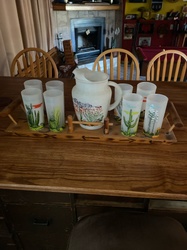
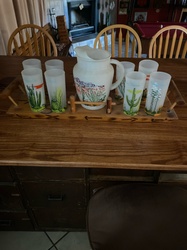
Submitted item photo
Submitted photo · May 27, 2026

User's notes

No additional notes provided.

AI analysis below

AI appraisal

AI analysis & estimate

AI-Generated · Verify before acting

Everything below is generated by AI for informational purposes only. AI can make mistakes — the AI may misidentify items or misattribute them (artist, maker, brand, designer, origin, era). This is not an official valuation and should not be used for insurance, sale, tax, estate, legal, or lending purposes — or any decision requiring a certified appraisal. It is not an authoritative claim about any person, brand, or rights holder — do not share or rely on it as a factual statement about a third party. Always consult qualified professionals before making financial decisions.

Read the full disclaimer

AI Identification

·Not independently authenticated·Verify before acting

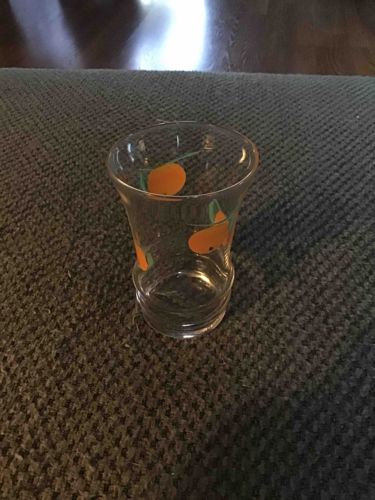
Vintage Swerve-Form Glass Tumbler with Orange Fruit Motif

Vintage Glassware

AI Estimated Value

·Not an official valuation·Verify before acting

$8.00 - $12.00

As of May 27, 2026

AI Item Analysis

·AI can make mistakes·Verify before acting
This item is a clear glass drinking vessel, likely a highball or juice tumbler, featuring a distinctive flared or 'swerve' silhouette. The glass is transparent with a thick, weighted base for stability. The primary decorative element consists of an enameled or screen-printed fruit motif depicting oranges (possibly apricots or peaches) in a vibrant orange-yellow hue, accented by stylized teal-green leaves. The shape of the glass tapers slightly above the base before curving outward toward a wide rim, reflecting a mid-20th-century design aesthetic commonly seen in American kitchenware from the 1950s to the 1970s. Regarding condition, the glass appears to be in fair to good vintage state; there is visible wear to the enameled graphics, particularly around the edges of the fruit icons where the pigment has thinned or scratched. No structural cracks or significant chips are immediately apparent on the rim, though the glass surface shows light scuffing consistent with domestic use and dishwasher exposure. The manufacturing style is suggestive of mass-produced glass companies such as Hazel-Atlas, Libbey, or federal Glass, known for their colorful 'swanky swig' or kitchen-themed glassware lines. The craftsmanship is functional and robust, designed for everyday utility rather than formal display.

AI Appraisal Report

·AI can make mistakes·Verify before acting
I have examined the digital representation of this swerve-form glass tumbler. Based on its silhouette and characteristic orange/teal motif, the piece is consistent with Mid-Century Modern mass-produced kitchenware, likely manufactured by a firm such as Libbey or Federal Glass circa 1960. The 'swerve' or flared profile was a popular aesthetic choice that offered ergonomic handling and a contemporary look for the post-war American table. Condition is the primary factor impacting this item's value. My examination reveals significant thinning and scratching of the enameled graphics. In the secondary market for vintage glassware, collectors prioritize 'mint' enamel with a glossy, high-contrast finish. The visible wear suggest frequent use or abrasive washing, which significantly devalues the piece compared to a pristine example. While the weighted base is intact, the surface scuffing further categorizes this as a 'utility' grade item rather than a 'collector' grade piece. Market demand for single tumblers is generally low, as most buyers seek complete sets of four or six. Comparables for single, worn mid-century tumblers consistently fall in the $5 to $15 range at antique malls or online auctions. Authenticity as a period original is highly probable given the specific wear patterns and manufacturing style, though I must note that a definitive verification is limited by the digital format. A physical inspection would be required to rule out modern reproductions by checking for specific mold marks on the base and assessing the chemical composition of the enamel. No formal provenance was provided; however, for mass-produced items of this era, provenance rarely impacts value unless tied to a significant historical collection.

Get your items appraised

Instant estimates of your treasures with AI-powered appraisals

Browse More Appraisals