Antique Peru Chair Works Caned Seat
Antique Furniture and Components

Antique Peru Chair Works Caned Seat

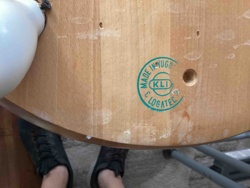
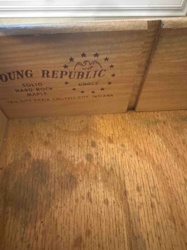
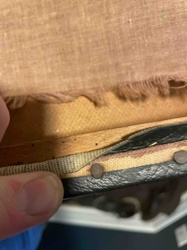
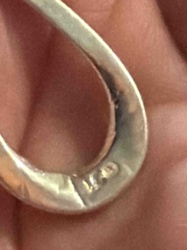
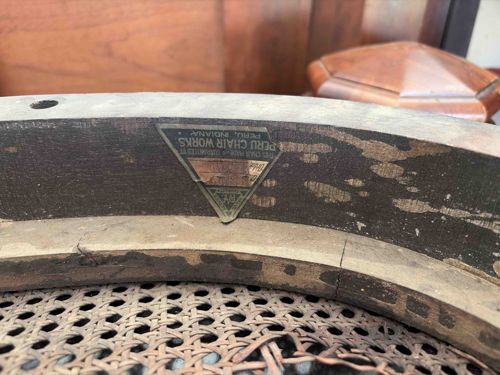
This item is an antique wooden chair component, specifically the seat frame featuring a woven cane surface. The frame is constructed from a dark-toned hardwood, likely walnut or mahogany, and exhibits an oval or rounded profile. A defining feature is the triangular paper label affixed to the interior of the seat rail, which reads 'PERU CHAIR WORKS, PERU, INDIANA.' This manufacturer operated primarily in the late 19th and early 20th centuries, indicating an age between 1890 and 1920. The caning follows a traditional open-weave octagonal pattern, though it shows significant signs of age and distress, including fraying, breakage, and sagging typical of natural organic materials exposed to time and use. The wood frame shows surface abrasions, finish loss, and several vertical stress cracks, particularly near the joints. Notable is the patina of the wood, which has darkened significantly, and the accumulation of dust and characteristic wear on the inner rail. The craftsmanship reflects industrial furniture production of the American Midwest during the transition from Victorian to simpler early 20th-century styles. The combination of the original maker's label and the remaining hand-woven or machine-pressed cane provides significant historical context for restoration purposes.
Estimated Value

$45 - $85

Basic Information

Category

Antique Furniture and Components

Appraised On

February 13, 2026

Estimated Value

$45 - $85

Item Description

This item is an antique wooden chair component, specifically the seat frame featuring a woven cane surface. The frame is constructed from a dark-toned hardwood, likely walnut or mahogany, and exhibits an oval or rounded profile. A defining feature is the triangular paper label affixed to the interior of the seat rail, which reads 'PERU CHAIR WORKS, PERU, INDIANA.' This manufacturer operated primarily in the late 19th and early 20th centuries, indicating an age between 1890 and 1920. The caning follows a traditional open-weave octagonal pattern, though it shows significant signs of age and distress, including fraying, breakage, and sagging typical of natural organic materials exposed to time and use. The wood frame shows surface abrasions, finish loss, and several vertical stress cracks, particularly near the joints. Notable is the patina of the wood, which has darkened significantly, and the accumulation of dust and characteristic wear on the inner rail. The craftsmanship reflects industrial furniture production of the American Midwest during the transition from Victorian to simpler early 20th-century styles. The combination of the original maker's label and the remaining hand-woven or machine-pressed cane provides significant historical context for restoration purposes.
Get Your Items Appraised

Instant estimates of your treasures with AI-powered instant appraisals

Browse More Appraisals