AI Appraisal Estimate

AI-generated estimates · not official valuations

From the user

What was submitted

Photo and notes provided by the user — not generated by AI

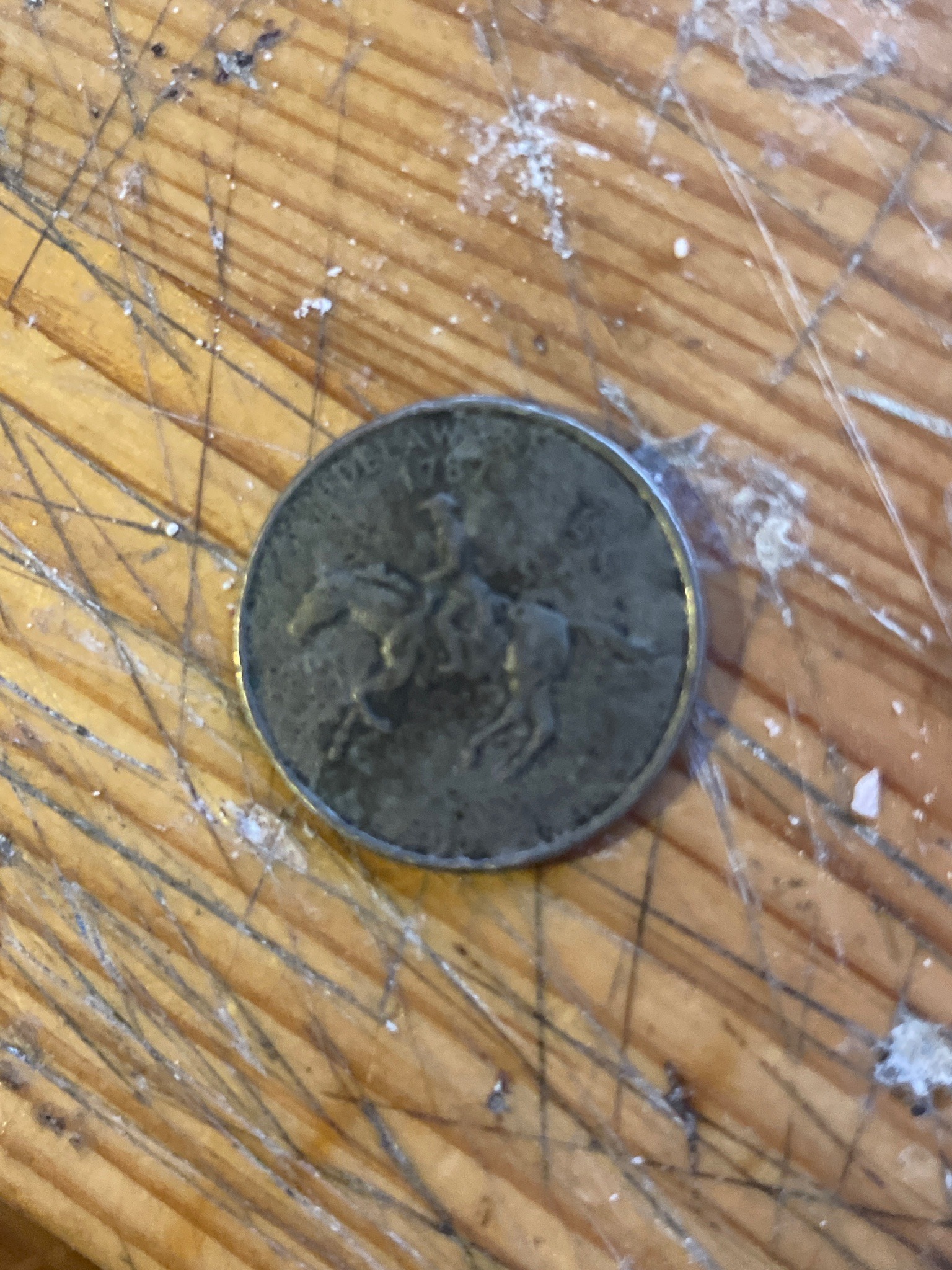
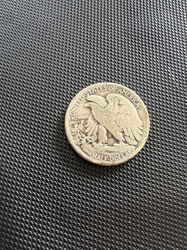
Submitted item photo
Submitted photo · June 13, 2026

User's notes

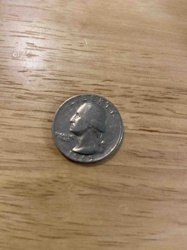
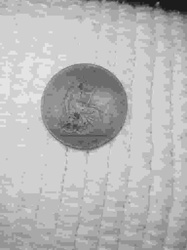
1999 quarter misprinted

AI analysis below

AI appraisal

AI analysis & estimate

AI-Generated · Verify before acting

Everything below is generated by AI for informational purposes only. AI can make mistakes — the AI may misidentify items or misattribute them (artist, maker, brand, designer, origin, era). This is not an official valuation and should not be used for insurance, sale, tax, estate, legal, or lending purposes — or any decision requiring a certified appraisal. It is not an authoritative claim about any person, brand, or rights holder — do not share or rely on it as a factual statement about a third party. Always consult qualified professionals before making financial decisions.

Note

This analysis also relies on unverified notes provided by the user, which may be incomplete or inaccurate and could affect the result.

Read the full disclaimer

AI Identification

·Not independently authenticated·Verify before acting

1999 Delaware State Quarter (Severely Corroded)

Numismatics / US Coins

AI Estimated Value

·Not an official valuation·Verify before acting

$0.25

As of June 13, 2026

AI Item Analysis

·AI can make mistakes·Verify before acting
This item is a 1999 United States Delaware State Quarter, featuring the reverse design of Caesar Rodney on horseback. The coin measures approximately 24.26 mm in diameter and was originally composed of a copper-nickel clad over a pure copper core. However, the physical condition is severely compromised. The entire surface exhibits deep, dark grey and blackish oxidation, likely due to environmental damage or exposure to harsh chemicals/moisture (corrosion). The high points of the design, including Rodney's figure and the horse, show significant wear and flattening. While the user identifies this as a 'misprint,' the visual evidence suggests 'Post-Mint Damage' (PMD) rather than a mint error. The mushy appearance of the inscriptions including 'DELAWARE' and '1787' is characteristic of acid etching or extreme environmental exposure rather than a die error. There are no clear markings of a mint error like a clipped planchet or off-center strike; instead, the rim appears uneven from wear and physical abrasion. The coin lacks any original mint luster and displays a matte, pitted texture across both the fields and the relief elements.
AI Appraisal Report

·AI can make mistakes·Verify before acting
I have completed a thorough visual examination of the 1999 Delaware State Quarter provided. While the owner identifies this as a 'misprint,' my professional assessment categorizes the coin’s appearance as significant Post-Mint Damage (PMD) rather than a numismatic error. The dark, pitted surfaces and 'mushy' detail are classic indicators of environmental corrosion or acid exposure after the coin left the United States Mint. The lack of standard mint luster and the presence of uneven abrasions on the rim confirm it has been subjected to harsh conditions, likely burial in acidic soil or exposure to corrosive chemicals. In the numismatic market, 'error' coins like off-center strikes or clipped planchets carry premiums; however, environmental damage significantly degrades a coin’s value below its potential collector grade. Because this is a high-mintage circulation strike and the damage is not a recognized minting anomaly, it lacks rarity and collector demand. Comparable examples of corroded state quarters are typically spent at face value or sold in bulk as 'cull' silver (though this coin contains no precious metal). Limitations of this appraisal include the inability to weigh the coin to the milligram or perform a metallurgical test to rule out illicit chemical alteration. A physical inspection would confirm if the surface texture is the result of 'acid dipping' or simple environmental 'road rash.' However, based on the visual evidence of the Caesar Rodney reverse, the coin remains legal tender but holds no additional value for a serious numismatic investor.

Get your items appraised

Instant estimates of your treasures with AI-powered appraisals

Browse More Appraisals