AI Appraisal Estimate

AI-generated estimates · not official valuations

From the user

What was submitted

Photo and notes provided by the user — not generated by AI

Submitted item photo
Submitted photo · June 27, 2026

User's notes

No additional notes provided.

AI analysis below

AI appraisal

AI analysis & estimate

AI-Generated · Verify before acting

Everything below is generated by AI for informational purposes only. AI can make mistakes — the AI may misidentify items or misattribute them (artist, maker, brand, designer, origin, era). This is not an official valuation and should not be used for insurance, sale, tax, estate, legal, or lending purposes — or any decision requiring a certified appraisal. It is not an authoritative claim about any person, brand, or rights holder — do not share or rely on it as a factual statement about a third party. Always consult qualified professionals before making financial decisions.

Read the full disclaimer

AI Identification

·Not independently authenticated·Verify before acting

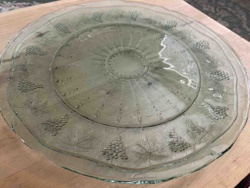
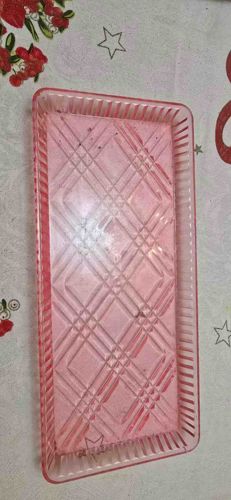
Pink Pressed Glass Rectangular Serving Tray

Vintage Glassware / Kitchenware

AI Estimated Value

·Not an official valuation·Verify before acting

$25.00-$45.00

As of June 27, 2026

AI Item Analysis

·AI can make mistakes·Verify before acting
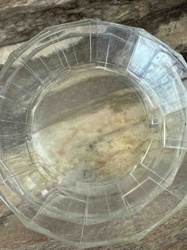
This item is a rectangular serving tray crafted from pink translucent glass, often characteristic of Depression-era or mid-20th-century glassware styles. Physically, the tray features a flat rectangular base with raised vertical sidewalls. The base is decorated with an intricate geometric pattern consisting of overlapping diagonal lines that create a diamond or 'cross-hatch' motif. The vertical side walls are finished with a consistent ribbed or fluted texture, providing both structural grip and visual detail. The color is a subtle rosy pink, often referred to as 'Rosalin' or simply pink depression glass. In terms of condition, the tray shows signs of light surface wear, minor scratches consistent with domestic use, and a few small darkened inclusions or spots within the glass, which may be factory imperfections. No major chips or cracks are immediately visible in the overhead view. The tray does not display prominent maker's marks on the interior surface, which is common for mass-produced pressed glass of the early-to-mid 20th century. The craftsmanship indicates a molded production process rather than hand-blown, meant for functional everyday use while maintaining an elegant aesthetic. Such trays were typically used for serving sandwiches, crackers, or hors d'oeuvres.
AI Appraisal Report

·AI can make mistakes·Verify before acting
Based on my visual analysis of this rectangular pink pressed glass serving tray, I believe it to be a piece of Depression-era or mid-century utility glassware. The 'cross-hatch' geometric base and fluted sidewalls are consistent with late 1920s to 1940s production methods used by companies like Federal, Hocking, or Indiana Glass. The 'Rosalin' hue is characteristic of the selenium-based coloring agents popular during this period. My inspection reveals light surface abrasions and factory inclusions (seeds/ash), which are standard for mass-produced pressed ware and do not significantly detract from the value. The absence of chips or cracks is a positive factor, as glass of this age is prone to 'flea bites' along the rim. The market for Depression glass remains stable but modest; while sought after for its decorative appeal, items without a rare identified pattern or specific maker's mark generally trade as functional collectibles rather than high-investment antiques. Comparables for similar unbranded rectangular sandwich trays typically fall in the $20 to $50 range depending on the local market and collector interest in the specific pink shade. Limitations: This appraisal is based solely on digital imagery. A physical examination is necessary to confirm the absence of ground-down chips or hairline fractures that are invisible in photos. Furthermore, I cannot definitively rule out modern reproductions without testing for UV fluorescence (to check for specific chemical additives) or verifying weight and exact dimensions against documented original molds. Provenance documentation regarding the original purchase or family history would further solidify its dating.

Get your items appraised

Instant estimates of your treasures with AI-powered appraisals

Browse More Appraisals