AI Appraisal Estimate

AI-generated estimates · not official valuations

From the user

What was submitted

Photo and notes provided by the user — not generated by AI

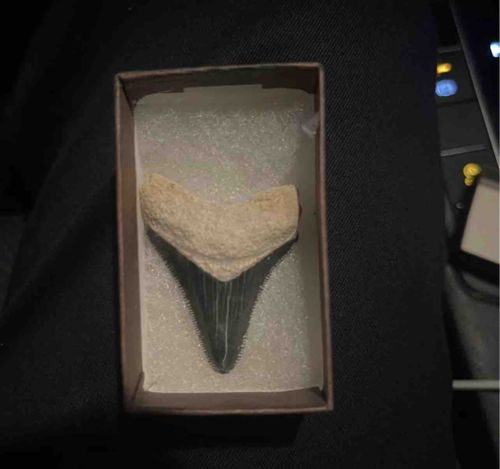
Submitted item photo
Submitted photo · June 23, 2026

User's notes

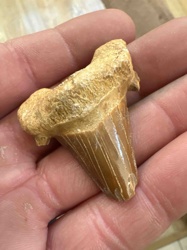
Megalodon Tooth

AI analysis below

AI appraisal

AI analysis & estimate

AI-Generated · Verify before acting

Everything below is generated by AI for informational purposes only. AI can make mistakes — the AI may misidentify items or misattribute them (artist, maker, brand, designer, origin, era). This is not an official valuation and should not be used for insurance, sale, tax, estate, legal, or lending purposes — or any decision requiring a certified appraisal. It is not an authoritative claim about any person, brand, or rights holder — do not share or rely on it as a factual statement about a third party. Always consult qualified professionals before making financial decisions.

Note

This analysis also relies on unverified notes provided by the user, which may be incomplete or inaccurate and could affect the result.

Read the full disclaimer

AI Identification

·Not independently authenticated·Verify before acting

Fossilized Megalodon Tooth

Fossils & Paleontology

AI Estimated Value

·Not an official valuation·Verify before acting

$175 - $250

As of June 23, 2026

AI Item Analysis

·AI can make mistakes·Verify before acting
This is a fossilized tooth from an Otodus megalodon, an extinct species of giant shark that lived approximately 23 to 3.6 million years ago. The specimen is presented in a rectangular display box with white protective padding. The tooth exhibits the classic triangular morphology characteristic of the species, featuring a broad, robust root and a well-defined crown. The bourlette, the chevron-shaped area between the root and the crown, is clearly visible and possesses a lighter, cream-colored tone. The enamel on the crown displays a deep slate-gray to charcoal coloration with vertical striations, indicating mineral replacement during fossilization. Notably, the serrated edges along the blade appear relatively sharp and well-preserved, though there is some minor chipping visible toward the distal end and significant erosion or 'feeding wear' on the tip. The wide, beige root shows a porous, textured surface typical of fossilized bone/dentin material, with minor hairline fractures and weathering consistent with age and subterranean pressure. Based on the scale relative to standard gift boxes, the tooth appears to be of moderate size, likely between 3 and 4 inches in slant length. While not a 'gem' grade specimen due to the blunt tip and root weathering, the preservation of the serrations and the integrity of the enamel bolster its quality as a collectible paleontological specimen.

AI Appraisal Report

·AI can make mistakes·Verify before acting
I have completed a visual examination of the fossilized Otodus megalodon tooth specimen. The tooth, measuring approximately 3 to 4 inches in slant length, presents in 'Good' collector condition. The enamel exhibits a desirable deep charcoal luster and the bourlette remains remarkably distinct with a contrasting cream tone. While the serrations along the mid-blade are well-defined, the specimen shows significant feeding wear or post-depositional erosion at the distal tip and some typical root desiccation. The absence of visible restoration or 'buildup' on the root suggests a natural state, which is preferred by purists over cosmetically altered specimens. The market for Megalodon teeth is currently robust, driven by high demand for display-grade fossils. Teeth in the 3-4 inch range are relatively common compared to the exponential price curve seen in 6-inch+ specimens. Current comparables for teeth with similar tip damage and coloration typically realize prices between $150 and $275 at specialty auction and mineral shows. The inclusion of the display box adds minor retail appeal. Limitations: This appraisal is based solely on photographic evidence. A definitive determination of authenticity requires an in-person inspection to verify the density, check for the presence of synthetic fillers or adhesives, and ensure the specimen has not been 'polished' to hide surface flaws. Provenance documentation, such as the specific recovery site (e.g., South Carolina rivers vs. Indonesian mines), would further refine the valuation. Scientific tests like UV light exposure could definitively rule out modern composite repairs.

Get your items appraised

Instant estimates of your treasures with AI-powered appraisals

Browse More Appraisals