AI identification & appraisal estimate

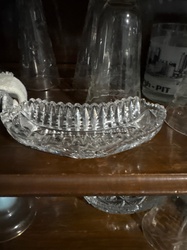
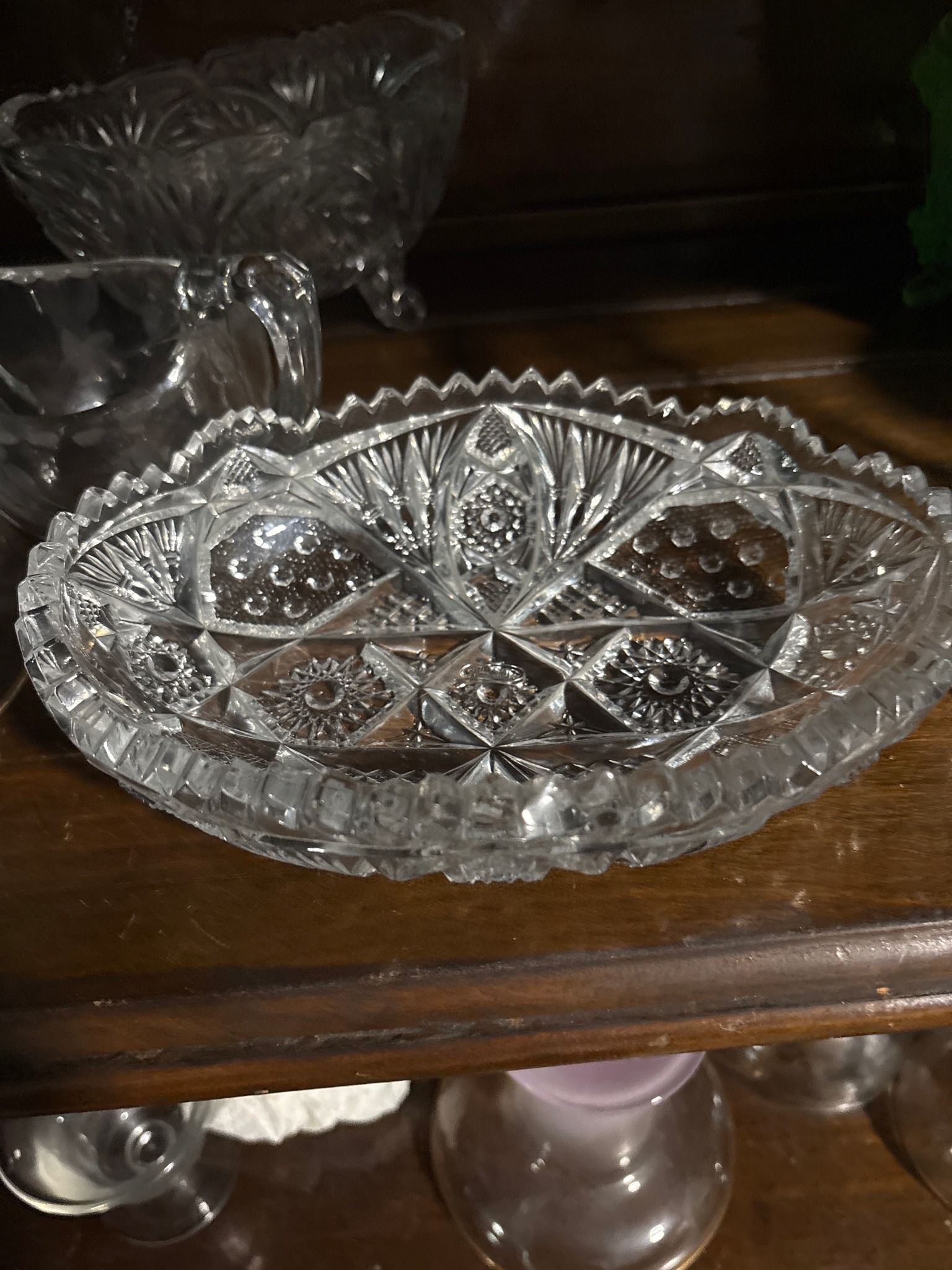
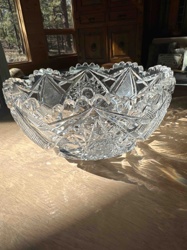
American Brilliant Period Cut Glass Oval Celery Dish

This name is the AI's identification of the item — it may be incorrect.

Submitted photo of American Brilliant Period Cut Glass Oval Celery Dish
Photo submitted by the user — not generated by AI

AI Estimated Value

Not an official valuation

$125.00 - $175.00

AI estimate as of April 28, 2026 · verify with a professional before acting

AI-Generated · Verify before acting

Everything on this page is generated by AI for informational purposes only. AI can make mistakes — the AI may misidentify items or misattribute them (artist, maker, brand, designer, origin, era). This is not an official valuation and should not be used for insurance, sale, tax, estate, legal, or lending purposes — or any decision requiring a certified appraisal. It is not an authoritative claim about any person, brand, or rights holder — do not share or rely on it as a factual statement about a third party. Always consult qualified professionals before making financial decisions.

Read the full disclaimer

AI Item Analysis

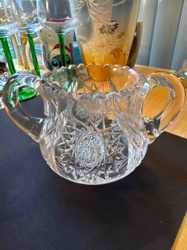
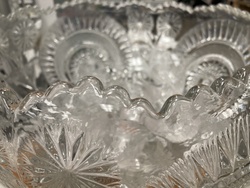
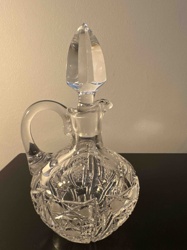
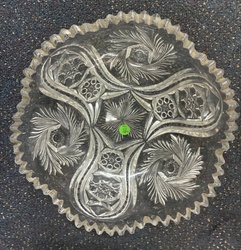
This is a fine example of an oval-shaped celery or relish dish crafted from heavy lead crystal, dating to the American Brilliant Period (circa 1876-1917). The dish features an intricate and deeply cut pattern consisting of large hobstars, fan motifs, and strawberry diamond cuttings that create a high level of light refraction and brilliance. The rim is finished with a classic sawtooth or sharkstooth edge, which is sharp to the touch, a hallmark of hand-cut quality from this era. Physically, the glass is clear with high transparency, exhibiting the characteristic substantial weight and ringing tone associated with high lead content glass. The craftsmanship is evident in the precision of the mitre cuts and the complex geometry of the overlapping star patterns. Regarding condition, the piece appears well-preserved with no major chips or cracks visible on the main body, though the delicate sawtooth rim of such pieces often suffers from minor 'flea bites' or micro-nicking over time. There are no obvious maker's marks visible in the image, which was common for many glass houses of the period, though the quality is consistent with manufacturers like Libbey or Hoare. The piece shows a light patina of surface shelf wear on the bottom commensurate with age.
AI Appraisal Report

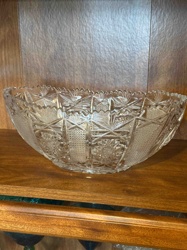
I have examined the digital images of this American Brilliant Period (ABP) oval celery dish. The piece displays the characteristic high lead content and optical clarity indicative of the 1876-1917 era. The pattern, featuring deep mitre cuts, hobstars, and strawberry diamonds, is indicative of a well-executed design from a reputable glass house such as Libbey or J. Hoare, though without a signature, it is attributed to the period generally. The sharp sawtooth rim and the complexity of the fan motifs demonstrate high-quality craftsmanship. The presence of shelf wear on the base supports an age of over 100 years. Current market conditions for ABP glass have softened from historical highs, with utilitarian shapes like celery dishes and relish trays being common, though still collected for their brilliance and utility. Limitations of this appraisal include the inability to confirm the 'ring' tone of the lead crystal, precisely measure the weight, or detect professional restorations or micro-nicking with a jeweler's loupe. A physical inspection is required to check for 'flea bites' that often occur on the sharp edges, which can decrease value. To fully authenticate the piece as a specific maker, an in-person search for acid-etched signatures (often faint) and a comparison to known catalog patterns is necessary. Provenance documenting the piece's history would further solidify its valuation.

Keep exploring

More antique glassware / american brilliant period cut glass appraisals

Get your items appraised

Instant AI-powered appraisal estimates from a photo

Browse More Appraisals