AI Appraisal Estimate

AI-generated estimates · not official valuations

From the user

What was submitted

Photo and notes provided by the user — not generated by AI

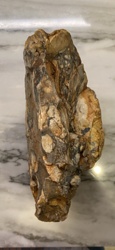
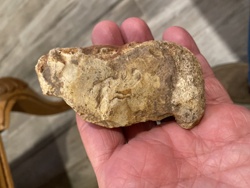
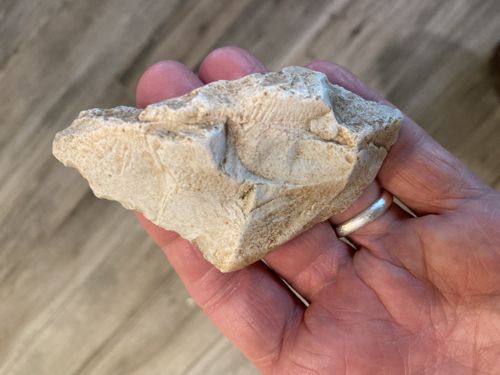
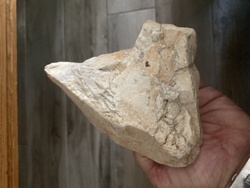
Submitted item photo
Submitted photo · May 19, 2026

User's notes

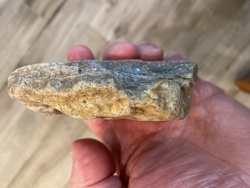
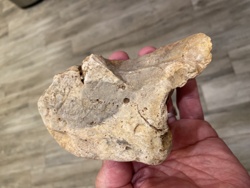
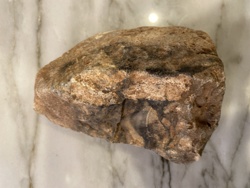
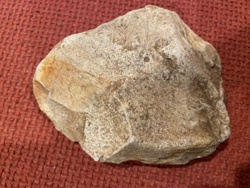
Prospect prehistoric stone lithic point and scraper tool. Found in Guthrie OK measuring 3.5" x 2"

AI analysis below

AI appraisal

AI analysis & estimate

AI-Generated · Verify before acting

Everything below is generated by AI for informational purposes only. AI can make mistakes — the AI may misidentify items or misattribute them (artist, maker, brand, designer, origin, era). This is not an official valuation and should not be used for insurance, sale, tax, estate, legal, or lending purposes — or any decision requiring a certified appraisal. It is not an authoritative claim about any person, brand, or rights holder — do not share or rely on it as a factual statement about a third party. Always consult qualified professionals before making financial decisions.

Note

This analysis also relies on unverified notes provided by the user, which may be incomplete or inaccurate and could affect the result.

Read the full disclaimer

AI Identification

·Not independently authenticated·Verify before acting

Prehistoric Lithic Scraper and Point Tool

Archaeological Artifacts / Prehistoric Stone Tools

AI Estimated Value

·Not an official valuation·Verify before acting

$45.00 - $75.00

As of May 19, 2026

AI Item Analysis

·AI can make mistakes·Verify before acting
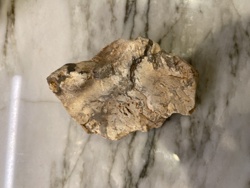
This is a prehistoric lithic artifact, identified as a multi-purpose scraper and point tool found in Guthrie, OK. Measuring approximately 3.5 inches by 2 inches, the item is constructed from a light-colored, tan-to-beige chert or flint material, typical of the sedimentary geological formations found in the Midwestern United States. The tool exhibits irregular percussion flaking along its edges, indicating human modification for utilitarian purposes. Its physical form is characterized by a thick, asymmetrical dorsal ridge and a pointed extremity, suggesting it may have served dual roles as a crude piercing implement and a heavy-duty scraping tool for hides or woodworking. The surface displays a significant matte patina and weathered texture consistent with long-term exposure to soil and natural elements. Notable features include several deep negative flake scars and hinge fractures created during the manufacturing process. There are visible signs of edge wear and minor step fracturing, likely resulting from ancient use-wear rather than modern damage. While it lacks the refined pressure flaking seen in late-period projectile points, its robust construction suggests a Paleo-Indian or Archaic period origin. There are no modern maker's marks, signatures, or stamps; however, the presence of localized mineral staining and calcification adds to its authentic archaeological character. The overall quality reflects a functional, opportunistic stone tool design rather than a ceremonial object, emphasizing durability and immediate utility.
AI Appraisal Report

·AI can make mistakes·Verify before acting
I have carefully examined the provided images and descriptions of this lithic lithic tool. This specimen, a bifacial scraper-point combination of tan chert, displays characteristic traits of a utilitarian 'expedient' tool. The presence of hinger fractures, deep negative flake scars, and a significant matte patina suggests an authentic ancient origin, likely dating to the Archaic period (approx. 8,000–3,000 BP). The localized mineral staining and calcification are positive indicators of long-term burial in the Guthrie, Oklahoma, region. The tool exhibits 'use-wear' rather than recent damage, which adds to its archaeological interest. The current market for prehistoric lithic artifacts is highly segmented. While refined Paleo-Indian projectile points (like Clovis or Folsom) can command thousands of dollars, utilitarian tools like this scraper are far more common. Such pieces are frequently found in the Midwestern and Southern US, leading to a high supply and moderate demand. Comparables for uncurated, opportunistic tools of this size generally sell in the $40 to $80 range at specialized auctions or artifact shows. It is important to note that a definitive assessment is limited by the digital format. From images alone, I cannot verify the 'feel' of the patina or check for modern tool marks under high-power magnification. For full authentication and potential value increase, I would require documented provenance (finding history) and an in-person microscopic analysis of the edge-wear to confirm it was not manufactured using modern lapidary equipment. Without a legal 'find' history or specific site context, the value remains strictly within the collector market for 'field finds' rather than high-end museum-grade specimens.

Get your items appraised

Instant estimates of your treasures with AI-powered appraisals

Browse More Appraisals