AI Appraisal Estimate

AI-generated estimates · not official valuations

From the user

What was submitted

Photo and notes provided by the user — not generated by AI

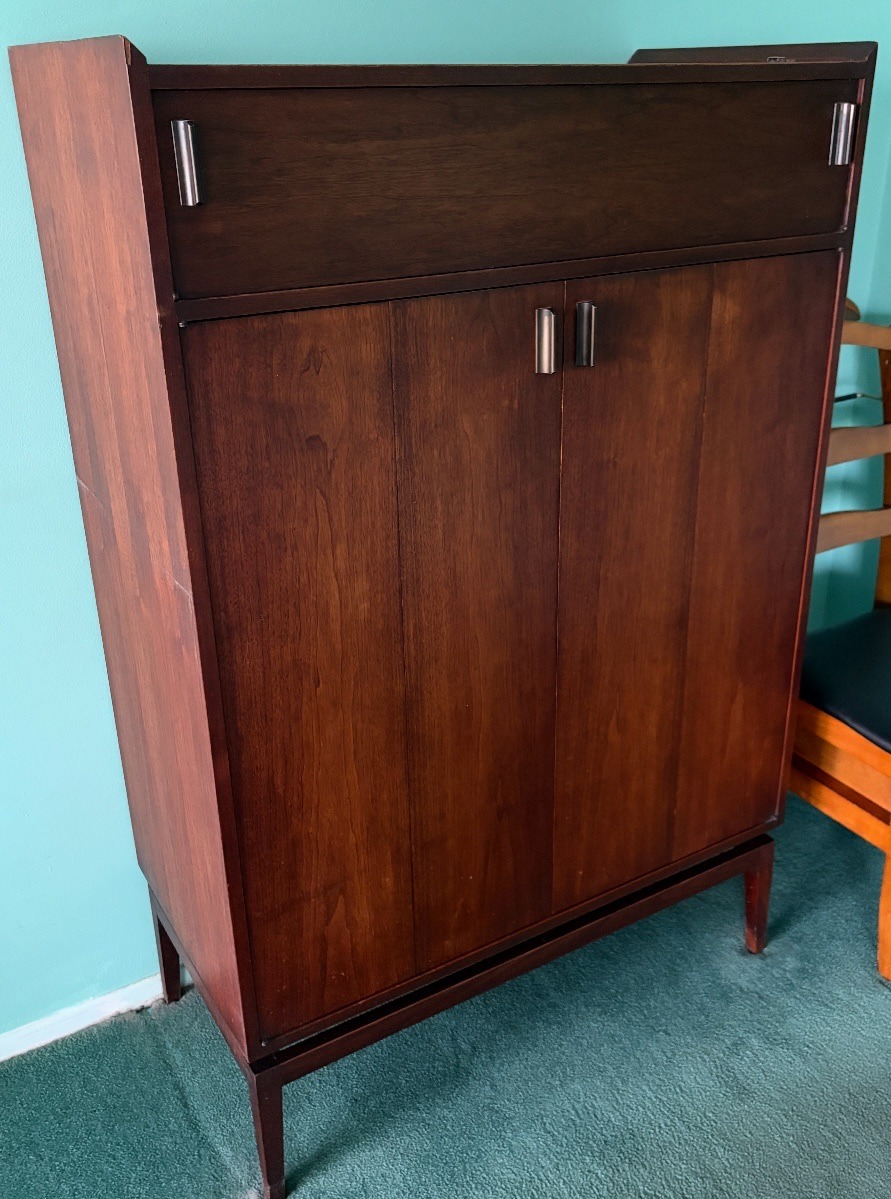
Submitted item photo
Submitted photo · June 13, 2026

User's notes

No additional notes provided.

AI analysis below

AI appraisal

AI analysis & estimate

AI-Generated · Verify before acting

Everything below is generated by AI for informational purposes only. AI can make mistakes — the AI may misidentify items or misattribute them (artist, maker, brand, designer, origin, era). This is not an official valuation and should not be used for insurance, sale, tax, estate, legal, or lending purposes — or any decision requiring a certified appraisal. It is not an authoritative claim about any person, brand, or rights holder — do not share or rely on it as a factual statement about a third party. Always consult qualified professionals before making financial decisions.

Read the full disclaimer

AI Identification

·Not independently authenticated·Verify before acting

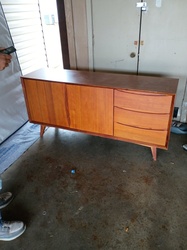
Mid-Century Modern Walnut Gentleman's Chest / Highboy Dresser

Furniture

AI Estimated Value

·Not an official valuation·Verify before acting

$800 - $1,200

As of June 13, 2026

AI Item Analysis

·AI can make mistakes·Verify before acting
This is a tall, Mid-Century Modern mahogany or walnut-veneered gentleman’s chest, likely dating from the 1960s. The piece features a distinct two-tiered storage configuration: a smaller top compartment with a drop-down or sliding door and a large lower cabinet with double vertical doors. It is constructed with a dark, warm-toned wood veneer showing various grain patterns. Notable architectural elements include raised 'fin' or gallery edges on the top sides and four tall, tapered legs connected by a recessed stretcher base, providing an airy, elevated aesthetic. The hardware consists of four brushed metal (likely nickel or aluminum) columnar pulls. Regarding condition, there is visible wear consistent with age, including scuffing and finish loss along the left vertical edge, scratches on the left side panel, and minor chipping on the base of the legs. The wood finish appears somewhat dry and could benefit from oiling. While no maker's mark is visible in the photo, the minimalist design, geometric silhouette, and hardware style are characteristic of American manufacturers from the era, such as Lane, American of Martinsville, or Bassett. The overall craftsmanship displays the clean lines and functionalist approach typical of the 20th-century modern period.
AI Appraisal Report

·AI can make mistakes·Verify before acting
I have conducted a visual examination of this Mid-Century Modern mahogany/walnut gentleman’s chest. The piece is a classic example of 1960s American mass-market modernism. While the design echoes the 'Dania' line by American of Martinsville or certain Bassett collections, the lack of a visible maker’s mark suggests it could be a boutique manufacturer or a department store private label from the era. The construction features a two-tiered cabinet design with distinctive 'fin' gallery edges and a robust braced stretcher base, which remains highly desirable in the current vintage market. Condition-wise, the piece shows honest wear. There is significant scuffing and localized finish loss on the left vertical stile and side panel. The wood appears dry, indicating the original lacquer has thinned, and the lower legs show minor impact chipping. Despite these flaws, the structural integrity appears sound, and the original columnar hardware is intact, which is critical for value. The current market for MCM storage pieces remains strong, with high demand for 'highboy' profiles due to their efficient footprint. Comparables for unmarked American walnut chests in this condition typically sell between $700 and $1,100 at vintage boutiques, potentially more if refinished. Because this appraisal is based on images alone, I cannot verify the type of joinery (e.g., dovetailing) or the substrate material (solid wood vs. particle board), which affects durability and value. A physical inspection is required to confirm the presence of stamps inside drawers or on the back panel to definitively identify the manufacturer. Full authentication would require provenance documentation or a confirmed catalog match to a specific designer or production line.

Get your items appraised

Instant estimates of your treasures with AI-powered appraisals

Browse More Appraisals