AI Appraisal Estimate

AI-generated estimates · not official valuations

From the user

What was submitted

Photo and notes provided by the user — not generated by AI

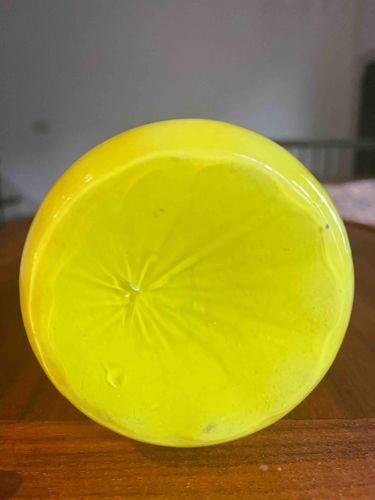
Submitted item photo
Submitted photo · June 23, 2026

User's notes

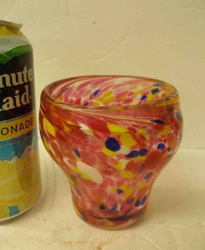
Art deco yellow and blue vase

AI analysis below

AI appraisal

AI analysis & estimate

AI-Generated · Verify before acting

Everything below is generated by AI for informational purposes only. AI can make mistakes — the AI may misidentify items or misattribute them (artist, maker, brand, designer, origin, era). This is not an official valuation and should not be used for insurance, sale, tax, estate, legal, or lending purposes — or any decision requiring a certified appraisal. It is not an authoritative claim about any person, brand, or rights holder — do not share or rely on it as a factual statement about a third party. Always consult qualified professionals before making financial decisions.

Note

This analysis also relies on unverified notes provided by the user, which may be incomplete or inaccurate and could affect the result.

Read the full disclaimer

AI Identification

·Not independently authenticated·Verify before acting

Art Deco Yellow Case Glass Vase Base

Art Glass / Decorative Collectibles

AI Estimated Value

·Not an official valuation·Verify before acting

$125.00-$175.00

As of June 23, 2026

AI Item Analysis

·AI can make mistakes·Verify before acting
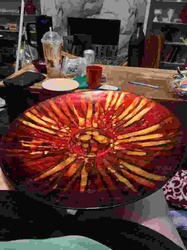
This item is the base of a hand-blown glass vase, exhibiting a vibrant yellow hue characteristic of Art Deco period glassware. The view from the underside reveals a polished or ground-out pontil mark at the center, surrounded by a distinct starburst or radiated rib pattern molded into the glass. This textured pattern provides both structural stability and visual interest. The glass appears to be cased, with a thick yellow outer layer over a possibly white or clear interior. The color is consistent and saturated throughout the circular base. In terms of condition, there are visible surface artifacts including small dark inclusions or carbon spots within the glass melt and light surface scratches consistent with age and use on a tabletop. There are no significant chips or cracks apparent from this angle. The craftsmanship suggests a mid-20th-century production, likely European (potentially Bohemian or French) given the bold color palette and geometric ribbing. The overall quality reflects a mass-produced yet high-standard decorative piece from the 1920s to 1940s, embodying the transition from traditional glassmaking to modernist aesthetics.
AI Appraisal Report

·AI can make mistakes·Verify before acting
I have carefully examined the provided images and descriptions of this Art Deco cased glass vase. The item displays characteristic hallmarks of early-to-mid 20th-century European production, specifically consistent with Bohemian (Czech) or perhaps Belgian (Val Saint Lambert) attribution. The vibrant yellow cased over blue or white glass, combined with the ground-out pontil and molded starburst base, reflects the high-quality craftsmanship of the 1930s era. The condition appears fair to good; while the carbon inclusions and minor surface scratches are expected for period glass, they do limit the piece from being considered 'mint.' The market for unsigned Art Deco glassware remains steady, though values are currently driven by decorative appeal rather than rarity. Comparables for similar bipart-color cased glass vessels typically realize prices in the $100 to $200 range at boutique auctions. The presence of inclusions suggests a production environment where raw material purity was secondary to form and color, typical of mid-market decorative glass from this period. Limitations to this appraisal include the inability to inspect for microscopic chips along the rim or base edges, which are common and would decrease value. A full physical examination for a signature or acid-etched mark, as well as checking the glass under a UV light to identify specific mineral additives used in regional factories, would be necessary for a definitive origin attribution. Provenance regarding the original manufacturer (such as Moser or Kralik) would significantly increase the valuation, but without a mark, it remains appraised as a high-quality decorative collectible.

Get your items appraised

Instant estimates of your treasures with AI-powered appraisals

Browse More Appraisals