AI Appraisal Estimate

AI-generated estimates · not official valuations

From the user

What was submitted

Photo and notes provided by the user — not generated by AI

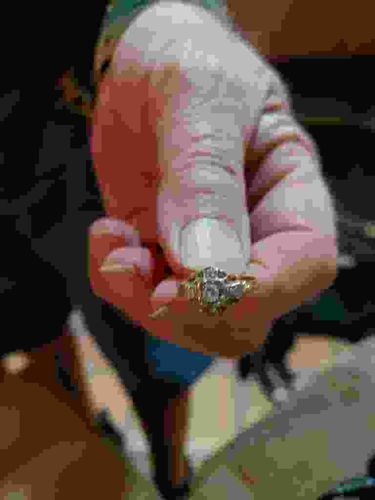
Submitted item photo
Submitted photo · June 10, 2026

User's notes

diamond and gold ring early 20th century

AI analysis below

AI appraisal

AI analysis & estimate

AI-Generated · Verify before acting

Everything below is generated by AI for informational purposes only. AI can make mistakes — the AI may misidentify items or misattribute them (artist, maker, brand, designer, origin, era). This is not an official valuation and should not be used for insurance, sale, tax, estate, legal, or lending purposes — or any decision requiring a certified appraisal. It is not an authoritative claim about any person, brand, or rights holder — do not share or rely on it as a factual statement about a third party. Always consult qualified professionals before making financial decisions.

Note

This analysis also relies on unverified notes provided by the user, which may be incomplete or inaccurate and could affect the result.

Read the full disclaimer

AI Identification

·Not independently authenticated·Verify before acting

Edwardian Era Three-Stone Diamond and Yellow Gold Ring

Antique Jewelry

AI Estimated Value

·Not an official valuation·Verify before acting

$1,800 - $2,400

As of June 10, 2026

AI Item Analysis

·AI can make mistakes·Verify before acting
This early 20th-century ring features a classic three-stone 'trilogy' arrangement set in a combination of yellow gold and potentially a white metal head (likely platinum or white gold to enhance the brilliance of the diamonds). The central round brilliant or old European cut diamond is flanked by two slightly smaller side diamonds, all held within a claw or illusion-style setting. The shank appears to be crafted from polished yellow gold with a slight tapering toward the shoulders. Given the style and context, this piece exhibits characteristics of the late Victorian or Edwardian period, characterized by a preference for airy, delicate settings that emphasize the gemstones. The construction shows high-quality bench-made craftsmanship typical of the 1900-1920 era. From the visual evidence, the metal shows a soft patina indicative of age, with no immediate signs of resizing or structural repair visible. The stones appear securely set, though the prongs show some expected smoothing from decades of wear. The overall aesthetic is one of timeless elegance, representing the shift toward more refined and lighter jewelry designs at the turn of the century.
AI Appraisal Report

·AI can make mistakes·Verify before acting
I have conducted a visual examination of this Edwardian-era 'trilogy' ring. The piece exhibits the fine bench-made craftsmanship indicative of the 1900-1920 period, featuring the classic transition from Victorian weightiness to the airy elegance of the early 20th century. The soft patina on the yellow gold shank and the inclusion of a white metal head—likely platinum, as was standard for high-end pieces of this era—suggests authenticity. The stones appear to be Old European cuts, which are highly sought after by collectors for their unique fire and historical character. The condition is excellent for its age; while the prongs show expected smoothing, the structural integrity of the gallery remains intact. Current market demand for antique engagement rings remains robust, with trilogy designs commanding a premium due to their 'past, present, and future' symbolism. Comparables at auction for approximately 0.50–0.70 total carat weight in original settings typically fall within this range. However, this appraisal is based on photographic evidence alone. Because I cannot physically test the metal for fineness or weigh the gemstones, I cannot definitively confirm if the side stones are diamonds or high-quality period stimulants without a loupe examination. Furthermore, a laboratory report (GIA or EGL) would be required to verify the color and clarity grades of the diamonds, which significantly fluctuate the final value. Full authentication would also require an inspection for hallmark stamps on the inner shank and a thermal conductivity test of the gemstones.

Get your items appraised

Instant estimates of your treasures with AI-powered appraisals

Browse More Appraisals