AI Appraisal Estimate

AI-generated estimates · not official valuations

From the user

What was submitted

Photo and notes provided by the user — not generated by AI

Submitted item photo
Submitted photo · June 27, 2026

User's notes

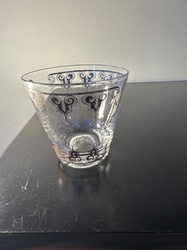
Glass dish

AI analysis below

AI appraisal

AI analysis & estimate

AI-Generated · Verify before acting

Everything below is generated by AI for informational purposes only. AI can make mistakes — the AI may misidentify items or misattribute them (artist, maker, brand, designer, origin, era). This is not an official valuation and should not be used for insurance, sale, tax, estate, legal, or lending purposes — or any decision requiring a certified appraisal. It is not an authoritative claim about any person, brand, or rights holder — do not share or rely on it as a factual statement about a third party. Always consult qualified professionals before making financial decisions.

Note

This analysis also relies on unverified notes provided by the user, which may be incomplete or inaccurate and could affect the result.

Read the full disclaimer

AI Identification

·Not independently authenticated·Verify before acting

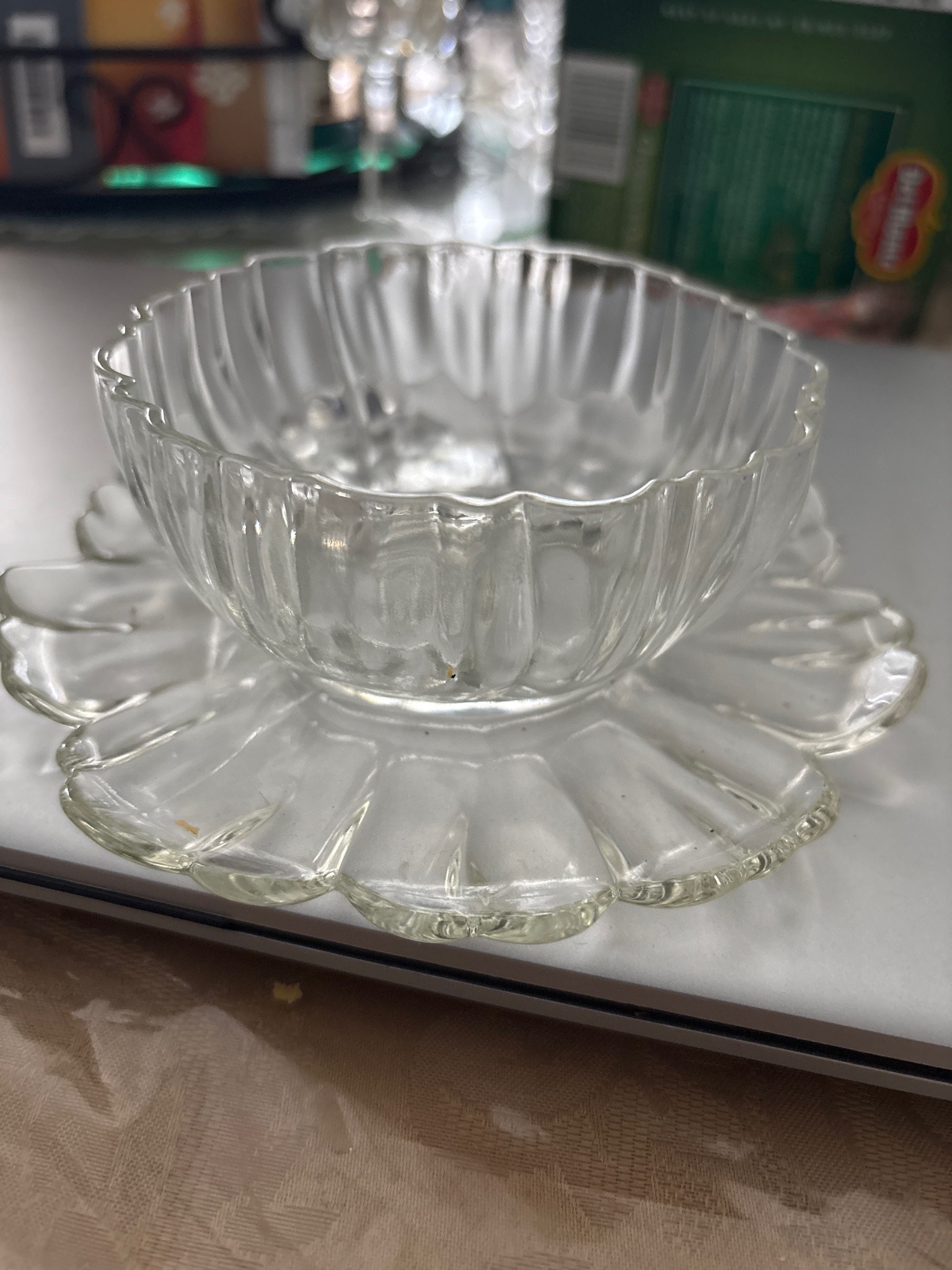
Pressed Glass Scalloped Dessert Bowl and Saucer Set

Vintage Glassware

AI Estimated Value

·Not an official valuation·Verify before acting

$15-$25

As of June 27, 2026

AI Item Analysis

·AI can make mistakes·Verify before acting
This is a two-piece vintage pressed glass set consisting of a small dessert bowl and a matching underplate or saucer. The item is constructed from clear, transparent soda-lime glass with a distinct ribbed or 'paneled' texture. The bowl features a rounded, deep body with vertical fluting that terminates in a wavy, scalloped rim. The saucer shares this aesthetic, presenting as a wide, flat flange with deep radial ribs and a pronounced lobed or petal-like edge. Estimated to be from the mid-20th century, likely between the 1940s and 1960s, the design reflects common 'Depression-style' or mid-century utility glassware. The glass appears to have a slight yellowish or gray tint typical of mass-produced commercial glass of that era. There are no immediate maker's marks visible in the photograph, though such pieces were common from manufacturers like Anchor Hocking or Federal Glass. Condition-wise, the glass remains clear with no major cracks or large chips observed, though fine surface scratches and minor flea bites along the sharp scalloped edges are common for its age. The craftsmanship is utilitarian yet elegant, featuring thick walls designed for durability in a domestic setting.

AI Appraisal Report

·AI can make mistakes·Verify before acting
Based on my visual examination of this two-piece pressed glass dessert set, I have determined it to be a representative example of mid-20th-century mass-produced utility glassware. The set, consisting of a deep fluted bowl and a matching radial-ribbed saucer, displays the characteristic 'straw' or slight gray tint typical of soda-lime glass produced during the 1940s-1960s. The scalloped edges and paneled texture align with patterns produced by major American manufacturers such as Federal Glass or Anchor Hocking. The condition appears fair to good for its age; while the glass remains clear, the presence of minor 'flea bites' and surface abrasions noted in the description is typical for items of this utility grade. The market for this specific type of glassware is currently saturated, as these sets were manufactured in high volumes. Consequently, rarity is low, and demand is primarily driven by 'shabby chic' decor enthusiasts or those replacing pieces in existing sets. The valuation reflects current secondary market trends for unbranded Depression-era style glass. Please note that this appraisal is based on photographic evidence alone. A definitive authentication and valuation would require an in-person physical inspection to check for specific maker's marks on the base, evaluate the 'ring' of the glass for lead content, and use UV light testing to identify specific chemical signatures (such as manganese) which provide more accurate dating. Provenance documentation regarding the original purchase or previous ownership would also be necessary to elevate the item's historical value beyond its utilitarian price point.

Get your items appraised

Instant estimates of your treasures with AI-powered appraisals

Browse More Appraisals