Lower Paleolithic Style Chert Biface Hand Axe Scraper
Lithic Artifacts / Prehistoric Stone Tools

Lower Paleolithic Style Chert Biface Hand Axe Scraper

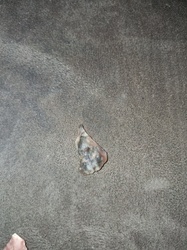
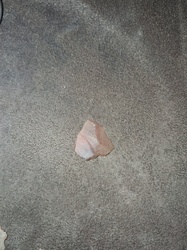
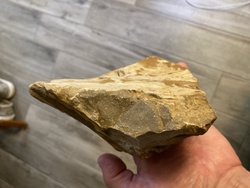
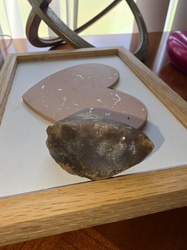
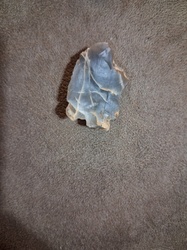
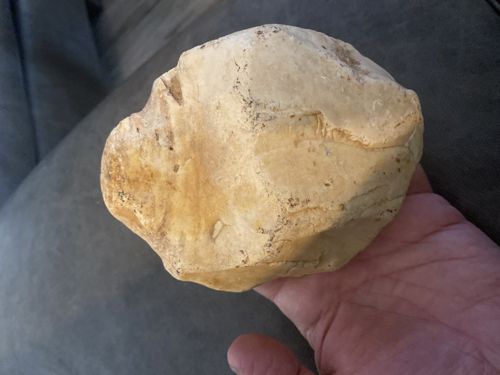
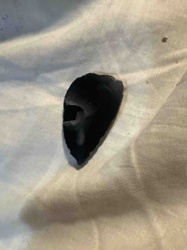
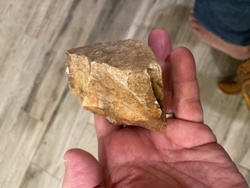
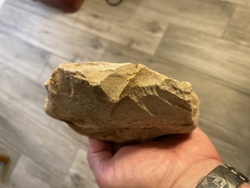
This specimen is a lithic artifact measuring approximately 5 inches by 4 inches, discovered in Guthrie, Oklahoma. It is constructed from a dense, tan-to-ochre colored chert, exhibiting characteristic mineral patina and localized iron staining consistent with long-term burial in soil. The object features a bifacial design, indicating that material has been intentionally flaked from both sides to create a functional cutting or scraping edge. The primary physical characteristic is its substantial, ergonomic shape, crafted to fit comfortably in a human palm. Notable features include prominent flake scars and a sinuous edge typical of percussion flaking techniques. The condition shows significant weathering and smoothed edges, suggesting it may have been subject to hydraulic action or long-term environmental exposure. While categorized by the finder as Lower Paleolithic, the specific typology in the context of Oklahoma would typically suggest a much later archaic period or a pre-form tool blank. The craftsmanship reflects a utilitarian focus, with a heavy 'cortex' or outer skin still visible on portions of the stone, providing a glimpse into the reductive manufacturing process used by early inhabitants to create multipurpose tools for butchery or hide scraping.
Estimated Value

$75.00 - $125.00

Basic Information

Category

Lithic Artifacts / Prehistoric Stone Tools

Appraised On

February 19, 2026

Estimated Value

$75.00 - $125.00

Additional Details Provided By Owner

User Provided Information

Lower Paleolithic Chert bi face hand axe scraper tool found in Guthrie OK measuring 5" x 4"

Item Description

This specimen is a lithic artifact measuring approximately 5 inches by 4 inches, discovered in Guthrie, Oklahoma. It is constructed from a dense, tan-to-ochre colored chert, exhibiting characteristic mineral patina and localized iron staining consistent with long-term burial in soil. The object features a bifacial design, indicating that material has been intentionally flaked from both sides to create a functional cutting or scraping edge. The primary physical characteristic is its substantial, ergonomic shape, crafted to fit comfortably in a human palm. Notable features include prominent flake scars and a sinuous edge typical of percussion flaking techniques. The condition shows significant weathering and smoothed edges, suggesting it may have been subject to hydraulic action or long-term environmental exposure. While categorized by the finder as Lower Paleolithic, the specific typology in the context of Oklahoma would typically suggest a much later archaic period or a pre-form tool blank. The craftsmanship reflects a utilitarian focus, with a heavy 'cortex' or outer skin still visible on portions of the stone, providing a glimpse into the reductive manufacturing process used by early inhabitants to create multipurpose tools for butchery or hide scraping.
Get Your Items Appraised

Instant estimates of your treasures with AI-powered instant appraisals

Browse More Appraisals