Red Slag Glass Cullet
Industrial Byproduct / Collectible Glass

Red Slag Glass Cullet

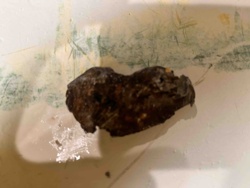
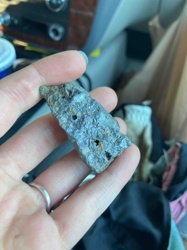
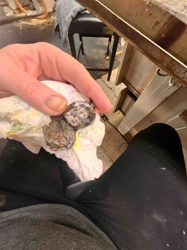
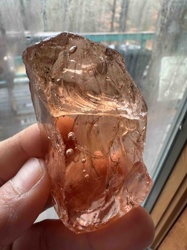
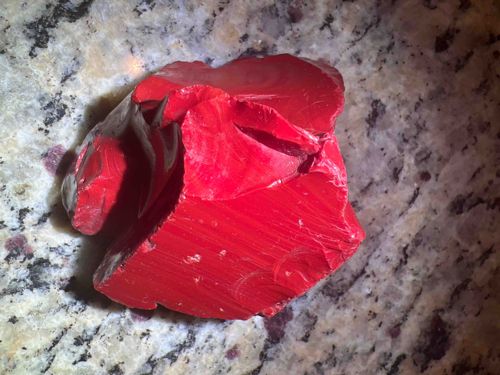
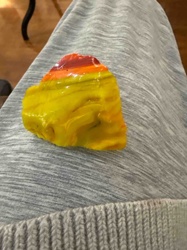
This item is an amorphous hunk of vibrant, opaque cherry-red slag glass, also commonly referred to as cullet. It measures approximately 3 to 4 inches in diameter and displays a distinct conchoidal fracture pattern across its jagged surfaces, which is a hallmark of glass or silica-based materials. The surface quality is glassy and vitreous, with a high-gloss finish where fresh breaks have occurred and a more matte, weathered texture in recessed areas. The material is notably consistent in its deep red hue, suggesting a high concentration of coloring agents (likely selenium or cadmium) used during the manufacturing of the original batch. There are no maker's marks, signatures, or stamps visible, as this is a byproduct of the industrial glass-making process. The physical condition features sharp, raw edges and numerous chips characteristic of raw scrap glass. While it has no specific 'style period,' such pieces are frequently collected as decorative garden stones or raw material for lapidary work. The craftsmanship is not applicable in the traditional sense, as this is a byproduct rather than a finished object, yet the purity and depth of the color indicate a high-quality glass melt from a mid-20th-century glasshouse.
Estimated Value

$45-65

Basic Information

Category

Industrial Byproduct / Collectible Glass

Appraised On

February 7, 2026

Estimated Value

$45-65

Item Description

This item is an amorphous hunk of vibrant, opaque cherry-red slag glass, also commonly referred to as cullet. It measures approximately 3 to 4 inches in diameter and displays a distinct conchoidal fracture pattern across its jagged surfaces, which is a hallmark of glass or silica-based materials. The surface quality is glassy and vitreous, with a high-gloss finish where fresh breaks have occurred and a more matte, weathered texture in recessed areas. The material is notably consistent in its deep red hue, suggesting a high concentration of coloring agents (likely selenium or cadmium) used during the manufacturing of the original batch. There are no maker's marks, signatures, or stamps visible, as this is a byproduct of the industrial glass-making process. The physical condition features sharp, raw edges and numerous chips characteristic of raw scrap glass. While it has no specific 'style period,' such pieces are frequently collected as decorative garden stones or raw material for lapidary work. The craftsmanship is not applicable in the traditional sense, as this is a byproduct rather than a finished object, yet the purity and depth of the color indicate a high-quality glass melt from a mid-20th-century glasshouse.
Get Your Items Appraised

Instant estimates of your treasures with AI-powered instant appraisals

Browse More Appraisals