AI Appraisal Estimate

AI-generated estimates · not official valuations

From the user

What was submitted

Photo and notes provided by the user — not generated by AI

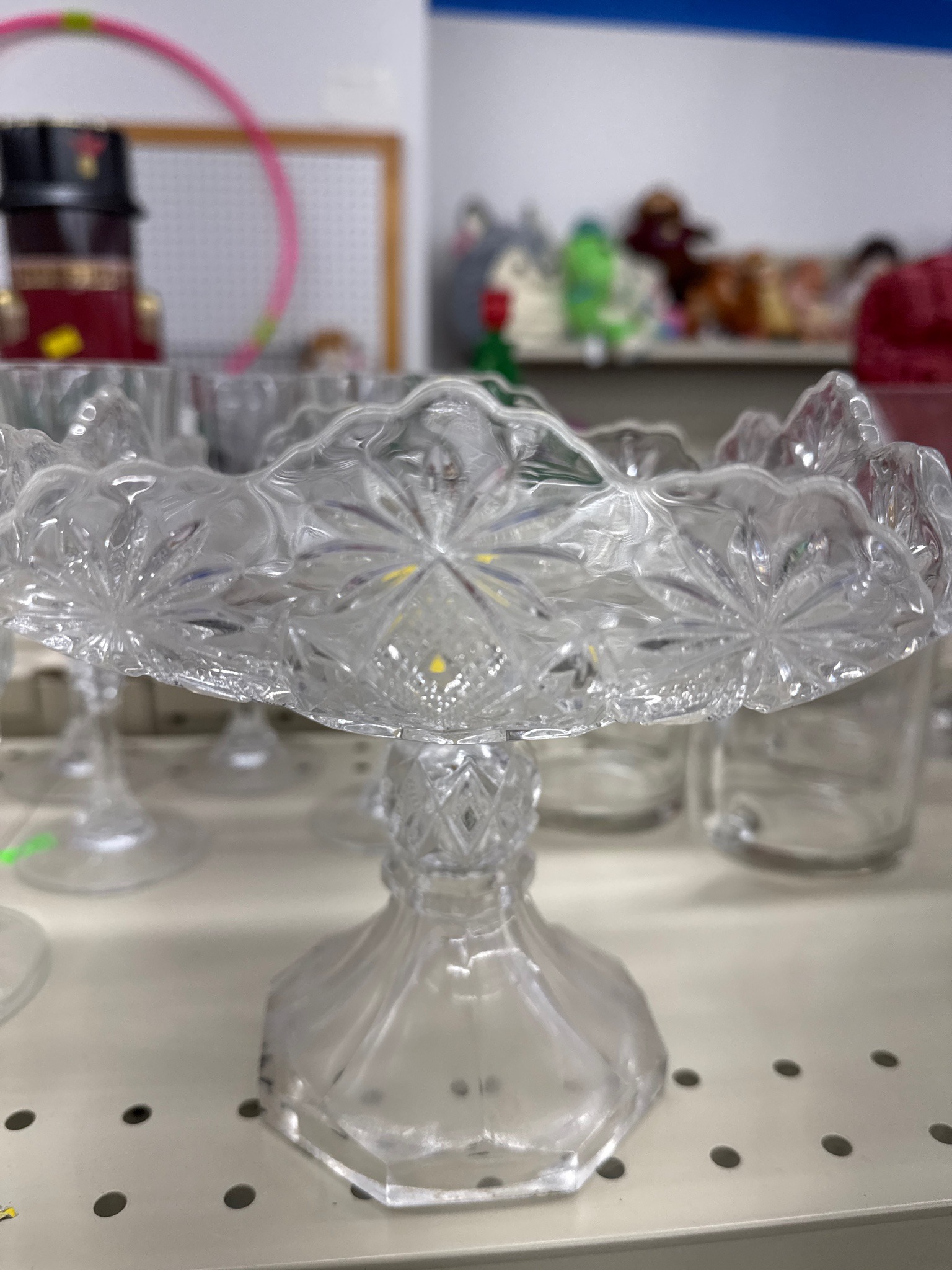
Submitted item photo
Submitted photo · June 10, 2026

User's notes

No additional notes provided.

AI analysis below

AI appraisal

AI analysis & estimate

AI-Generated · Verify before acting

Everything below is generated by AI for informational purposes only. AI can make mistakes — the AI may misidentify items or misattribute them (artist, maker, brand, designer, origin, era). This is not an official valuation and should not be used for insurance, sale, tax, estate, legal, or lending purposes — or any decision requiring a certified appraisal. It is not an authoritative claim about any person, brand, or rights holder — do not share or rely on it as a factual statement about a third party. Always consult qualified professionals before making financial decisions.

Read the full disclaimer

AI Identification

·Not independently authenticated·Verify before acting

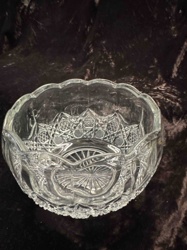
Early American Pressed Glass (EAPG) Pedestal Compote

Antique Glassware / Collectible Tableware

AI Estimated Value

·Not an official valuation·Verify before acting

$45.00 - $65.00

As of June 10, 2026

AI Item Analysis

·AI can make mistakes·Verify before acting
This item is an antique or vintage pedestal compote, also known as a footed candy dish, crafted from clear Pressed Glass, likely in the Early American Pressed Glass (EAPG) style. The dish features a shallow, scalloped-edge bowl adorned with a repeating 'Star and Fan' or 'Sunburst' motif, characterized by deep intaglio cuts that create a multifaceted surface intended to mimic lead crystal. The bowl is supported by a multi-part stem; the upper portion of the stem features a diamond-quilted or wafer-style knop that provides a textured transition to the pedestal base. The base itself is a hexagonal or octagonal flaring foot, which is smooth compared to the ornate bowl, a common design choice for late 19th to early 20th-century glassware. Physically, the item appears to be made of heavy soda-lime glass, exhibiting the slight gray or yellowish tint typical of older pressings rather than the brilliant white of modern high-lead crystal. The construction shows distinct mold seams on the base and stem, confirming it is pressed glass and not hand-cut. Regarding condition, the glass shows general surface wear consistent with age, including light scuffs on the underside of the base. No major chips or cracks are visible in the high-relief areas of the bowl, though minor 'flea bites' along the sharp scalloped rim are typical for this type of utilitarian decorative ware. The style suggests a manufacturing date between 1890 and 1920, reminiscent of patterns produced by companies like United States Glass Company or Imperial Glass. The craftsmanship is robust, designed for both display and functional use on a Victorian or Edwardian dining table.
AI Appraisal Report

·AI can make mistakes·Verify before acting
Upon visual examination of this Early American Pressed Glass (EAPG) pedestal compote, I have identified it as a late Victorian era production, circa 1895-1915. The 'Star and Fan' motif and the 'wafer' knop stem are hallmarks of high-utility pressed glass from the 'Brilliant Period' transition. The mold seams and the characteristic soda-lime tint confirm this is a pressed piece rather than hand-cut lead crystal. The condition appears fair to good; while the primary structure is intact, the mentioned 'flea bites' on the scalloped rim and shelf wear on the base are typical for its age but do cause a minor reduction in value compared to mint specimens. The current market for EAPG has seen a stabilization at lower price points as collector demographics shift; however, functional items like compotes remain popular for 'shabby chic' and vintage-style decor. Comparables for similar patterns by the U.S. Glass Co. or Imperial typically realize between $40 and $75 at auction or secondary retail. The mass-produced nature of these molds means rarity is low, but the visual appeal remains high. Limitations: This appraisal is based solely on digital imagery. A physical examination under UV light (to check for manganese fluorescence) is required to definitively confirm the age and chemical composition. I would also need to feel the edges to distinguish between factory-fire polishing and later repairs. No provenance was provided; historical documentation of ownership would be required to elevate the item's status from a decorative object to a pedigree collectible.

Get your items appraised

Instant estimates of your treasures with AI-powered appraisals

Browse More Appraisals