Excavated Ornate Signet or Intaglio Ring
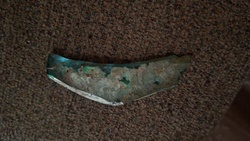
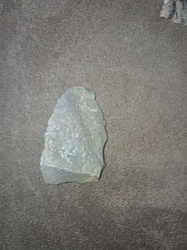
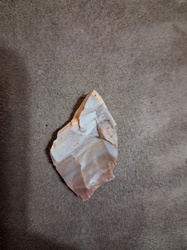
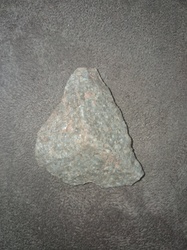
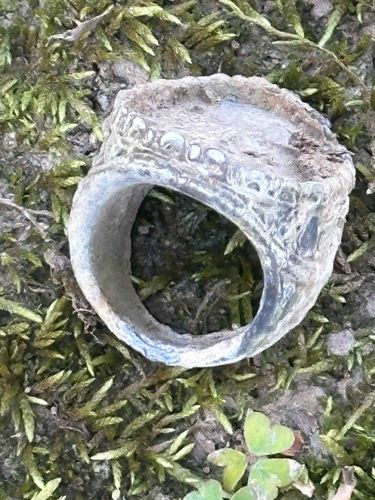
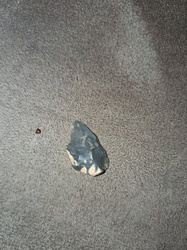
This is a heavily corroded and encrusted metal ring, likely made of a copper alloy such as bronze or brass, featuring an ornate signet-style design. The ring has a wide, chunky shank that tapers slightly and a prominent raised bezel or face. The exterior of the band and the area around the bezel are decorated with intricate casting work, including a repetitive circular or scalloped pattern along the upper edge of the face. The central face of the ring appears flat, indicating it may have once held a stone, glass paste, or was engraved as a signet, though it is currently covered in soil and mineral deposits. In terms of condition, the piece shows significant environmental wear consistent with long-term burial in soil. It exhibits deep-seated oxidation, crusting, and a thick patina that obscures much of the fine detail. There are no immediate maker's marks or hallmarks visible due to the corrosion. Based on the bulky, cast construction and the decorative style, this item likely dates between the medieval and early modern periods (15th–17th centuries), a common era for such heavy ornamental rings. The craftsmanship suggests a cast production method followed by hand-finishing or engraving, though the current state of conservation makes final determination difficult.
AI-Generated Appraisal Disclaimer
Estimated Value
$450 - $700
Basic Information
Category
Antique Jewelry / Archaeological Artifacts
Appraised On
March 24, 2026
Estimated Value
$450 - $700
Item Description
This is a heavily corroded and encrusted metal ring, likely made of a copper alloy such as bronze or brass, featuring an ornate signet-style design. The ring has a wide, chunky shank that tapers slightly and a prominent raised bezel or face. The exterior of the band and the area around the bezel are decorated with intricate casting work, including a repetitive circular or scalloped pattern along the upper edge of the face. The central face of the ring appears flat, indicating it may have once held a stone, glass paste, or was engraved as a signet, though it is currently covered in soil and mineral deposits. In terms of condition, the piece shows significant environmental wear consistent with long-term burial in soil. It exhibits deep-seated oxidation, crusting, and a thick patina that obscures much of the fine detail. There are no immediate maker's marks or hallmarks visible due to the corrosion. Based on the bulky, cast construction and the decorative style, this item likely dates between the medieval and early modern periods (15th–17th centuries), a common era for such heavy ornamental rings. The craftsmanship suggests a cast production method followed by hand-finishing or engraving, though the current state of conservation makes final determination difficult.
Get Your Items Appraised
Instant estimates of your treasures with AI-powered instant appraisals