AI Appraisal Estimate

AI-generated estimates · not official valuations

From the user

What was submitted

Photo and notes provided by the user — not generated by AI

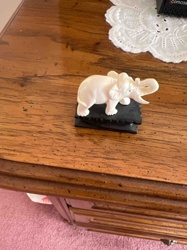
Submitted item photo
Submitted photo · June 17, 2026

User's notes

Japan

AI analysis below

AI appraisal

AI analysis & estimate

AI-Generated · Verify before acting

Everything below is generated by AI for informational purposes only. AI can make mistakes — the AI may misidentify items or misattribute them (artist, maker, brand, designer, origin, era). This is not an official valuation and should not be used for insurance, sale, tax, estate, legal, or lending purposes — or any decision requiring a certified appraisal. It is not an authoritative claim about any person, brand, or rights holder — do not share or rely on it as a factual statement about a third party. Always consult qualified professionals before making financial decisions.

Note

This analysis also relies on unverified notes provided by the user, which may be incomplete or inaccurate and could affect the result.

Read the full disclaimer

AI Identification

·Not independently authenticated·Verify before acting

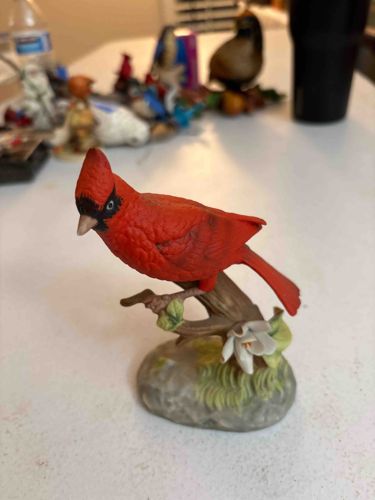
Vintage Japanese Bisque Porcelain Northern Cardinal Figurine

Collectibles / Decorative Arts

AI Estimated Value

·Not an official valuation·Verify before acting

$25 - $45

As of June 17, 2026

AI Item Analysis

·AI can make mistakes·Verify before acting
This is a vintage hand-painted bisque (unglazed) porcelain figurine depicting a male Northern Cardinal perched atop a wooden branch. The bird is rendered in a vibrant tomato-red palette with a characteristic black facial mask around a conical, pale-grey beak and a prominent crest. The feathers are detailed with molded textures on the wings and tail. The base features a naturalistic branch with green leaves and a single white flower, likely a dogwood or magnolia blossom, resting on a textured grey and green stony base. Typical of mid-20th-century Japanese imports (circa 1950s-1970s), the piece shows delicate craftsmanship. Condition-wise, it appears to be in good vintage state, though there is a visible layer of surface dust and minor grime in the crevices of the feathers and blossoms, which is common for matte bisque finishes as they are porous. There are no immediate signs of chips on the fragile flower petals or beak, which are common points of failure for these items. While specific maker's marks are not visible in the photo, the style is highly indicative of manufacturers like Lefton, Enesco, or Homco that sourced heavily from Japanese porcelain factories during this period.
AI Appraisal Report

·AI can make mistakes·Verify before acting
Based on my visual examination of this vintage Northern Cardinal figurine, I find it to be a classic example of mid-century Japanese bisque porcelain export ware. The matte finish and detailed molding are characteristic of the 1950s–1970s era, likely produced by firms such as Lefton or Homco. The condition appears fair to good; however, the presence of surface grime is a concern for bisque items, as the porous nature of unglazed porcelain can allow oils and dust to penetrate the surface, potentially leading to permanent staining if not professionally cleaned. While I observe no chips on the delicate floral elements or the beak, these 'high-break' areas must be inspected tactilely to rule out structural repairs or professional restorations that are often invisible in photographs. The market for these particular bird figurines is currently saturated. While they retain sentimental value and remain popular among traditional collectors, they are not rare. Comparable sales for similar Japanese imports typically fall in the $20 to $50 range depending on the complexity of the base and the specific manufacturer's mark. The lack of a visible backstamp (such as a 'Made in Japan' foil sticker or stamped logo) slightly limits the upper-end valuation. Without a physical inspection, I cannot confirm the absence of hairline fractures or verify the chemical composition of the paints used. Full authentication would require an in-person loupe examination for micro-chips and a UV light test to detect hidden adhesives or overpainting. Provenance documentation would further clarify which specific kiln produced the piece, though it would not significantly alter the market value for this category of decorative art.

Get your items appraised

Instant estimates of your treasures with AI-powered appraisals

Browse More Appraisals