Prehistoric Chert Scraper Multi-tool
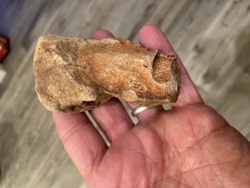
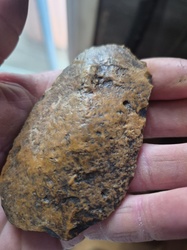
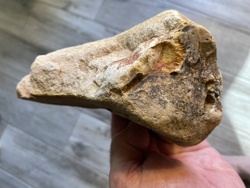
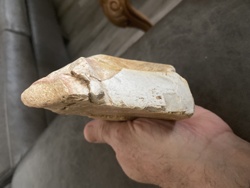
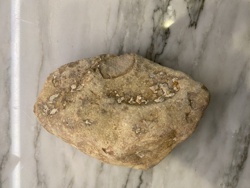
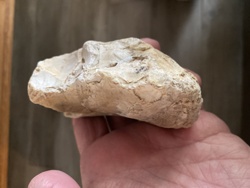
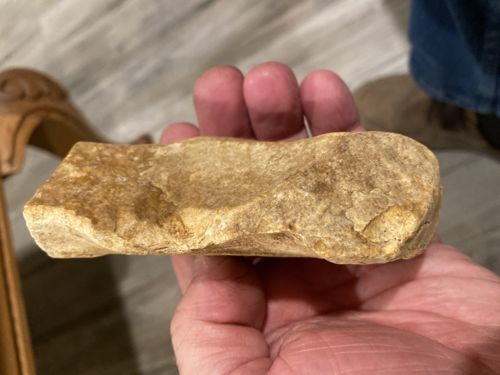
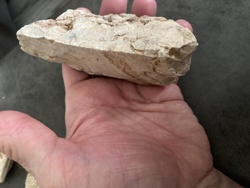
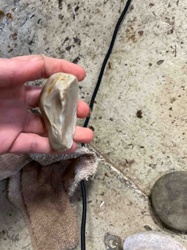
This is a prehistoric stone tool, identified as a hand scraper or multi-tool, recovered from Guthrie, Oklahoma. Measuring approximately 4.75 by 2 inches, the specimen is composed of a dense, tan-to-ochre colored chert (likely Kay County or similar regional flint). The tool exhibits significant unifacial and marginal retouching along its primary working edges, which were meticulously flaked to create a localized sharp edge for scraping hides or processing plant material. Its physical construction is characterized by a robust, thick cross-section which allowed for high-pressure manual use without fracturing. The surface shows a distinct prehistoric patina and 'desert varnish' developed over centuries, along with visible percussion scars and bulb of percussion remnants from the original knapping process. Notable features include a slightly concave side that suggests use as a spokeshave and a rounded distal end consistent with end-scraper functionality. The condition is excellent for a lithic artifact of this age, showing only minor post-depositional edge wear and no modern breaks. While no specific maker's mark exists, the flaking pattern and material are consistent with indigenous lithic traditions of the Great Plains region typically associated with the Late Archaic to Woodland periods. The craftsmanship indicates a high level of utility and intentionality in stone selection and shape.
AI-Generated Appraisal Disclaimer
Estimated Value
$45 - $85
Basic Information
Category
Archaeological Artifacts / Lithic Tools
Appraised On
February 18, 2026
Estimated Value
$45 - $85
Additional Details Provided By Owner
User Provided Information
Found the Prehistoric chert hand multi tool scraper in Guthrie OK. The measurements are 4.75 x 2
Item Description
This is a prehistoric stone tool, identified as a hand scraper or multi-tool, recovered from Guthrie, Oklahoma. Measuring approximately 4.75 by 2 inches, the specimen is composed of a dense, tan-to-ochre colored chert (likely Kay County or similar regional flint). The tool exhibits significant unifacial and marginal retouching along its primary working edges, which were meticulously flaked to create a localized sharp edge for scraping hides or processing plant material. Its physical construction is characterized by a robust, thick cross-section which allowed for high-pressure manual use without fracturing. The surface shows a distinct prehistoric patina and 'desert varnish' developed over centuries, along with visible percussion scars and bulb of percussion remnants from the original knapping process. Notable features include a slightly concave side that suggests use as a spokeshave and a rounded distal end consistent with end-scraper functionality. The condition is excellent for a lithic artifact of this age, showing only minor post-depositional edge wear and no modern breaks. While no specific maker's mark exists, the flaking pattern and material are consistent with indigenous lithic traditions of the Great Plains region typically associated with the Late Archaic to Woodland periods. The craftsmanship indicates a high level of utility and intentionality in stone selection and shape.
Related Tags
Get Your Items Appraised
Instant estimates of your treasures with AI-powered instant appraisals