Japanese 10 Yen Bronze Coin
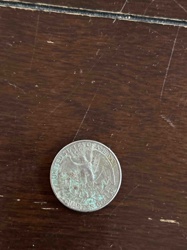
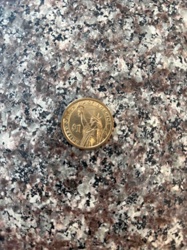
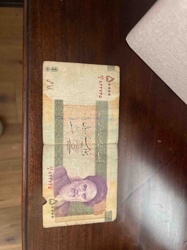
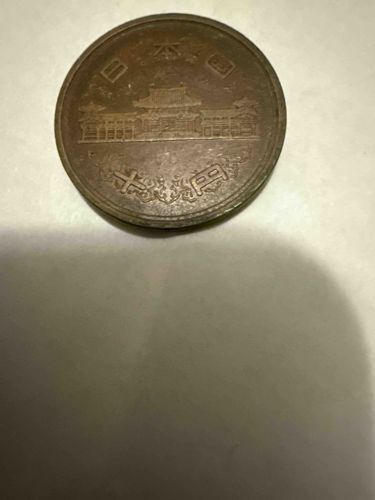
This is a standard Japanese 10 Yen coin, a circular legal tender piece composed primarily of bronze (95% copper, 3-4% zinc, and 1-2% tin). The obverse side shown in the image features a detailed relief of the Ho-o-do (Phoenix Hall) of Byodo-in Temple in Uji, Kyoto. Below the temple imagery, the denomination '10 Yen' is written in kanji (十円), flanked by an evergreen laurel wreath. Above the temple, the text 'Nippon-koku' (State of Japan) is displayed in kanji. The coin has a smooth edge and a diameter of 23.5mm with a weight of 4.5 grams. This specific specimen exhibits a darkened, chocolate-brown patina consistent with oxidation of the copper content over several decades of circulation. Notable condition issues include surface dirt, minor contact marks (bag marks), and flattened high-point relief on the temple roof due to wear. The lack of reeding on the edge suggests it is a post-1959 issue, as earlier versions (1951-1958) had serrated edges. The craftsmanship is typical of the Japan Mint's high-volume industrial production, showing clean strikes despite the apparent surface grime. This item is a common piece of modern numismatics, representative of Shōwa or Heisei era Japanese currency.
AI-Generated Appraisal Disclaimer
Estimated Value
$0.07 - $0.20
Basic Information
Category
Numismatics / Currency
Appraised On
January 10, 2026
Estimated Value
$0.07 - $0.20
Item Description
This is a standard Japanese 10 Yen coin, a circular legal tender piece composed primarily of bronze (95% copper, 3-4% zinc, and 1-2% tin). The obverse side shown in the image features a detailed relief of the Ho-o-do (Phoenix Hall) of Byodo-in Temple in Uji, Kyoto. Below the temple imagery, the denomination '10 Yen' is written in kanji (十円), flanked by an evergreen laurel wreath. Above the temple, the text 'Nippon-koku' (State of Japan) is displayed in kanji. The coin has a smooth edge and a diameter of 23.5mm with a weight of 4.5 grams. This specific specimen exhibits a darkened, chocolate-brown patina consistent with oxidation of the copper content over several decades of circulation. Notable condition issues include surface dirt, minor contact marks (bag marks), and flattened high-point relief on the temple roof due to wear. The lack of reeding on the edge suggests it is a post-1959 issue, as earlier versions (1951-1958) had serrated edges. The craftsmanship is typical of the Japan Mint's high-volume industrial production, showing clean strikes despite the apparent surface grime. This item is a common piece of modern numismatics, representative of Shōwa or Heisei era Japanese currency.
Related Tags
Get Your Items Appraised
Instant estimates of your treasures with AI-powered instant appraisals