AI Appraisal Estimate

AI-generated estimates · not official valuations

From the user

What was submitted

Photo and notes provided by the user — not generated by AI

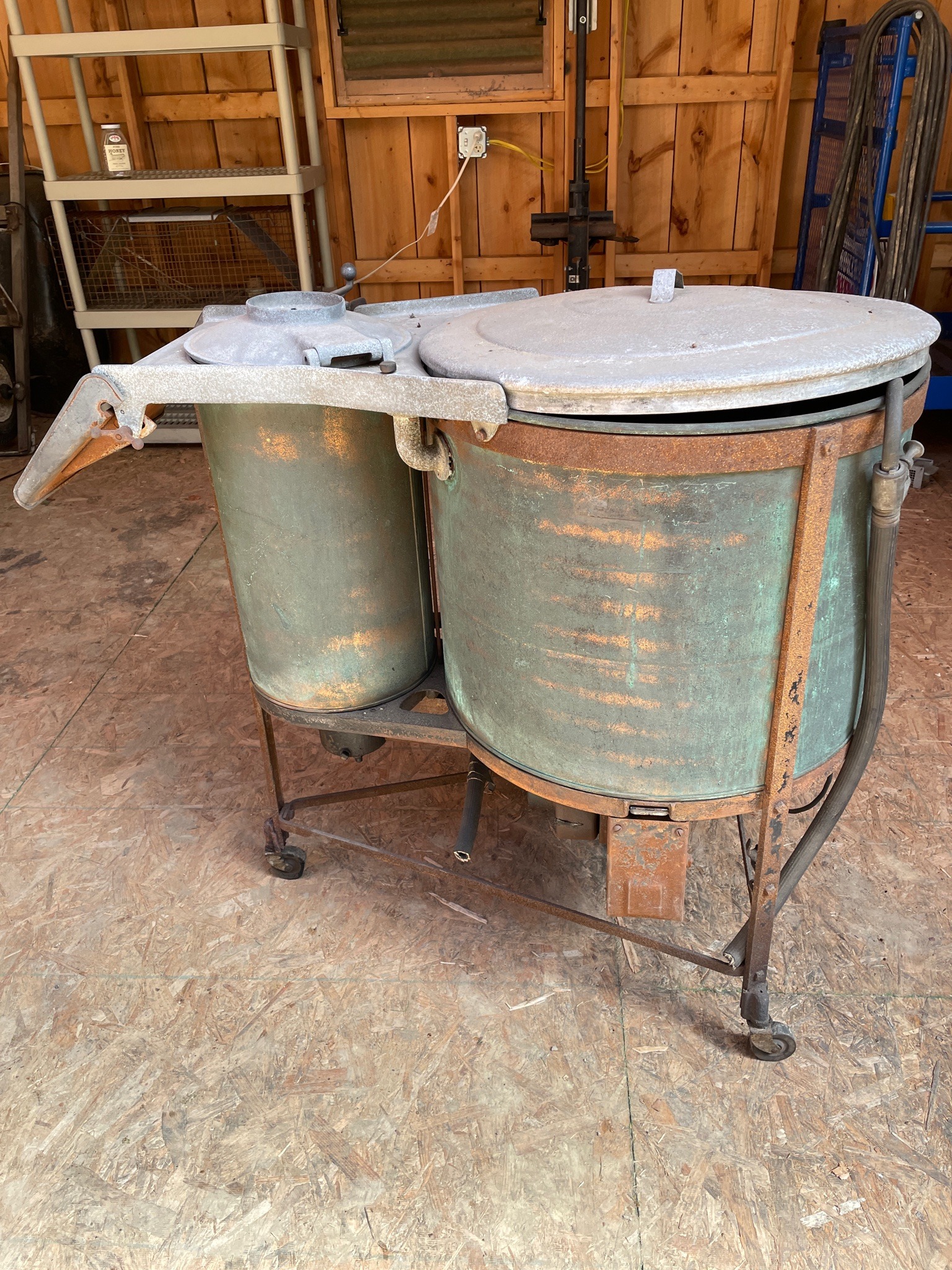
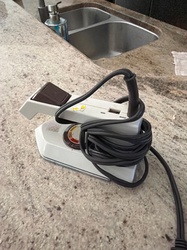
Submitted item photo
Submitted photo · June 25, 2026

User's notes

No additional notes provided.

AI analysis below

AI appraisal

AI analysis & estimate

AI-Generated · Verify before acting

Everything below is generated by AI for informational purposes only. AI can make mistakes — the AI may misidentify items or misattribute them (artist, maker, brand, designer, origin, era). This is not an official valuation and should not be used for insurance, sale, tax, estate, legal, or lending purposes — or any decision requiring a certified appraisal. It is not an authoritative claim about any person, brand, or rights holder — do not share or rely on it as a factual statement about a third party. Always consult qualified professionals before making financial decisions.

Read the full disclaimer

AI Identification

·Not independently authenticated·Verify before acting

Vintage Dexter Model 20-E 'Double Tub' Electric Washing Machine

Antique Industrial Household Appliances

AI Estimated Value

·Not an official valuation·Verify before acting

$450 - $650

As of June 25, 2026

AI Item Analysis

·AI can make mistakes·Verify before acting
This is a vintage dual-basin electric washing machine, commonly referred to as a 'Double Tub' model, manufactured by The Dexter Company of Fairfield, Iowa, likely dating from the 1920s to early 1930s. The unit features two large cylindrical basins constructed from copper, which have developed a heavy, characteristic green verdigris patina along with visible surface oxidation and rust on the supporting iron framework. The main wash tub is larger and equipped with a galvanized metal lid, while the smaller second tub served as a dedicated rinse basin or spinner zone. The machine is supported by a heavy-duty wrought iron or steel frame with integrated casters for mobility. A unique feature of this model is the integrated mechanical arm and wringer mount assembly at the top, though the rollers for the wringer appear to be missing. Notable condition issues include significant rust on the lower structural supports, motor housing, and drainage pipes, as well as pitting on the galvanized lids. The copper interiors show typical wear for their age, with some denting visible. These machines were hallmarks of early domestic automation, utilizing a single motor to drive multiple components via a series of gears and belts located beneath the tubs. This piece represents a transition in laundry technology from hand-cranked tubs to fully mechanized household appliances.
AI Appraisal Report

·AI can make mistakes·Verify before acting
Based on my visual examination of the Dexter Model 20-E 'Double Tub' washing machine, I find it to be a genuine representative of early 20th-century industrial domestic engineering. The authenticity is supported by the specific casting of the iron frame, the characteristic copper basins, and the identifying nomenclature of The Dexter Company. The condition is 'as-found' or 'relic' grade. While the copper tubs have preserved well with a desirable aged patina, the significant ferrous oxidation on the undercarriage and motor housing, combined with the missing wringer rollers, negatively impacts the value for functional collectors. However, for the industrial decor market, this patina is often seen as a virtue. Currently, the market for early electric appliances is stable but niche. Comparable sales of dual-tub Dexter models in similar unrestored condition typically range from $400 to $700. The rarity of the 20-E is moderate; while many were produced, few survive with both copper tubs intact. The primary value drivers here are the aesthetic appeal of the copper and the completeness of the mechanical drivetrain. My assessment is limited by the inability to inspect the motor's internal windings, the lead content of any solder repairs, or the structural integrity of the oxidized iron frame. A physical inspection would be required to verify if the motor is seized and to ensure no hairline fractures exist in the cast-iron gears. To fully authenticate the manufacturing date, I would need to cross-reference the serial number on the motor plate with the Fairfield, Iowa factory records.

Get your items appraised

Instant estimates of your treasures with AI-powered appraisals

Browse More Appraisals