AI Appraisal Estimate

AI-generated estimates · not official valuations

From the user

What was submitted

Photo and notes provided by the user — not generated by AI

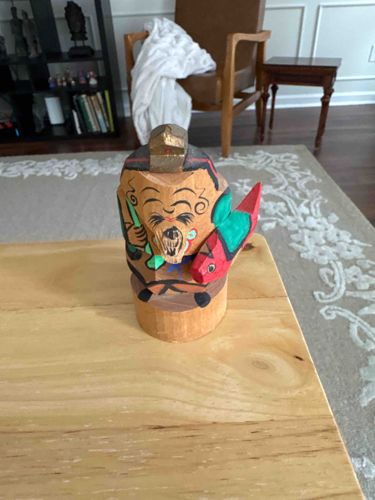
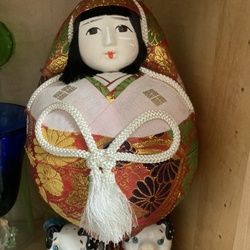
Submitted item photo
Submitted photo · May 17, 2026

User's notes

No additional notes provided.

AI analysis below

AI appraisal

AI analysis & estimate

AI-Generated · Verify before acting

Everything below is generated by AI for informational purposes only. AI can make mistakes — the AI may misidentify items or misattribute them (artist, maker, brand, designer, origin, era). This is not an official valuation and should not be used for insurance, sale, tax, estate, legal, or lending purposes — or any decision requiring a certified appraisal. It is not an authoritative claim about any person, brand, or rights holder — do not share or rely on it as a factual statement about a third party. Always consult qualified professionals before making financial decisions.

Read the full disclaimer

AI Identification

·Not independently authenticated·Verify before acting

Folk Art Wooden Ebisu Carving

Asian Decorative Arts / Folk Art

AI Estimated Value

·Not an official valuation·Verify before acting

$40–$75

As of May 17, 2026

AI Item Analysis

·AI can make mistakes·Verify before acting
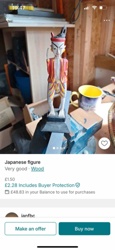
This is a hand-carved wooden figurine depicting Ebisu, one of the Japanese Seven Lucky Gods (Shichifukujin). The piece is carved from a solid block of wood, likely kokeshi wood or light-grained cedar, and stands approximately 6 to 8 inches tall. The figure is characterized by its whimsical and stylized features, including a joyous expression with a prominent open mouth, mustache, and arched eyebrows painted in black. Ebisu is shown holding his traditional attributes: a large red sea bream (tai) fish and a fishing rod. The color palette consists of primary red, green, black, and gold paint applied over the natural wood grain. Notable is the faceted, unsmoothed carving style on the base and sides, which indicates it is a Japanese folk art (Mingei) piece or a regional souvenir. The condition appears to be fair to good, with some visible fading and paint chipping, particularly on the red fish and the gold-painted hat. There is a slight patina developing on the exposed wood, suggesting a mid-to-late 20th-century production. The piece lacks any visible artist signatures on the front, typical of mass-carved folk souvenirs. The overall craftsmanship is rustic, emphasizing character and tradition over fine detail.
AI Appraisal Report

·AI can make mistakes·Verify before acting
Based on my visual examination of this piece, I identify it as a Japanese Kokeshi-style or Mingei (folk art) figurine of Ebisu, the god of fishermen and luck. The piece dates to the mid-to-late 20th century, likely the Showa period (1960s-80s), consistent with the proliferation of regional souvenir crafts (omiyage). The faceted 'ittobori' style carving—utilizing sharp, angular cuts rather than smooth sanding—is charming and typical of rural artisan workshops. Condition is the primary limiting factor for value here. While the structure is sound, there is notable paint loss on the sea bream and the gold painted areas of the hat, along with general fading that suggests long-term shelf exposure. Authenticity is not a major concern for this category of object, as these were produced in large numbers for the domestic tourist market rather than as high fine art; however, determining the specific regional origin (e.g., Sasano-bori or a specific onsen town) would require inspecting the base for maker's marks or stamps, which are not visible in the provided images. In the current market, collectors of Japanese folk toys (kyodo gangu) appreciate these pieces for their whimsy, but supply is abundant. Comparables typically sell in the $30 to $60 range on platforms like eBay or Etsy, with slightly higher retail prices in specialized boutique shops. This remains a decorative vintage object rather than a rare investment-grade antique. For a definitive valuation, I would need to handle the wood to determine density and species, and inspect the underside for faded ink stamps that might attribute it to a specific workshop.

Get your items appraised

Instant estimates of your treasures with AI-powered appraisals

Browse More Appraisals