Dinosaur Vertebra with Embedded Theropod Tooth
Paleontological Specimen / Fossils

Dinosaur Vertebra with Embedded Theropod Tooth

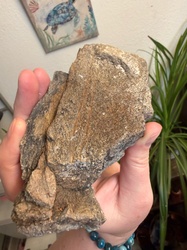
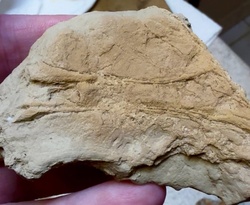
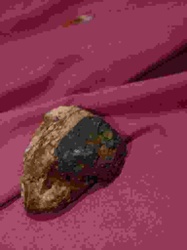
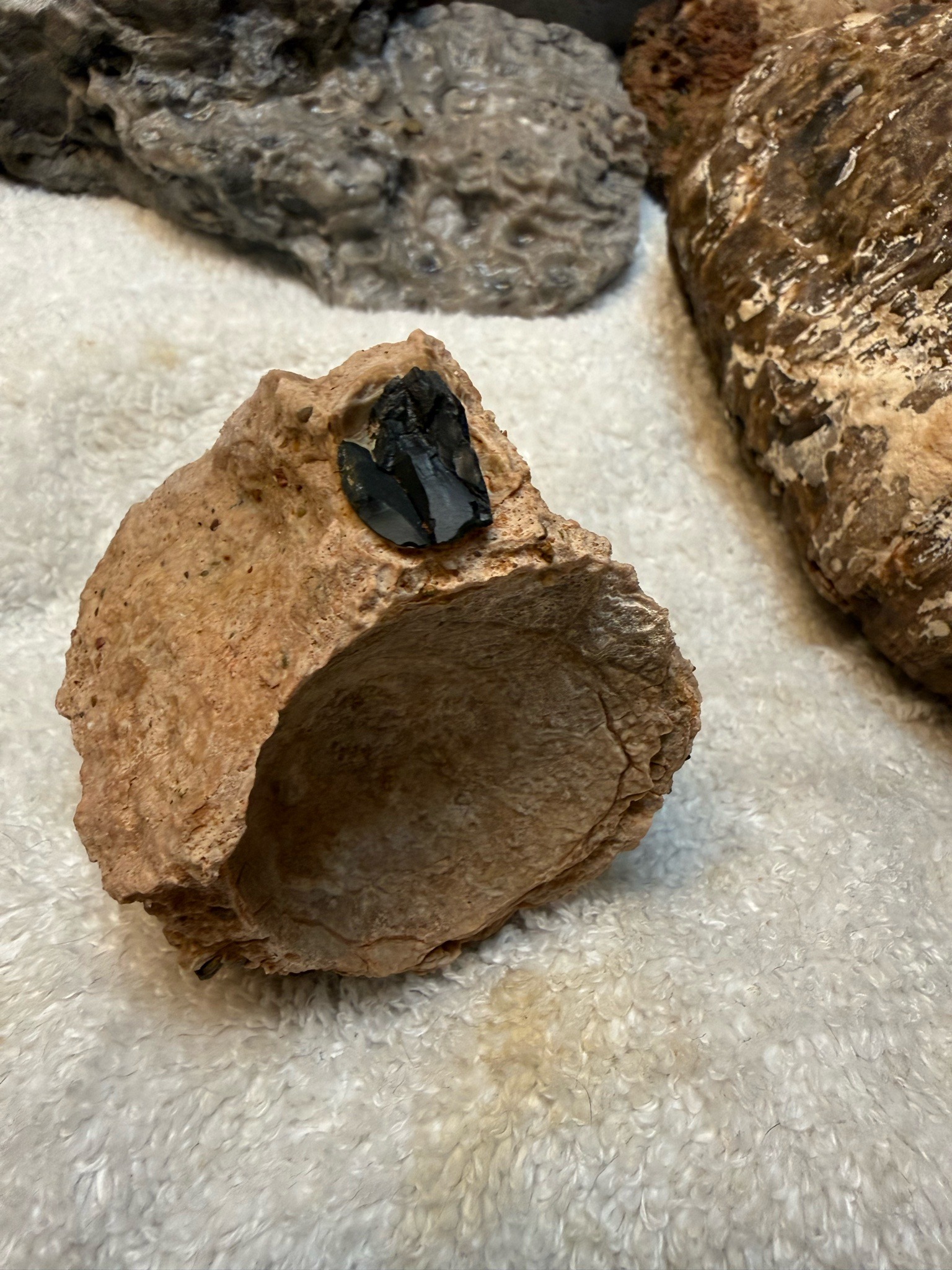
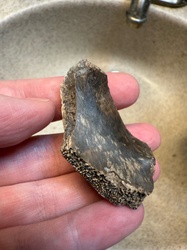
This exceptional specimen consists of a fossilized dinosaur vertebral centrum featuring a deeply embedded tooth tip from a carnivorous theropod. Originated from the Late Jurassic Morrison Formation, approximately 150 million years old, the vertebra exhibits a light tan to buff coloration with a heavily mineralized, porous texture characteristic of permineralized bone. The centrum is amphicoelous, showing a deep indentation. Of primary significance is the black, lustrous tooth fragment lodged into the dorsal or lateral surface of the bone. The tooth appears to be from a theropod, possibly Allosaurus or Ceratosaurus, displaying a distinct dark patina that contrasts sharply with the lighter host bone. The specimen shows natural weathering and fracturing typical of field-collected Morrison fossils, with some loss to the vertebral margins. The presence of the tooth within the bone provides rare direct evidence of paleo-biological interaction, such as predation or scavenging. The structural integrity of the bone is good, though it remains in a raw, unpolished state, preserving its authentic geologic context.
Estimated Value

$4,500 - $6,500

Basic Information

Category

Paleontological Specimen / Fossils

Appraised On

May 13, 2026

Estimated Value

$4,500 - $6,500

Additional Details Provided By Owner

User Provided Information

Vertebra fossil with embedded tooth from Morrison formation

Item Description

This exceptional specimen consists of a fossilized dinosaur vertebral centrum featuring a deeply embedded tooth tip from a carnivorous theropod. Originated from the Late Jurassic Morrison Formation, approximately 150 million years old, the vertebra exhibits a light tan to buff coloration with a heavily mineralized, porous texture characteristic of permineralized bone. The centrum is amphicoelous, showing a deep indentation. Of primary significance is the black, lustrous tooth fragment lodged into the dorsal or lateral surface of the bone. The tooth appears to be from a theropod, possibly Allosaurus or Ceratosaurus, displaying a distinct dark patina that contrasts sharply with the lighter host bone. The specimen shows natural weathering and fracturing typical of field-collected Morrison fossils, with some loss to the vertebral margins. The presence of the tooth within the bone provides rare direct evidence of paleo-biological interaction, such as predation or scavenging. The structural integrity of the bone is good, though it remains in a raw, unpolished state, preserving its authentic geologic context.
Get Your Items Appraised

Instant estimates of your treasures with AI-powered instant appraisals

Browse More Appraisals