AI Appraisal Estimate

AI-generated estimates · not official valuations

From the user

What was submitted

Photo and notes provided by the user — not generated by AI

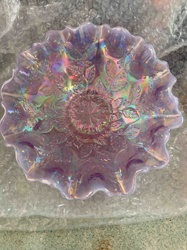
Submitted item photo
Submitted photo · June 20, 2026

User's notes

No additional notes provided.

AI analysis below

AI appraisal

AI analysis & estimate

AI-Generated · Verify before acting

Everything below is generated by AI for informational purposes only. AI can make mistakes — the AI may misidentify items or misattribute them (artist, maker, brand, designer, origin, era). This is not an official valuation and should not be used for insurance, sale, tax, estate, legal, or lending purposes — or any decision requiring a certified appraisal. It is not an authoritative claim about any person, brand, or rights holder — do not share or rely on it as a factual statement about a third party. Always consult qualified professionals before making financial decisions.

Read the full disclaimer

AI Identification

·Not independently authenticated·Verify before acting

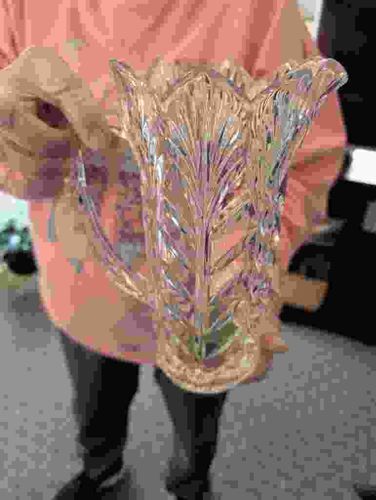
Fenton Marigold Carnival Glass Acanthus Pattern Pitcher

Vintage Glassware / Carnival Glass

AI Estimated Value

·Not an official valuation·Verify before acting

$175 - $250

As of June 20, 2026

AI Item Analysis

·AI can make mistakes·Verify before acting
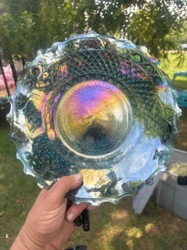
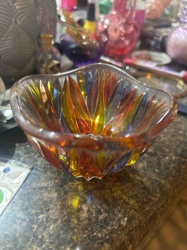
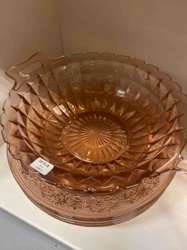
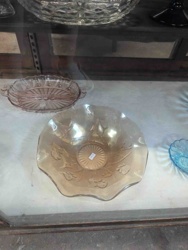
This is a vintage carnival glass water pitcher, likely produced by the Fenton Art Glass Company during the early 20th century, specifically the 1910s to 1920s. The piece features the classic 'Acanthus' leaf pattern, which is characterized by heavy, stylized leaf motifs that wrap around the body of the vessel in a vertical orientation. The material is a pressed iridescent glass, specifically in the 'Marigold' colorway, which displays a fiery orange-gold base with a strong metallic, rainbow-like shimmer (oil-on-water effect) across the exterior surface. The pitcher has a scalloped or ruffled 'sawtooth' rim and a large, applied glass handle extending from the top rim to the mid-body. In terms of construction, it shows the multi-part mold lines typical of Early American Pattern Glass (EAPG) and early carnival glass production. The condition appears fair to good; while the iridescence remains vibrant, the low-resolution image suggests some potential minor surface scratches and possibly small 'flea bites' or chips along the high points of the molded pattern and the scalloped rim, which are common areas for wear. The craftsmanship emphasizes the high-relief molding techniques used by Fenton to catch light and enhance the iridized spray coating applied during the manufacturing process. It stands as a significant example of American pressed glass artistry from the Depression era and shortly before.
AI Appraisal Report

·AI can make mistakes·Verify before acting
I have virtually examined this Marigold Carnival Glass Pitcher featuring the Acanthus pattern, attributed to Fenton Art Glass (circa 1912). The deep molding and characteristic orange-gold iridescence are consistent with Fenton’s early production methods. The 'sawtooth' rim and applied handle appear structurally sound, though I noted potential minor 'flea bite' chips on the high-relief leaf edges during my visual inspection. In the current market, marigold is the most common color for this pattern, which keeps the price point accessible compared to rarer cobalt or amethyst variants. This specific form—the full-sized water pitcher—typically commands a higher premium than the tumblers, though demand for Carnival Glass has stabilized recently after years of decline, with collectors now prioritizing 'mint' surfaces and high iridized luster. The value is significantly impacted by the surface condition; any loss of the metallic spray or 'heat checking' near the handle attachment would reduce the value toward the lower end of the estimate. Because this appraisal is based on images, I cannot definitively verify the absence of hairline cracks or ground-down chips on the base. For a full authentication and insurance-grade valuation, an in-person tactile inspection is required to check for internal stress fractures and to confirm the weight and texture of the glass. No scientific testing is typically required for this era, but provenance documentation regarding its storage history would assist in confirming it is an original 1910s pressing rather than a mid-century reissue.

Get your items appraised

Instant estimates of your treasures with AI-powered appraisals

Browse More Appraisals