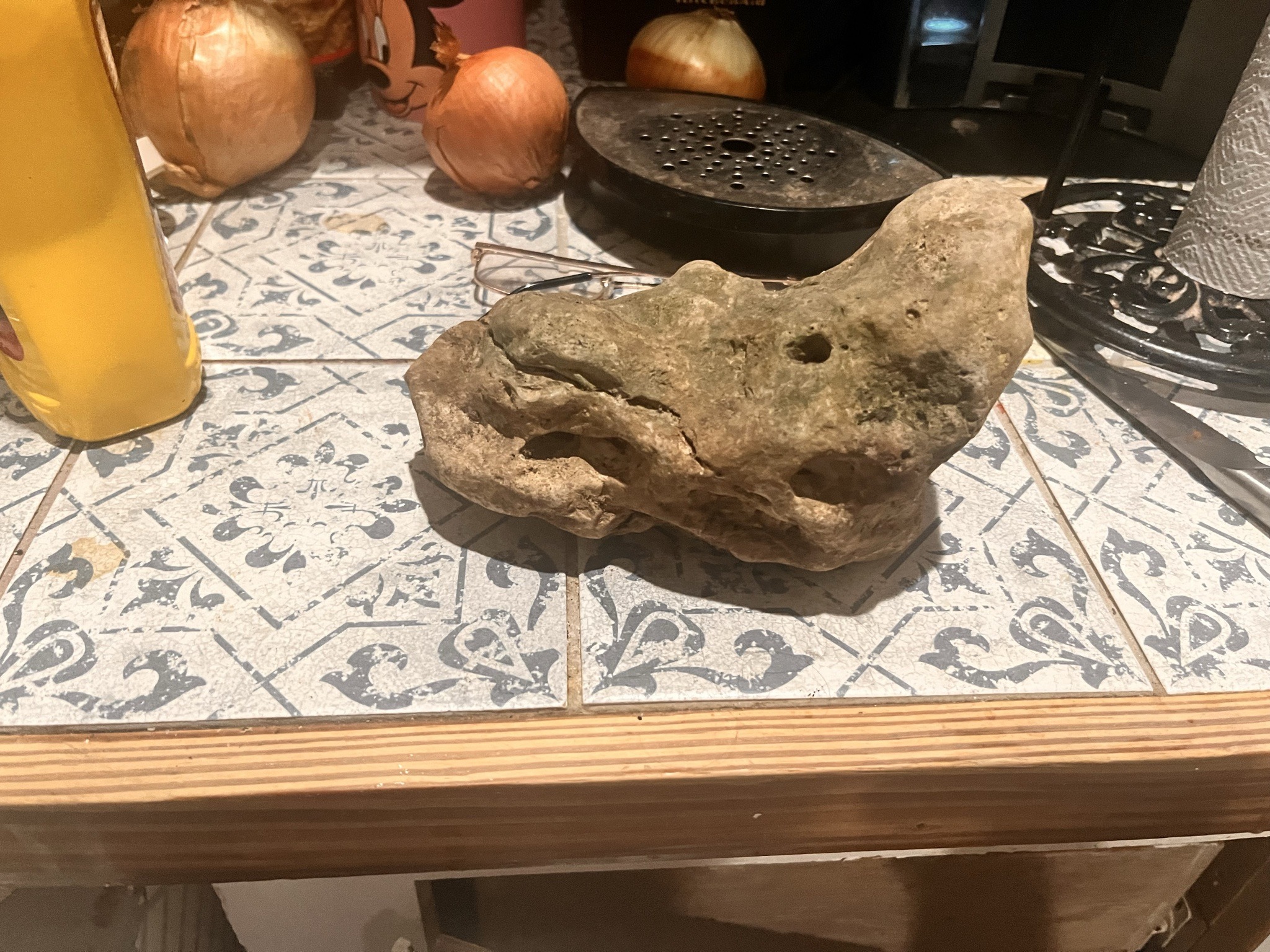
Naturally Eroded Fossiliferous Limestone or Karst Rock Specimen
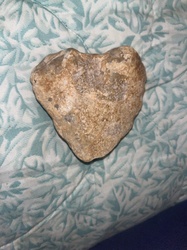
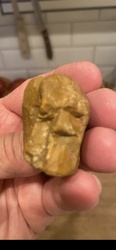
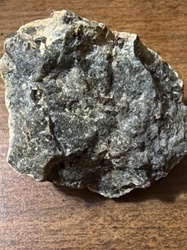
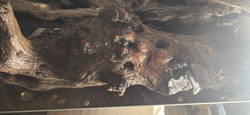
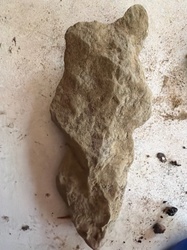
This item is a natural geological specimen, likely composed of fossiliferous limestone or a similar sedimentary rock that has undergone significant chemical and physical weathering. Measuring approximately 8 to 10 inches in length, the specimen exhibits a complex, irregular morphology characterized by several deep vugs, internal cavities, and rounded protrusions. Its color palette is predominantly earthy, featuring varying shades of tan, taupe, and weathered grey, with subtle patches of green likely indicating ancient moss growth or mineral oxidation. The surface texture is highly rugose and porous, typical of karst topography where acidic water has dissolved softer portions of the mineral matrix over thousands of years. There are visible fractures and internal crystalline structures within the larger cavities, suggesting a long history of environmental exposure. No human-made markings, signatures, or embellishments are present, as the form is the result of natural erosion. The condition is raw and unpolished, showing some surface debris and dirt consistent with search-and-find field collection. While not a sculpted artifact, its unique, anthropomorphic shape (resembling a fossilized skull or animal form) gives it aesthetic value as a natural curiosity or 'found object' for decorative use.
AI-Generated Appraisal Disclaimer
Estimated Value
$50 - $150
Basic Information
Category
Geological Specimens / Natural Curiosities
Appraised On
April 30, 2026
Estimated Value
$50 - $150
Item Description
This item is a natural geological specimen, likely composed of fossiliferous limestone or a similar sedimentary rock that has undergone significant chemical and physical weathering. Measuring approximately 8 to 10 inches in length, the specimen exhibits a complex, irregular morphology characterized by several deep vugs, internal cavities, and rounded protrusions. Its color palette is predominantly earthy, featuring varying shades of tan, taupe, and weathered grey, with subtle patches of green likely indicating ancient moss growth or mineral oxidation. The surface texture is highly rugose and porous, typical of karst topography where acidic water has dissolved softer portions of the mineral matrix over thousands of years. There are visible fractures and internal crystalline structures within the larger cavities, suggesting a long history of environmental exposure. No human-made markings, signatures, or embellishments are present, as the form is the result of natural erosion. The condition is raw and unpolished, showing some surface debris and dirt consistent with search-and-find field collection. While not a sculpted artifact, its unique, anthropomorphic shape (resembling a fossilized skull or animal form) gives it aesthetic value as a natural curiosity or 'found object' for decorative use.
Related Tags
Get Your Items Appraised
Instant estimates of your treasures with AI-powered instant appraisals