AI Appraisal Estimate

AI-generated estimates · not official valuations

From the user

What was submitted

Photo and notes provided by the user — not generated by AI

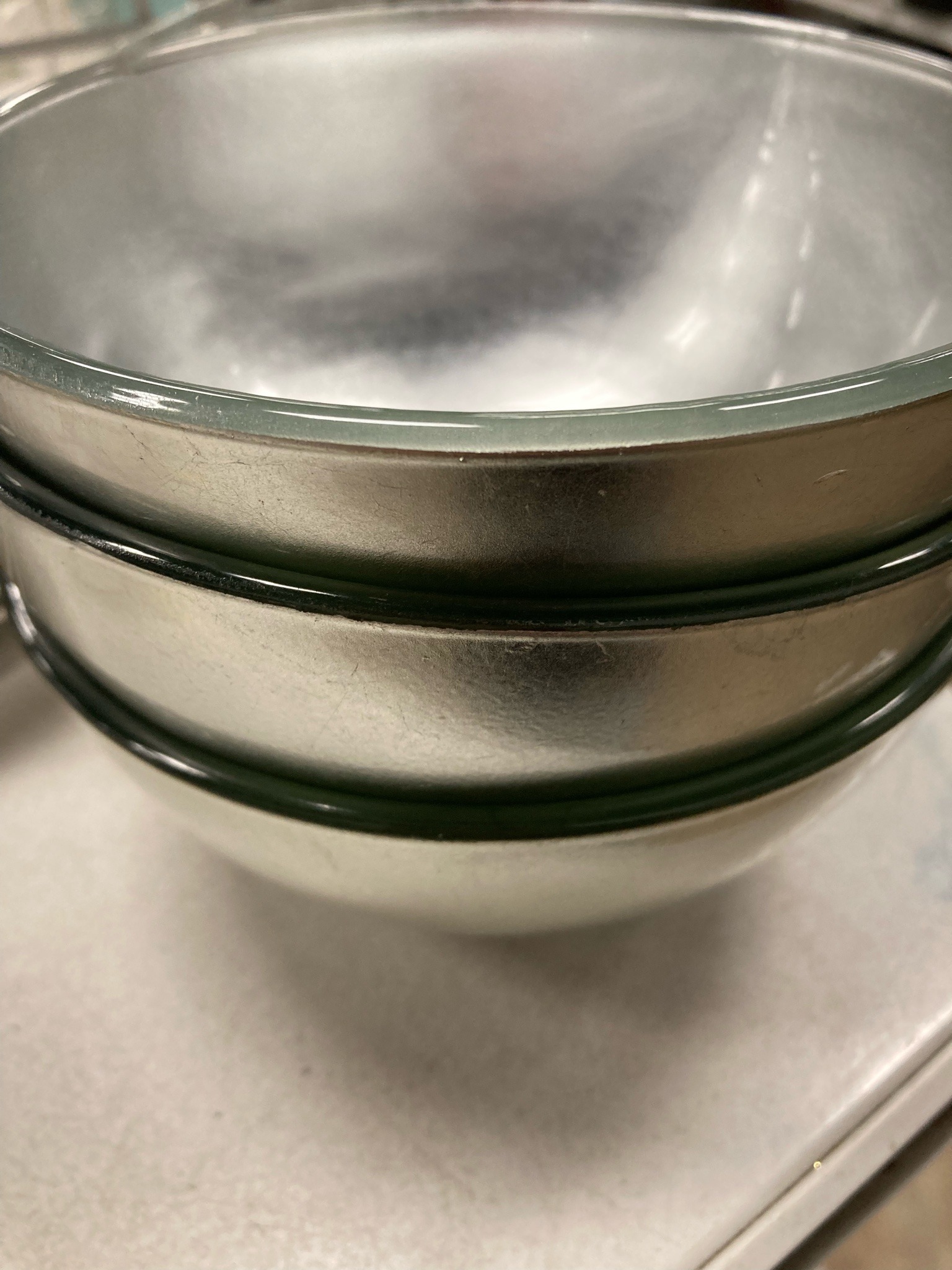
Submitted item photo
Submitted photo · June 10, 2026

User's notes

No additional notes provided.

AI analysis below

AI appraisal

AI analysis & estimate

AI-Generated · Verify before acting

Everything below is generated by AI for informational purposes only. AI can make mistakes — the AI may misidentify items or misattribute them (artist, maker, brand, designer, origin, era). This is not an official valuation and should not be used for insurance, sale, tax, estate, legal, or lending purposes — or any decision requiring a certified appraisal. It is not an authoritative claim about any person, brand, or rights holder — do not share or rely on it as a factual statement about a third party. Always consult qualified professionals before making financial decisions.

Read the full disclaimer

AI Identification

·Not independently authenticated·Verify before acting

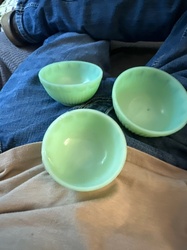
Silver-Leaf Coated Glass Nested Mixing Bowls

Kitchenware / Vintage Glassware

AI Estimated Value

·Not an official valuation·Verify before acting

$45 - $65

As of June 10, 2026

AI Item Analysis

·AI can make mistakes·Verify before acting
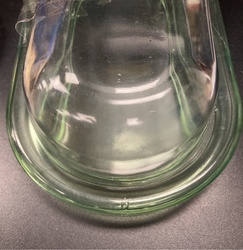
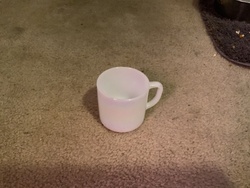
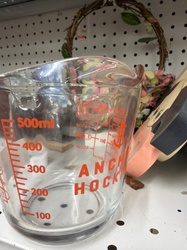
A set of three nested mixing bowls constructed from thick, transparent soda-lime glass, featuring a distinctive metallic silver treatment applied to the exterior surfaces. The bowls vary in diameter and are designed to store compactly within one another. The silver-tone finish has a textured, slightly matte appearance, suggesting either an electroplated application or a cold-painted leafing technique common in mid-century kitchenware. The rim of each bowl remains clear and polished, providing a visual border between the metallic exterior and the smooth, transparent interior. Upon close inspection, the exterior reveals significant signs of use, including visible surface abrasions, fine scratches, and areas where the silver coating has thinned or worn away, particularly around the edges and contact points. This wear pattern is indicative of regular kitchen use and contact with utensils or abrasive cleaning materials. While no specific maker's mark is visible in the provided view, the style is reminiscent of 20th-century glassware manufacturers like Pyrex or Anchor Hocking that occasionally produced decorative exterior-coated lines. The bowls represent functional industrial design from approximately the 1960s to 1980s, prioritizing heavy-duty construction with a decorative aesthetic flair.
AI Appraisal Report

·AI can make mistakes·Verify before acting
Based on my visual examination of this three-piece nested mixing bowl set, I have identified them as vintage soda-lime glass with a silver-leaf or metallic coating, likely dating from the mid-20th century (c. 1950s–1970s). The aesthetic is consistent with 'Mercury Glass' style revivals or decorative lines produced by manufacturers such as Federal Glass or Hazel-Atlas. The condition of this set is categorized as 'Fair to Good.' I observe significant 'silver loss'—a common issue with cold-painted or thin-film metallic applications from this era. The thinning surfaces and abrasions around the mid-sections and rims indicate heavy utility use and likely exposure to abrasive detergents. While the thick glass construction appears structurally sound without major chips, the degradation of the decorative finish significantly limits the value to collectors who prioritize 'mint' display pieces. The market for mid-century kitchenware remains steady; however, unbranded glass sets without a specific 'Fire-King' or 'Pyrex' attribution command lower premiums. Comparable sets in better condition typically sell for $80–$120, but the visible wear here necessitates a more modest valuation. Note: This appraisal is based solely on digital images. A definitive valuation requires a physical inspection to check for hairline stress fractures and to confirm the application method of the silver (electroplate vs. leaf). Verification of a maker’s mark, often located on the underside of the base, or original catalog documentation would be necessary to confirm the specific manufacturer and elevate the provenance. Scientific testing for lead content in the exterior coating would also be advised to determine if the set is safe for modern food usage or strictly decorative.

Get your items appraised

Instant estimates of your treasures with AI-powered appraisals

Browse More Appraisals