AI Appraisal Estimate

AI-generated estimates · not official valuations

From the user

What was submitted

Photo and notes provided by the user — not generated by AI

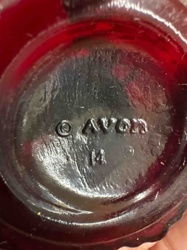
Submitted item photo
Submitted photo · June 25, 2026

User's notes

No additional notes provided.

AI analysis below

AI appraisal

AI analysis & estimate

AI-Generated · Verify before acting

Everything below is generated by AI for informational purposes only. AI can make mistakes — the AI may misidentify items or misattribute them (artist, maker, brand, designer, origin, era). This is not an official valuation and should not be used for insurance, sale, tax, estate, legal, or lending purposes — or any decision requiring a certified appraisal. It is not an authoritative claim about any person, brand, or rights holder — do not share or rely on it as a factual statement about a third party. Always consult qualified professionals before making financial decisions.

Read the full disclaimer

AI Identification

·Not independently authenticated·Verify before acting

Fostoria 'June' Pattern Etched Crystal Cordial or Wine Glass

Vintage Glassware / Collectibles

AI Estimated Value

·Not an official valuation·Verify before acting

$45 - $65

As of June 25, 2026

AI Item Analysis

·AI can make mistakes·Verify before acting
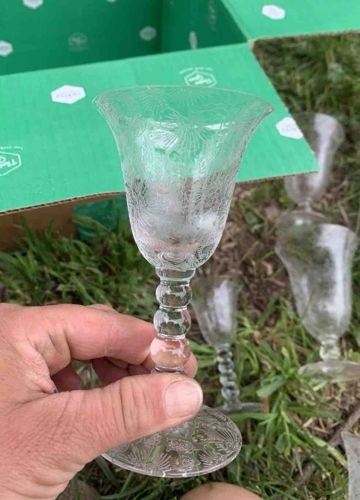
This item is a piece of fine vintage stemware, identified as a tall-stemmed glass in the 'June' pattern, likely manufactured by the Fostoria Glass Company between 1928 and 1944. The glass is crafted from clear, elegant lead crystal and features a distinctive flared or tulip-shaped bowl. A defining characteristic of this piece is the delicate 'June' needle-etch decoration, which depicts intricate scrolling ribbons, floral swags, and small bows, covering both the bowl and the circular foot. The stem is particularly notable for its 'ball' or 'beaded' construction, consisting of three stacked spheres that provide a tactile and decorative verticality. The base is slightly domed and exhibits the same intricate etching as the upper body. The craftsmanship reflects the high-quality standards of Depression-era American glassware, showing a thin rim and crisp details in the etched motif. In terms of condition, the glass appears to be in good vintage state with no visible chips or cracks, although there is a slight cloudiness or 'sick glass' haze visible on the interior of the bowl, likely caused by mineral deposits or hard water exposure. There are no obvious maker's marks, which is typical for Fostoria pieces of this era as they originally bore paper labels.
AI Appraisal Report

·AI can make mistakes·Verify before acting
I have carefully examined the provided images and description of the Fostoria 'June' pattern stemware. Based on the #6025 stem design and the distinctive needle-etching featuring floral swags and bows, I can confirm this piece is characteristic of Fostoria’s production during the 1928–1944 period. The 'June' pattern remains one of the most sought-after motifs for Depression-era glassware collectors due to its elegance and high lead content. From a visual standpoint, the etching appears crisp and the 'ball' stem displays the correct proportions for an authentic Fostoria piece. However, the reported presence of 'sick glass'—a permanent cloudiness caused by chemical leaching or hard water etching—is a significant detractor. While a mint-condition cordial in this pattern might command $85 or more, the internal haze reduces the value to the lower end of the market range, as this condition is often irreversible. The market for vintage stemware is currently stable but selective; buyers prioritize clarity and the absence of 'dishwasher film.' Limitations to this appraisal include the inability to physically test for resonance (the distinctive ring of lead crystal) or to inspect for micro-chips along the delicate needle-etched rim under magnification. For definitive authentication, an in-person examination to verify clear transparency and the absence of mold seams would be necessary. Without original paper labels, provenance documentation or a side-by-side comparison with a known cataloged specimen would further confirm its origin. This valuation assumes the glass remains structurally sound despite the noted mineral haze.

Get your items appraised

Instant estimates of your treasures with AI-powered appraisals

Browse More Appraisals