Paleo Indian Chert Multi-Tool (Hand Axe/Scraper)
Native American Artifacts / Lithic Tools

Paleo Indian Chert Multi-Tool (Hand Axe/Scraper)

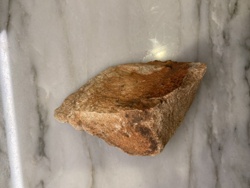
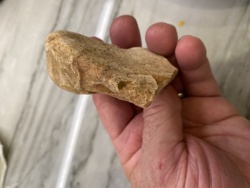
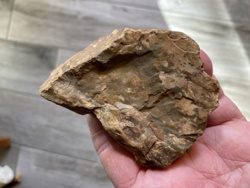
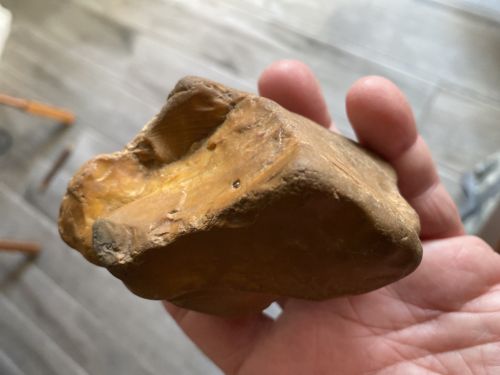
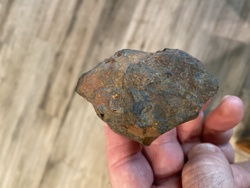
This artifact is a lithic multi-tool, identified as a hand axe and scraper, measuring approximately 3 inches by 2 inches. It is composed of high-quality chert, likely sourced locally in the Oklahoma region. The material displays a rich, butterscotch-to-tan coloration with deep ocher tones and visible crystalline inclusions typical of chert found in the Midwest. The tool features systematic unifacial and bifacial flaking along its primary edges, created through percussion and pressure flaking techniques characteristic of the Paleo Indian period. The construction demonstrates a clear 'bulb of percussion' on one face, indicating an intentional human modification of the stone core. Notable markings include several localized step-fractures and edge wear consistent with heavy use in scraping tasks and light hacking or wood-working. The surface exhibits a heavy desert varnish and a waxy patina, signifying significant age and long-term exposure to the elements before its discovery in Guthrie, OK. While there are some modern nicks on the sharper edges likely from field contact, the overall structural integrity of the piece is excellent, showcasing the durability of the selected material and the expert craftsmanship of its original creator. This piece represents a quintessential versatile tool from North America's earliest inhabitants, functioning as both a heavy-duty cutting implement and a skinning scraper.
Estimated Value

$150 - $250

Basic Information

Category

Native American Artifacts / Lithic Tools

Appraised On

February 21, 2026

Estimated Value

$150 - $250

Additional Details Provided By Owner

User Provided Information

Paleo Indian chert hand axe scraper multi tool found in Guthrie OK 3" x 2"

Item Description

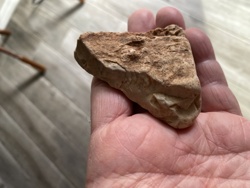
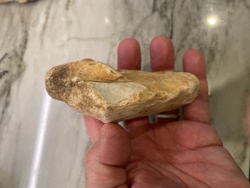
This artifact is a lithic multi-tool, identified as a hand axe and scraper, measuring approximately 3 inches by 2 inches. It is composed of high-quality chert, likely sourced locally in the Oklahoma region. The material displays a rich, butterscotch-to-tan coloration with deep ocher tones and visible crystalline inclusions typical of chert found in the Midwest. The tool features systematic unifacial and bifacial flaking along its primary edges, created through percussion and pressure flaking techniques characteristic of the Paleo Indian period. The construction demonstrates a clear 'bulb of percussion' on one face, indicating an intentional human modification of the stone core. Notable markings include several localized step-fractures and edge wear consistent with heavy use in scraping tasks and light hacking or wood-working. The surface exhibits a heavy desert varnish and a waxy patina, signifying significant age and long-term exposure to the elements before its discovery in Guthrie, OK. While there are some modern nicks on the sharper edges likely from field contact, the overall structural integrity of the piece is excellent, showcasing the durability of the selected material and the expert craftsmanship of its original creator. This piece represents a quintessential versatile tool from North America's earliest inhabitants, functioning as both a heavy-duty cutting implement and a skinning scraper.
Get Your Items Appraised

Instant estimates of your treasures with AI-powered instant appraisals

Browse More Appraisals