Lower Paleolithic Chert Biface Multi-Tool Hand Axe
Prehistoric Lithic Artifacts / Archaeological Tools

Lower Paleolithic Chert Biface Multi-Tool Hand Axe

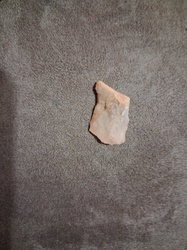
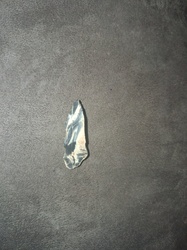
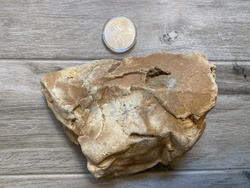
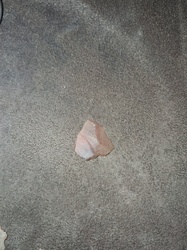
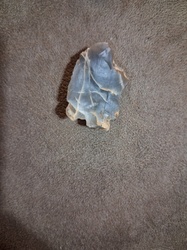
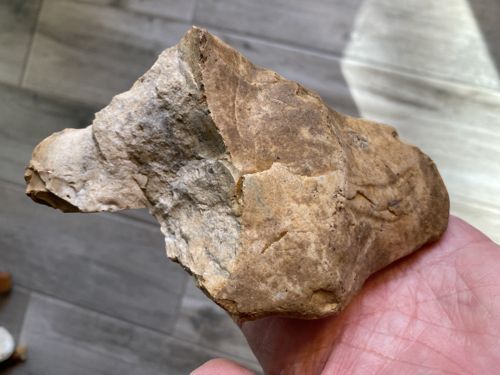
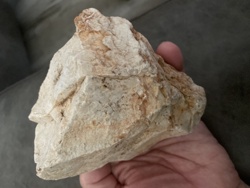
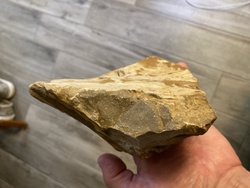
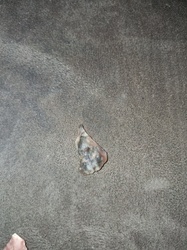
This specimen is a Lower Paleolithic bifacial lithic tool, measuring approximately 5.75 inches in length by 3.25 inches in width. It is fashioned from a dense, crypto-crystalline chert, exhibiting a warm palette of tan, ochre, and earthy brown tones with subtle gray inclusions. The artifact displays characteristic percussion flaking, resulting in a robust, semi-ovate form with a prominent dorsal ridge and a tapered working edge. The construction shows evidence of intentional shaping through the removal of large flakes to create a multi-functional tool suitable for chopping, scraping, and cutting. Notable features include a thickened, bulbous base or 'butt' designed for a secure hand grip, transitioning into a more refined, sharpened distal end. The surface exhibits a heavy desert varnish or mineral patina consistent with long-term environmental exposure, alongside smoothed edges that suggest significant prehistoric use-wear. While there are some modern nicks or minor impact fractures likely from environmental shifting, the overall structural integrity remains excellent. The craftsmanship reflects an Acheulean-style tradition, emphasizing durability and ergonomic utility. This piece was recovered from Guthrie, Oklahoma, representing a significant example of early North American lithic technology and prehistoric human migration patterns.
Estimated Value

$350 - $550

Basic Information

Category

Prehistoric Lithic Artifacts / Archaeological Tools

Appraised On

February 19, 2026

Estimated Value

$350 - $550

Additional Details Provided By Owner

User Provided Information

Lower Paleolithic chert bi face hand axe scraper multi tool found in Guthrie, OK measuring 5.75" x 3.25"

Item Description

This specimen is a Lower Paleolithic bifacial lithic tool, measuring approximately 5.75 inches in length by 3.25 inches in width. It is fashioned from a dense, crypto-crystalline chert, exhibiting a warm palette of tan, ochre, and earthy brown tones with subtle gray inclusions. The artifact displays characteristic percussion flaking, resulting in a robust, semi-ovate form with a prominent dorsal ridge and a tapered working edge. The construction shows evidence of intentional shaping through the removal of large flakes to create a multi-functional tool suitable for chopping, scraping, and cutting. Notable features include a thickened, bulbous base or 'butt' designed for a secure hand grip, transitioning into a more refined, sharpened distal end. The surface exhibits a heavy desert varnish or mineral patina consistent with long-term environmental exposure, alongside smoothed edges that suggest significant prehistoric use-wear. While there are some modern nicks or minor impact fractures likely from environmental shifting, the overall structural integrity remains excellent. The craftsmanship reflects an Acheulean-style tradition, emphasizing durability and ergonomic utility. This piece was recovered from Guthrie, Oklahoma, representing a significant example of early North American lithic technology and prehistoric human migration patterns.
Get Your Items Appraised

Instant estimates of your treasures with AI-powered instant appraisals

Browse More Appraisals