Lower Paleolithic Bifacial Chert Hand Axe
Antiquities / Prehistoric Stone Tools

Lower Paleolithic Bifacial Chert Hand Axe

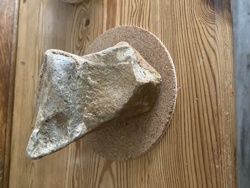
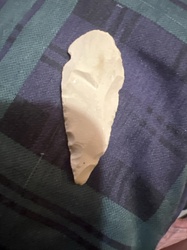
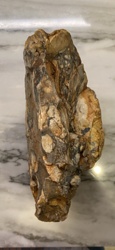
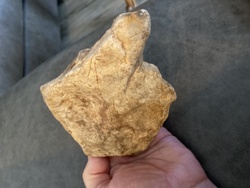
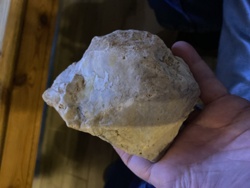
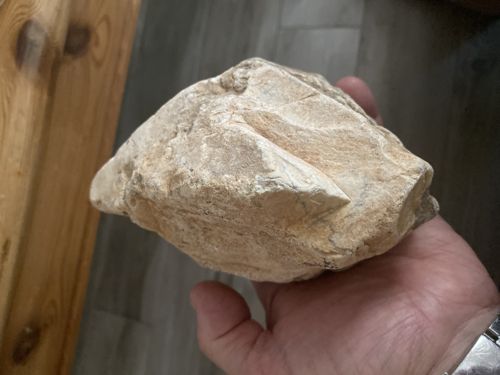
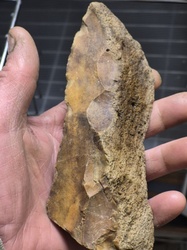
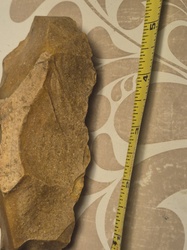
This is a prehistoric lithic tool, specifically a bifacial hand axe typically associated with the Lower Paleolithic period (Oldowan or Acheulean tradition). Measuring approximately 5.5 inches by 4.5 inches, the artifact is fashioned from a light-colored, tan-to-cream chert or similar silicate stone. The item exhibits characteristic anthropogenic flaking, where material has been systematically removed from both sides (bifacial) to create a tapered, somewhat pointed silhouette with a heavier, rounded butt-end designed to fit the palm. Notably, the surface displays a significant aged patina and mineral encrustation, consistent with long-term burial or exposure to the elements. There is no modern signature or maker's mark, as is standard for an artifact of this age, which could range from 100,000 to over 1.5 million years old depending on the find site. The edges show signs of ancient wear and step-fracturing consistent with use as a scraper or chopping tool. While there is minor modern-looking chipping likely from handling or discovery, the overall structural integrity remains high, preserving the intentional geometry of the tool. The craftsmanship indicates a functional, utilitarian object made by early hominids, evidenced by the bulb of percussion remnants and negative flake scars.
Estimated Value

$400 - $650

Basic Information

Category

Antiquities / Prehistoric Stone Tools

Appraised On

February 19, 2026

Estimated Value

$400 - $650

Additional Details Provided By Owner

User Provided Information

Lower Paleolithic chert bi face hand axe scraper tool 5.5" x 4.5

Item Description

This is a prehistoric lithic tool, specifically a bifacial hand axe typically associated with the Lower Paleolithic period (Oldowan or Acheulean tradition). Measuring approximately 5.5 inches by 4.5 inches, the artifact is fashioned from a light-colored, tan-to-cream chert or similar silicate stone. The item exhibits characteristic anthropogenic flaking, where material has been systematically removed from both sides (bifacial) to create a tapered, somewhat pointed silhouette with a heavier, rounded butt-end designed to fit the palm. Notably, the surface displays a significant aged patina and mineral encrustation, consistent with long-term burial or exposure to the elements. There is no modern signature or maker's mark, as is standard for an artifact of this age, which could range from 100,000 to over 1.5 million years old depending on the find site. The edges show signs of ancient wear and step-fracturing consistent with use as a scraper or chopping tool. While there is minor modern-looking chipping likely from handling or discovery, the overall structural integrity remains high, preserving the intentional geometry of the tool. The craftsmanship indicates a functional, utilitarian object made by early hominids, evidenced by the bulb of percussion remnants and negative flake scars.
Get Your Items Appraised

Instant estimates of your treasures with AI-powered instant appraisals

Browse More Appraisals