AI identification & appraisal estimate

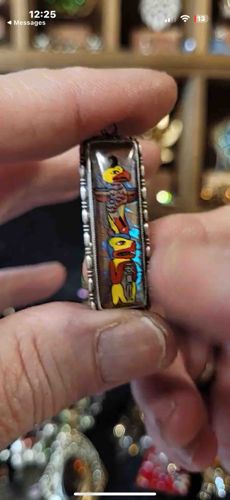
Haida / Tlingit Style Totem Pole Abalone Inlay Silver Pendant

Submitted photo of Haida / Tlingit Style Totem Pole Abalone Inlay Silver Pendant
Photo submitted by the user — not generated by AI

User's notes

Thomas murino

These notes were written by the person who submitted this item. Appraiser.AI has not verified them, and the AI's identification and estimate may rely on them.

AI Estimated Value

Not an official valuation

$150 - $250

AI estimate as of October 29, 2025 · verify with a professional before acting

AI-Generated · Verify before acting

Everything on this page is generated by AI for informational purposes only. AI can make mistakes — the AI may misidentify items or misattribute them (artist, maker, brand, designer, origin, era). This is not an official valuation and should not be used for insurance, sale, tax, estate, legal, or lending purposes — or any decision requiring a certified appraisal. It is not an authoritative claim about any person, brand, or rights holder — do not share or rely on it as a factual statement about a third party. Always consult qualified professionals before making financial decisions.

This analysis also relies on unverified notes provided by the user, which may be incomplete or inaccurate and could affect the result.

Read the full disclaimer

AI Item Analysis

This item is a rectangular pendant, likely crafted from sterling silver, featuring an inlay of abalone shell and painted totem pole figures. The pendant has a distinctly rectangular shape with a rounded top, and a small loop for a chain or necklace, suggesting it is designed to be worn as jewelry. The silver frame around the abalone inlay is decorative, exhibiting a textured or engraved pattern along its sides, possibly replicating beading or a stylized motif. The main attraction is the iridescent abalone shell, which serves as the background for two painted totem figures. The figures are rendered in a style reminiscent of Haida or Tlingit art, characterized by bold lines and specific color palettes. The top figure appears to be a bird, possibly an eagle or raven, with a yellow head, red beak, and red and black body details. The lower figure is more abstract but also features yellow and red coloring, with blue accents highlighting certain areas, particularly around its form. This blue coloration against the iridescent abalone creates a striking visual effect, suggesting light reflection or a vibrant underlayer. The use of abalone inlay is common in Indigenous art from the Pacific Northwest Coast, providing a shimmering backdrop that enhances the painted details. The item appears to be in good vintage condition, exhibiting some natural patina on the silver, which is consistent with its age and material, but no overt damage or significant wear is visible. The craftsmanship appears to be of good quality, with attention paid to the intricate painting and the secure setting of the abalone within the silver frame. The inclusion of 'Thomas Murino' in the context suggests it might be a piece by or attributed to a particular artist, which could significantly impact its value if verifiable.
AI Appraisal Report

Upon examining the images of this Haida / Tlingit style totem pole pendant, I have assessed its value based on its materials, craftsmanship, and current market conditions. The pendant is crafted from what appears to be sterling silver, featuring a vibrant abalone shell inlay painted with traditional Northwest Coast figures, likely representing an eagle or raven and another totemic being. The condition appears to be good for a vintage piece, with a natural patina on the silver and no significant damage to the inlay or painting. The craftsmanship is competent and aesthetically pleasing. The market for Native American and First Nations style jewelry is active. Pieces of this nature, featuring abalone and silver, are quite popular. Based on comparable sales of similar, unsigned or non-verified artist-signed pendants, the market value typically falls within the estimated range. The name 'Thomas Murino' is a critical factor; if this artist can be verified as a known Pacific Northwest Coast artisan with a collectible body of work, the value could increase substantially. However, without this verification, the piece is valued primarily on its material and decorative qualities. A significant limitation of this appraisal is that it is based solely on images. Full authentication requires in-person examination to test the silver purity, confirm the type of shell, and inspect for an artist's signature or hallmark not visible in photos. Verifiable provenance, such as a bill of sale or gallery documentation linking the piece to Thomas Murino, would be essential for a higher valuation.

Keep exploring

More jewelry appraisals

Get your items appraised

Instant AI-powered appraisal estimates from a photo

Browse More Appraisals