AI Appraisal Estimate

AI-generated estimates · not official valuations

From the user

What was submitted

Photo and notes provided by the user — not generated by AI

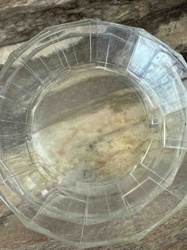
Submitted item photo
Submitted photo · June 23, 2026

User's notes

No additional notes provided.

AI analysis below

AI appraisal

AI analysis & estimate

AI-Generated · Verify before acting

Everything below is generated by AI for informational purposes only. AI can make mistakes — the AI may misidentify items or misattribute them (artist, maker, brand, designer, origin, era). This is not an official valuation and should not be used for insurance, sale, tax, estate, legal, or lending purposes — or any decision requiring a certified appraisal. It is not an authoritative claim about any person, brand, or rights holder — do not share or rely on it as a factual statement about a third party. Always consult qualified professionals before making financial decisions.

Read the full disclaimer

AI Identification

·Not independently authenticated·Verify before acting

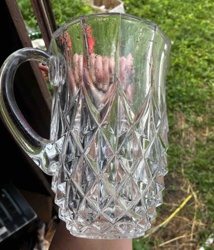
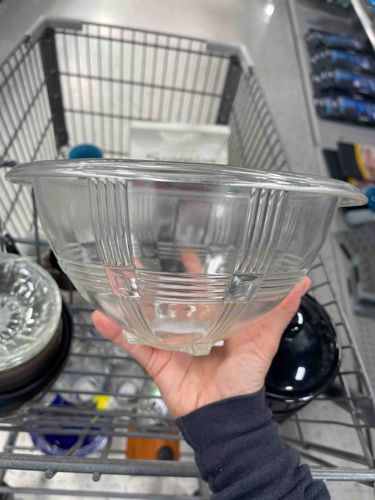
Anchor Hocking Fire-King Manhattan Pattern Clear Glass Mixing Bowl

Vintage Glassware / Kitchenware

AI Estimated Value

·Not an official valuation·Verify before acting

$35.00-$55.00

As of June 23, 2026

AI Item Analysis

·AI can make mistakes·Verify before acting
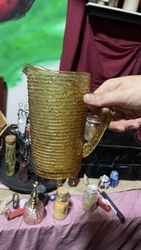
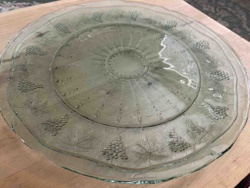
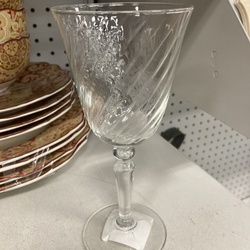
This is a vintage mixing bowl crafted in the iconic 'Manhattan' pattern, also known as 'Horizontal Ribbed,' produced by the Anchor Hocking Glass Corporation. The bowl is made of clear, transparent glass and features a distinctive Art Deco aesthetic characterized by concentric horizontal ridges on the lower half and intersecting vertical ribbing on the upper portion. It possesses a flared, smooth rim and sits on a small, recessed circular foot. Based on the design, this piece likely dates from the 1930s to the 1940s (Depression era). The construction is pressed glass, typical for mass-market utilitarian kitchenware of that period. Physically, the item appears to be roughly 8 to 9 inches in diameter. The glass retains good clarity, though there is visible surface wear including fine scratches consistent with age and domestic use. There are no large chips or structural cracks visible from this angle, though the rim shows slight dullness that may indicate minor scuffing. Quality indicators include the precise geometric symmetry of the molded ribs, which was a hallmark of the Fire-King line's machine-pressed production. This particular pattern is highly collectible among Depression glass enthusiasts for its architectural, 'Machine Age' design style.
AI Appraisal Report

·AI can make mistakes·Verify before acting
I have conducted a visual inspection of this Anchor Hocking 'Manhattan' pattern clear glass mixing bowl, a classic example of Machine Age aesthetic from the Depression era (circa 1938–1943). The item displays the characteristic horizontal and vertical ribbing associated with this line. Condition appears to be 'Very Good' vintage state; while the glass maintains high clarity and structural integrity without visible chips, the noted surface scratches and rim dullness are consistent with domestic use. This wear is expected but prevents a 'Mint' valuation. The market for Depression glass remains stable but niche. The Manhattan pattern is highly regarded for its architectural symmetry, yet clear glass variants are significantly more common and less valued than their 'Pink' or 'Royal Ruby' counterparts. Recent auction and secondary market comparables for the standard large mixing bowl (8-9 inch) range between $30 and $60 depending on the severity of utensil marks. Limitations: My assessment is based solely on the provided imagery. A physical examination is necessary to check for 'flea bites' along the ribs, interior clouding (sickness), or hairline fractures not visible in photographs. Furthermore, I cannot verify the specific weight or resonance of the glass. Full authentication would require an in-person inspection of the base for specific mold marks and a high-intensity light test to ensure no professional grinding or repairs have been made to the rim. No scientific testing is typically required for this mass-produced utilitarian piece, but provenance regarding its storage conditions could clarify the cause of the surface dulling.

Get your items appraised

Instant estimates of your treasures with AI-powered appraisals

Browse More Appraisals