AI Appraisal Estimate

AI-generated estimates · not official valuations

From the user

What was submitted

Photo and notes provided by the user — not generated by AI

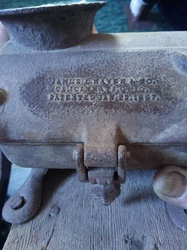
Submitted item photo
Submitted photo · May 24, 2026

User's notes

Works but set for display only like this

AI analysis below

AI appraisal

AI analysis & estimate

AI-Generated · Verify before acting

Everything below is generated by AI for informational purposes only. AI can make mistakes — the AI may misidentify items or misattribute them (artist, maker, brand, designer, origin, era). This is not an official valuation and should not be used for insurance, sale, tax, estate, legal, or lending purposes — or any decision requiring a certified appraisal. It is not an authoritative claim about any person, brand, or rights holder — do not share or rely on it as a factual statement about a third party. Always consult qualified professionals before making financial decisions.

Note

This analysis also relies on unverified notes provided by the user, which may be incomplete or inaccurate and could affect the result.

Read the full disclaimer

AI Identification

·Not independently authenticated·Verify before acting

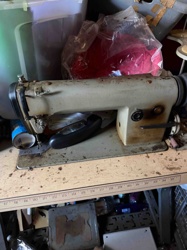
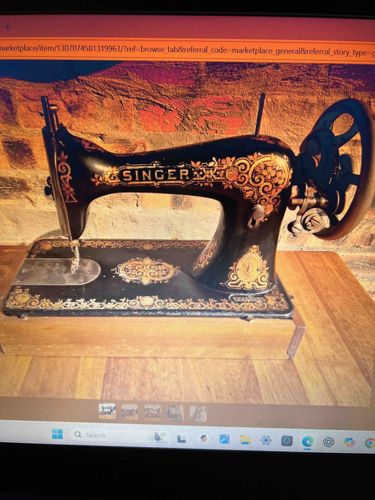
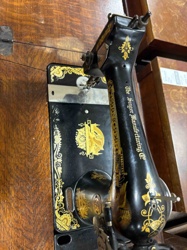
Vintage Singer Model 66 Sewing Machine with Lotus Decals

Antique Domestic Machinery

AI Estimated Value

·Not an official valuation·Verify before acting

$175 - $250

As of May 24, 2026

AI Item Analysis

·AI can make mistakes·Verify before acting
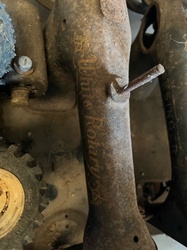
This is a vintage Singer Model 66 sewing machine head, likely manufactured between 1910 and 1920. The machine is constructed of heavy cast iron with a classic black japanned finish. It features the highly sought-after 'Lotus' or 'Filigree' gold-tone decal pattern, which covers the arm, base, and pillar with intricate floral and scroll motifs. The 'SINGER' name is prominently displayed in gold lettering on the horizontal arm. The machine is currently mounted on a simple rectangular wooden display base rather than its original treadle or cabinet. Notable physical features include a large spoked handwheel on the right, a side-mounted bobbin winder, and a nickel-plated faceplate and slide plate. The condition appears to be fair to good for its age; while the decals are largely intact, there is visible silvering and wear to the gold leaf, particularly on the front edge of the base where friction occurs during use. The black enamel shows common micro-scratching and light patina. Although the user notes it is functional, the lack of a drive belt or motor suggests it is currently serving a decorative purpose. These machines are known for their 'oscillating hook' mechanism and robust all-metal internal gearing, representing a high point in early 20th-century domestic engineering.
AI Appraisal Report

·AI can make mistakes·Verify before acting
I have virtually examined this Singer Model 66 sewing machine head featuring the desirable Lotus (Filigree) decals. Based on the gold-tone motifs and the 'Red Eye' style scrollwork, I can confirm the machine is a genuine domestic model from the 1910-1920 era. The Lotus pattern is one of the most aesthetically prized decal sets among collectors, which elevates this piece above common black-and-gold models. The condition is fair to good; the significant 'silvering' (loss of top-coat lacquer causing gold to turn silver) and wear on the front base edge suggest heavy historical use. While the internal cast-iron gearing is notoriously robust, the lack of a treadle cabinet or motor limits its current utility to a decorative 'display head.' In the current market, standalone heads fetch lower prices than complete, functional treadle units unless the decals are in near-mint condition. Recent comparable sales for Lotus-pattern heads in similar 'display' condition typically range from $150 to $275. Factors impacting the value include the intact nickel-plated faceplates and the presence of the oscillating hook mechanism. However, without a physical inspection, I cannot verify the smoothness of the internal timing or the absence of hairline fractures in the cast iron. A full authentication would require a serial number lookup (located on the base) to determine the exact factory and production date. In-person testing would be necessary to ensure the handwheel engages the needle bar without grinding. For a formal valuation for insurance purposes, provenance regarding original ownership or a professional mechanical service record would be required.

Get your items appraised

Instant estimates of your treasures with AI-powered appraisals

Browse More Appraisals